Folding Bamboo Breakfast Tray: Bed & Sofa Laptop Comfort
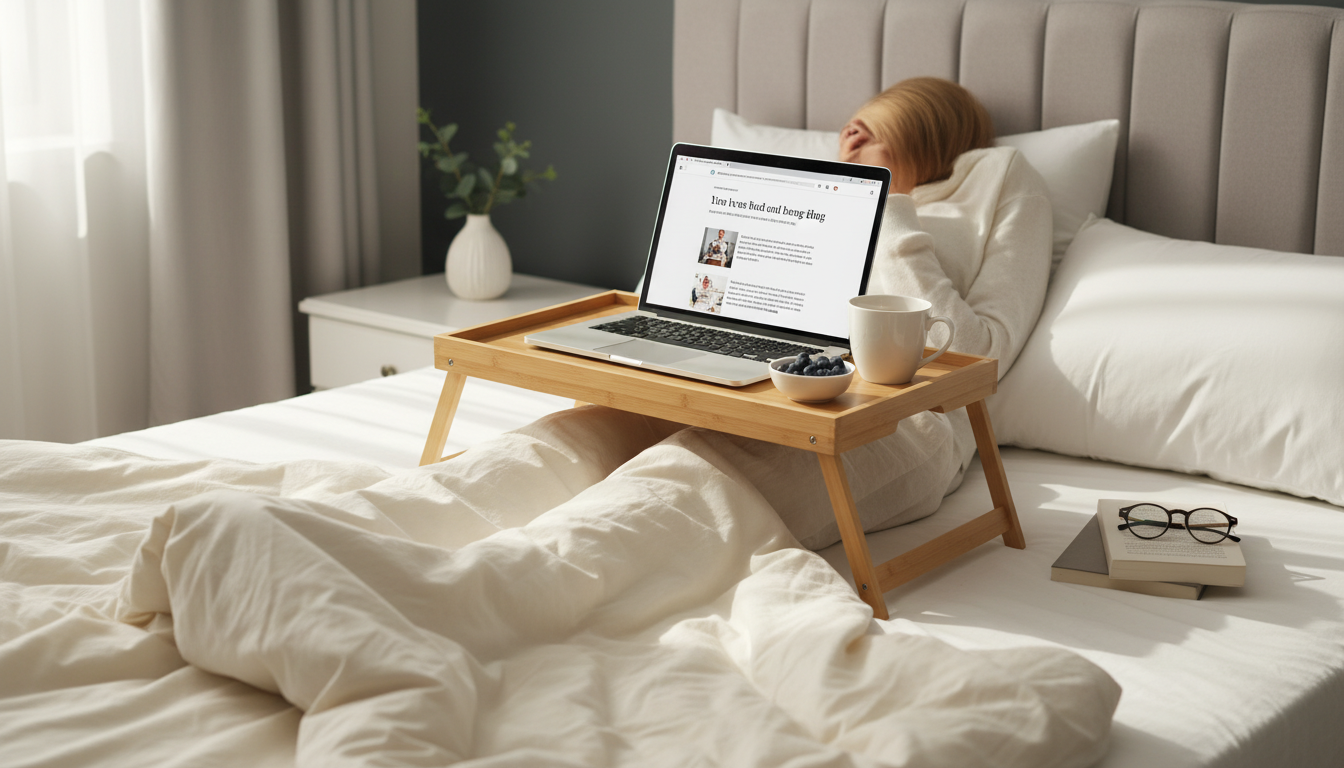
Bamboo Breakfast Tray with Folding Legs: An Easy Upgrade for Bed, Sofa, and Laptop Time
A folding bamboo tray can make daily routines smoother—whether that’s breakfast in bed, a movie-night snack on the sofa, or a steadier surface for a laptop. Bamboo is lightweight, naturally attractive, and generally simple to maintain, which is why it shows up in so many home essentials. If you want a tray that feels stable (not flimsy), stores neatly, and stays looking clean, the details—leg design, finish, and fit—matter.
Bamboo itself is a fast-growing woody grass often highlighted in sustainability conversations; for background on the plant, see the USDA Forest Service overview. For food and drink use, it’s also worth remembering that surfaces and coatings vary; for general information on food-contact materials, the FDA’s Food Contact Substances resource is a helpful reference point.
What This Folding Bamboo Tray Does Well
- Creates a stable surface for meals, drinks, books, or a laptop while sitting or reclining.
- Folding legs let it store flat and set up quickly for bed, sofa, floor seating, or a low-table moment.
- Bamboo surface is lightweight, warm-looking, and generally easy to wipe clean.
- Works as a multipurpose piece: breakfast tray, serving tray, lap desk, or craft station.
Comfort and Fit: Bed vs. Sofa vs. Lap
Using a tray on a bed
On bedding, stability is the main challenge. Look for enough height to clear a comforter without wobbling, and a leg design that helps keep the tray from sinking into softer layers. A flatter, wider leg footprint tends to feel steadier on a duvet than narrow legs with small contact points.
Using a tray on a sofa
Sofa cushions compress and can tilt the tray, especially across seams. Position the legs on firmer cushion areas and avoid setting the tray so one leg is on a ridge while the other is in a dip. If the tray has adjustable height or angle options, keep it flatter for drinks and steeper only for reading or typing.
Using a tray on your lap
For lap use, comfort comes down to width and edge shape. A tray that’s too narrow can dig into thighs, while sharp corners can become irritating during longer sessions. Rounded corners and a smooth, splinter-free finish are small features that make a big difference over time.
Laptop posture basics (without overcomplicating it)
A tray improves surface stability, but it doesn’t automatically fix ergonomics. Keep elbows supported when possible, avoid bending your neck too far down, and consider raising the screen height if you’re working longer than a quick email. If the tray supports angle/height changes, use them to reduce wrist extension and keep typing more neutral.
Key Features to Check Before Buying
- Leg mechanism: Hinges should open/close smoothly and feel secure when locked in place.
- Adjustability: Height or angle changes can be useful for typing, reading, drawing, or journaling.
- Edge design: Raised lips can help keep items from sliding; rounded corners feel better against legs.
- Surface finish: Sealed bamboo resists stains better and wipes clean more easily; prioritize a smooth finish.
- Load and stability: Think about real use (full plate + drink vs. laptop + notebook) and avoid designs that flex excessively.
- Extras: Cup holders, drawers, device slots, or handles can add convenience, but may reduce usable flat space.
Quick Comparison: Uses and Setup Tips
Small setup choices—leg position, where weight sits, and heat protection—make a tray feel dramatically more stable. Use the right leg position (or height setting) for the surface underneath, center heavier items, and protect the finish from hot mugs with a coaster.
| Use | Best Leg/Height Setup | Helpful Tip |
|---|---|---|
| Breakfast in bed | Legs fully open, stable on duvet | Keep liquids toward the center and use a coaster |
| Sofa snacks | Legs open, positioned on firmer cushion areas | Avoid placing the tray across uneven cushion seams |
| Laptop work | Adjust to keep wrists neutral and screen higher | Pair with an external mouse if possible for comfort |
| Reading or journaling | Slight angle if available | Use a clip or book stand to prevent sliding |
| Serving guests | Legs folded for carry (if comfortable) or open for set-down | Check clearance in tight spaces before walking |
Care and Cleaning for Bamboo
Everyday Ideas Beyond Breakfast
Featured Picks In Stock
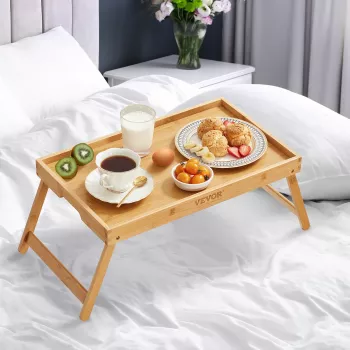
- Bamboo Breakfast Tray with Folding Legs for Sofa Bed, Adjustable Serving Laptop Desk ($29.82)
- Modern Nightstand with Storage – 2 Fabric Drawers, Wood Top, Steel Frame ($26.51) — a good complement when you want a dedicated bedside surface plus storage.
Bamboo Breakfast Tray with Folding Legs for Sofa Bed, Adjustable Serving Laptop Desk
FAQ
Can a folding bamboo breakfast tray hold a laptop safely?
Yes, as long as the legs lock securely, the surface is large enough for the laptop’s footprint, and the weight stays centered to prevent tipping. For best stability, use it on a firmer surface (or a flatter section of a sofa cushion) and make sure laptop vents aren’t blocked to reduce heat buildup.
How do you clean and protect a bamboo tray used for food and drinks?
Wipe it with a soft damp cloth, use mild dish soap for residue, and dry it right away to avoid swelling or warping. Coasters help prevent heat marks and rings, and any oiling or conditioning should follow the tray’s finish-specific care guidance.
Will folding legs damage a sofa cushion or duvet?
They usually won’t, but narrow legs can create pressure points on soft cushions or thick bedding. Placing the legs on firmer areas, avoiding cushion seams, and using a thin mat or cloth underneath can help distribute weight and reduce indentations.















Leave a comment