High-Foot Anti-Tip Ceramic Pet Bowl: Less Spills
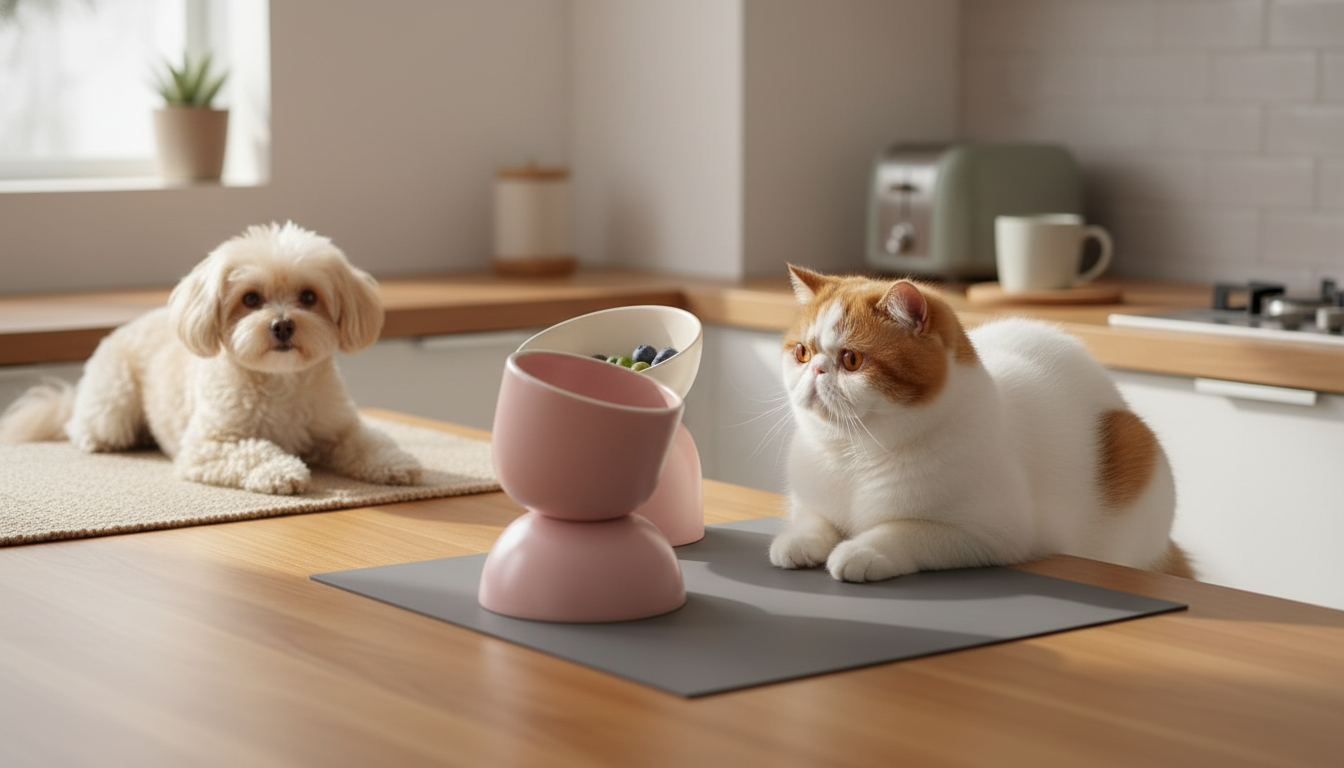
High Foot Anti-Tip Ceramic Pet Bowl for Cats & Small Dogs
A raised, stable bowl can make daily meals neater and more comfortable—especially for small pets that tend to push bowls around or spill water. An elevated anti-tip ceramic bowl is designed to stay put, keep food closer to mouth level, and reduce the “skid-and-spill” routine that can happen on tile, hardwood, or laminate. Below is a practical guide to what this style of bowl helps with, what to look for in the design, and how to set it up for easy feeding and cleanup.
What an Elevated Anti-Tip Bowl Helps With
Many cats and small dogs eat with enthusiasm—nudging the bowl, pawing at water, or pushing it along the floor as they go. A raised, anti-tip bowl can improve the everyday feeding experience in a few straightforward ways:
- Reduces sliding and flipping during enthusiastic eating or pawing at water.
- Keeps kibble and water closer to mouth level for many cats and small dogs.
- Helps keep feeding areas cleaner by limiting spills and scattered food.
- Adds weight and stability compared with many lightweight bowls.
For homes with hard flooring, stability often matters more than you’d expect. A heavier, well-balanced bowl can prevent the “chase the dish” problem and cut down on daily wipe-downs.
Ceramic Bowl Benefits for Everyday Feeding
Ceramic is a popular choice for pet bowls because it combines weight, a smooth eating surface, and an easy-to-clean finish when properly glazed. For daily routines, the benefits tend to show up quickly:
- Heavier material can feel more planted on the floor, improving stability.
- Non-porous glazed ceramic is typically easy to wipe clean and can resist lingering odors compared with some plastics.
- Suitable for wet food and water; helps avoid the “tipped bowl” mess on hard floors.
- A clean, minimal look that fits kitchens and feeding corners without appearing utilitarian.
If wet food is part of the routine, a bowl that cleans up easily matters for both convenience and hygiene. For general food handling and safety practices, resources from the FDA and hygiene guidance from the CDC can be helpful references.
Sizing and Setup for Cats and Small Dogs
Even a stable bowl can spill if it’s overfilled or placed on an uneven surface. A few setup details make a noticeable difference:
- Pick a bowl capacity that matches meal size to avoid overfilling and spills.
- Place the bowl on a level surface; uneven floors can reduce anti-tip performance.
- For water bowls, keep a small mat underneath to catch drips from drinking rather than tipping.
- If a pet is new to an elevated bowl, introduce it gradually alongside the existing bowl for a few days.
Quick fit guide for raised bowls (general)
| Pet type | Typical use | What to look for | Notes |
|---|---|---|---|
| Adult cats | Wet food and kibble | Stable base and comfortable bowl height | Consider wider bowl shapes if a cat seems sensitive to whisker contact. |
| Kittens | Small portions, frequent meals | Easy-to-clean surface and shallow fill level | Keep servings small to prevent spills during playful eating. |
| Small dogs | Kibble and water | Anti-tip weight and non-slip contact | If a dog is a fast eater, stability matters more than height alone. |
| Senior cats/small dogs | Comfort-focused feeding | Raised height plus easy access to food | Monitor posture and adjust placement if the pet strains to reach. |
Anti-Tip Design Details That Matter
Not all “anti-tip” bowls behave the same on real floors. These are the design details that tend to separate a bowl that truly stays put from one that still skates around:
- Base width: A wider footprint generally resists tipping better than a narrow pedestal.
- Weight: Heavier bowls are harder to shove, especially on tile or hardwood.
- Bottom contact: A flat, even base helps prevent rocking; consider using a thin mat if floors are slick.
- Bowl rim: A smooth rim is easier to clean and more comfortable for daily use.
For pets that paw at the water, “anti-tip” helps most when the bowl is both heavy and wide. If the bowl is tall but narrow, it may still wobble when bumped from the side.
Cleaning, Food Safety, and Care
Daily care is simple, but it’s also where ceramic bowls shine: a smooth glazed surface typically cleans without much scrubbing. Keep feeding gear in good condition with a few habits:
For broader pet care guidance beyond bowls and feeding stations, the American Veterinary Medical Association (AVMA) offers reputable pet owner resources.
When This Bowl Is a Good Match
Product Options
- High Foot Anti-Tip Ceramic Pet Bowl for Cats & Small Dogs: an elevated ceramic bowl designed to stay put and keep feeding more comfortable and less messy. Check current price, availability, and images on the product page before ordering.
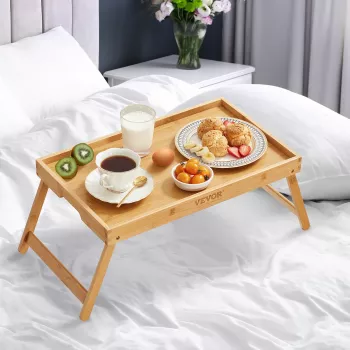
- Bamboo Breakfast Tray with Folding Legs for Sofa Bed, Adjustable Serving Laptop Desk: a handy household tray that can also function as a portable surface for placing a pet bowl in a consistent, easy-to-clean spot (especially helpful in temporary setups or when protecting floors).
FAQ
Is a raised bowl better for cats and small dogs?
Raised bowls are comfortable for many cats and small dogs and can help reduce mess by keeping food and water at a more natural reach. The ideal height depends on the pet’s size and posture, so watch for easy swallowing and a relaxed stance during meals.
Are ceramic pet bowls safe?
Properly made, intact glazed ceramic bowls are commonly used for pets and are generally considered a safe option. Keep them clean and discard any bowl with chips or cracks, since damage can trap bacteria and make thorough cleaning difficult.
How often should pet bowls be washed?
Wash bowls used for wet food daily, and clean water and dry food bowls frequently to prevent buildup, odors, and residue. Regular washing also helps support good household hygiene around feeding areas.










Leave a comment