Pet Sweater Sizing: Between Two Sizes? Choose Right
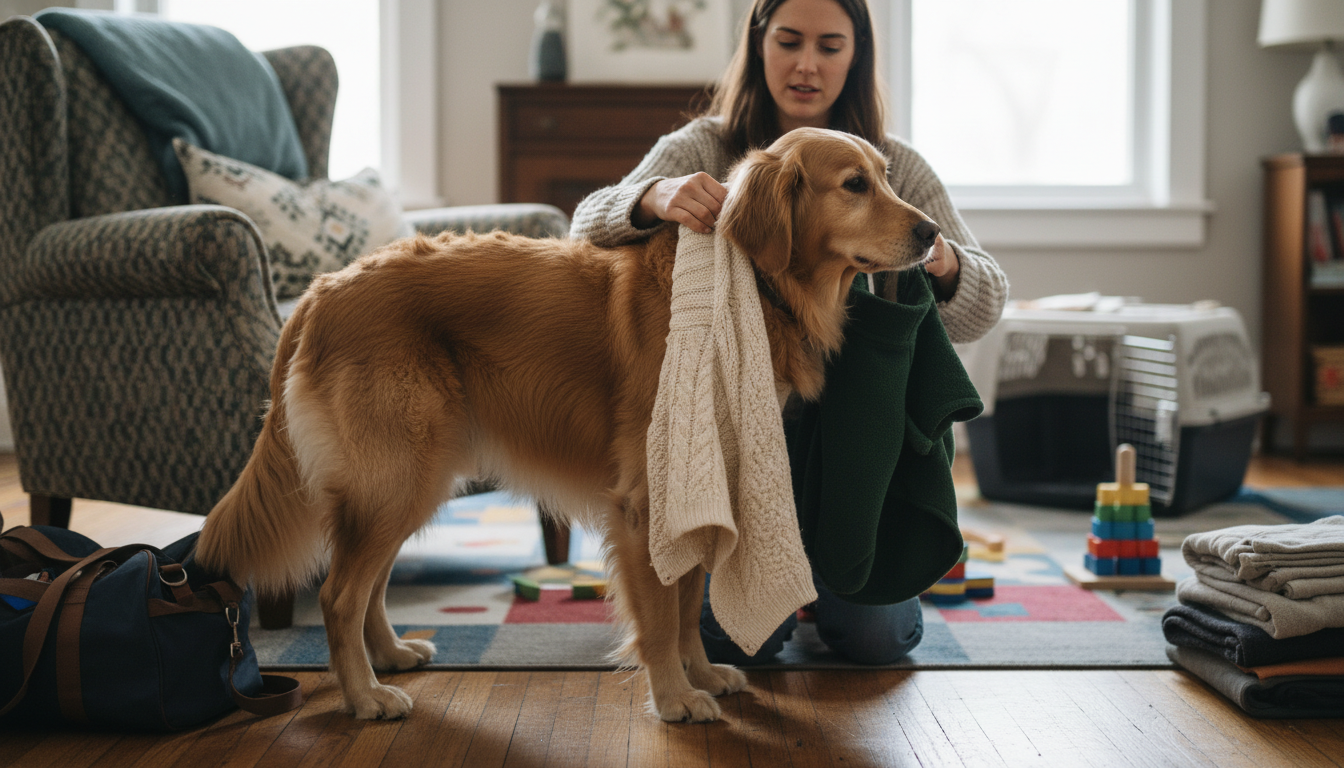
What size should I choose if my pet is between two sweater sizes?
If your pet lands between two sweater sizes, the best choice usually depends on fit style and coat type: size up for comfort and layering, or size down only when the larger size will clearly be too loose in key areas (neck and chest). Most pets are happier in a slightly roomier sweater than one that pinches or restricts movement.
How to decide between the smaller or larger size
Start with the chest measurement
Your pet’s chest (girth) is the most important number because it’s the widest part and the hardest area to “make work” if it’s too tight. If the chest measurement falls between sizes, choose the larger size to prevent rubbing under the legs and to keep the sweater from riding up.
Check the neck and length next
If the chest fits but your pet’s neck is smaller, a slightly loose neck is usually manageable, especially with ribbed collars. For back length, a bit longer is typically fine, but if the larger size will cover the tail base or bunch up when your pet sits, consider the smaller size—only if the chest still has comfortable room.
Consider coat thickness and layering
Fluffy or double-coated pets often need extra space to avoid compressing the coat and trapping moisture. If you plan to layer a harness or shirt underneath, sizing up prevents tightness across the shoulders and helps your pet move naturally.
Look at your pet’s body shape
Broad-chested breeds and “barrel” bodies nearly always do better sizing up. Slim, narrow pets can sometimes size down if the larger size hangs or twists, but avoid a snug fit that restricts the front legs or pulls at the armpits.
Do a quick comfort check after trying it on
A good fit lets you slide two fingers comfortably under the sweater at the chest and neck. Watch for signs of tightness (short steps, freezing, pulling at the sweater) or looseness (twisting, slipping off the shoulders). For more detailed tips and measuring guidance, visit the main guide here.
FAQ
How do I measure my pet for a sweater?
Use a soft measuring tape to measure the chest at its widest point, the neck where a collar sits, and the back length from the base of the neck to the base of the tail. Measure while your pet is standing, and avoid pulling the tape tight.












Leave a comment