80 PSI Mini Bike Pump: Dual Valve + Roadside Tool Kit
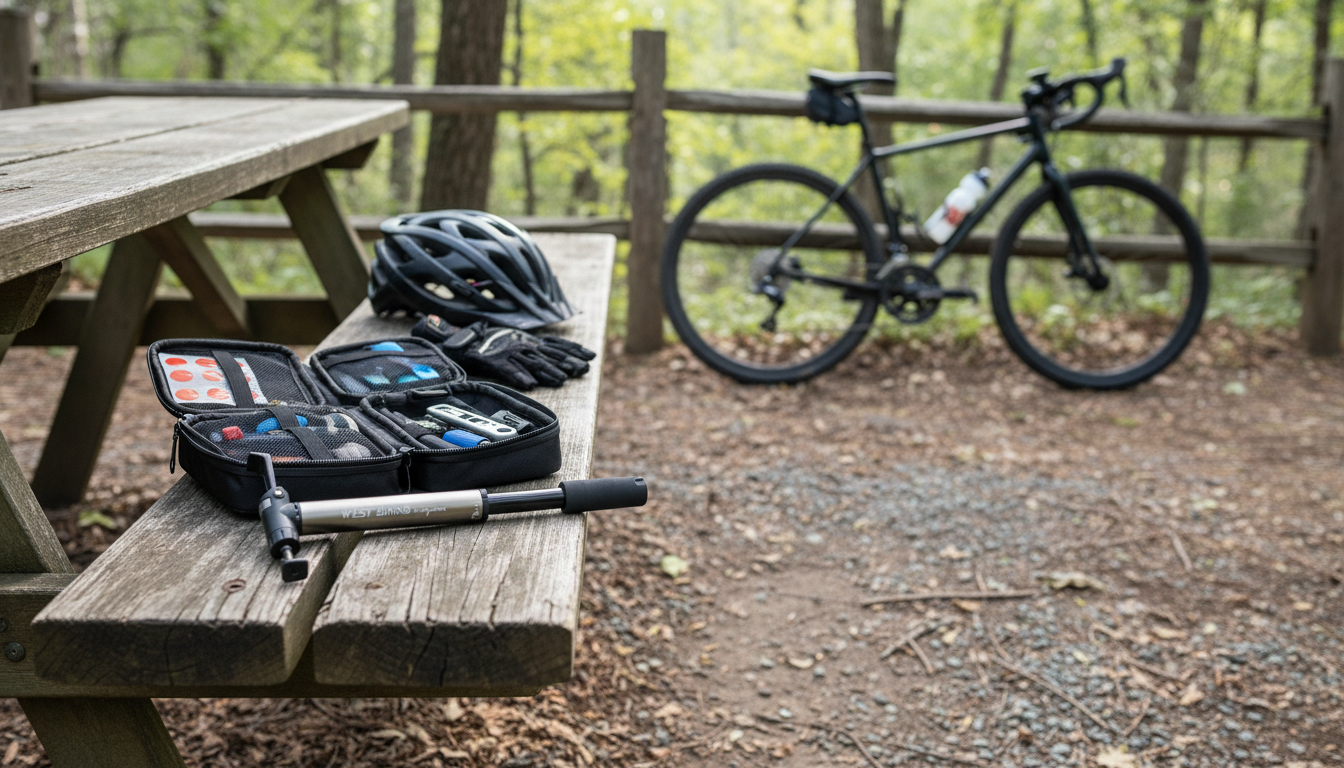
80 PSI Portable Bike Pump with Dual Valve & Tool Kit: A Practical Flat-Fix Companion
A compact hand pump that covers the most common bike valve types and includes a small tool kit can turn a flat-tire moment into a quick roadside fix. This guide breaks down what an 80 PSI portable pump is best for, how the dual valve head works, and how to use the included tools to get back on the road or trail. For more guidance, see Group test: Choose the best portable cycle pumps.
What This Pump Is Built To Do
An 80 PSI portable bike pump is designed around one goal: keep you moving when air pressure becomes the problem. For many riders, that means enough pressure to safely finish a commute, wrap up a weekend loop, or get back to the trailhead without a long walk. For further reading, see Micro Pump Recommendations – Cycling UK Forum.
- Delivers up to 80 PSI for common bicycle tire pressure ranges, especially typical city, hybrid, and many mountain bike setups.
- Designed for on-bike or in-bag carry to handle flats, slow leaks, and pressure top-offs.
- Dual valve compatibility helps avoid adapters when switching between bikes with different valve types.
- Tool kit support for quick adjustments that often accompany flat repair (tightening, alignment, or minor fixes).
If you’re looking for a compact option that checks those boxes, the 80 PSI Portable Bike Pump with Dual Valve & Tool Kit is built for exactly that kind of everyday readiness.
Dual Valve Compatibility: How It Helps On Real Rides
Valve mismatch is a surprisingly common reason riders can’t inflate a tire when they need to. Dual valve compatibility solves that by supporting the most common standards (typically Presta and Schrader), letting one pump cover a household’s bikes, a mixed group ride, or a borrowed bike in a pinch.
- Works with common valve standards (typically Presta and Schrader) so the same pump can serve road bikes, many hybrids, and most kids’ bikes.
- Reduces the chance of being stuck with the wrong pump head when borrowing a bike or riding in a mixed group.
- Helpful for households with multiple bikes using different valves.
- Tip: confirm the valve type on the wheel before attaching; avoid forcing the head onto the valve threads.
For a quick reference on how these valves differ, see background notes on Presta valves and Schrader valves.
Common bike valve types and where they’re usually found
| Valve type | Typical bikes | How to recognize it | Notes for pumping |
|---|---|---|---|
| Presta | Road, many gravel, some MTB | Slim metal stem; locknut at the tip | Open the small tip nut before pumping; close after inflation |
| Schrader | Kids, commuter, many MTB | Wider stem like a car tire valve | No tip nut; press-on/lock head and inflate |
Pressure, Speed, and Comfort: Making 80 PSI Work For You
“Up to 80 PSI” tells you the upper ceiling, but the road feel you get depends just as much on tire volume and how patient you want to be on the shoulder of the road.
- Higher-pressure capability is useful for riders who run firmer tires, but real-world ease depends on tire volume (wider tires take more strokes).
- For large-volume mountain tires, the pump is best for getting you rolling again; fine-tuning at home with a floor pump is faster.
- For narrower commuter or road tires, 80 PSI can be enough for a solid ride feel after a puncture repair.
- Aim for a safe, rideable pressure rather than chasing the exact number during a roadside stop.
A helpful mental model: small mini pumps are “mobility tools,” not “perfect-pressure tools.” They’re great at getting you back to a stable, non-squirmy tire. If you want a deeper overview of tire construction and why pressure matters, a general reference on bicycle tires provides useful context.
How to Use It: Quick Steps for a Roadside Top-Off
When time is tight, the simplest routine is the one that prevents valve damage and gets the bead seated properly. Do a practice run at home once, and the roadside version becomes much smoother.
Tool Kit Basics: What It’s Good For During Flat Fixes
When This Pump Is a Strong Fit (and When to Consider Alternatives)
Care and Storage Tips for Longer Service Life
In-Stock Picks
- 80 PSI Portable Bike Pump with Dual Valve & Tool Kit
- Modern Nightstand with Storage – 2 Fabric Drawers, Wood Top, Steel Frame
- Bamboo Breakfast Tray with Folding Legs for Sofa Bed, Adjustable Serving Laptop Desk
FAQ
Will this pump work with both Presta and Schrader valves?
Yes—dual valve compatibility is designed to fit common Presta and Schrader valves. Identify the valve on your wheel before attaching, and for Presta be sure to loosen the small tip nut before inflating.
Is 80 PSI enough to finish a ride after a flat?
For many commuter, hybrid, and some road setups, 80 PSI is typically enough to reach a safe, rideable pressure to finish the ride. Wider, higher-volume tires may take more strokes and may feel best after a final top-off later with a floor pump.
How can a portable tool kit help during a flat repair?
A tool kit helps with quick fixes that often pop up during a tube change, like adjusting a brake that rubs after wheel removal or tightening bolts near the axle or accessories. Paired with a tube or patch kit, it makes roadside repairs more complete and less frustrating.















Leave a comment