Choosing a Cat Tree for Indoor Cats: Size, Setup, Safety
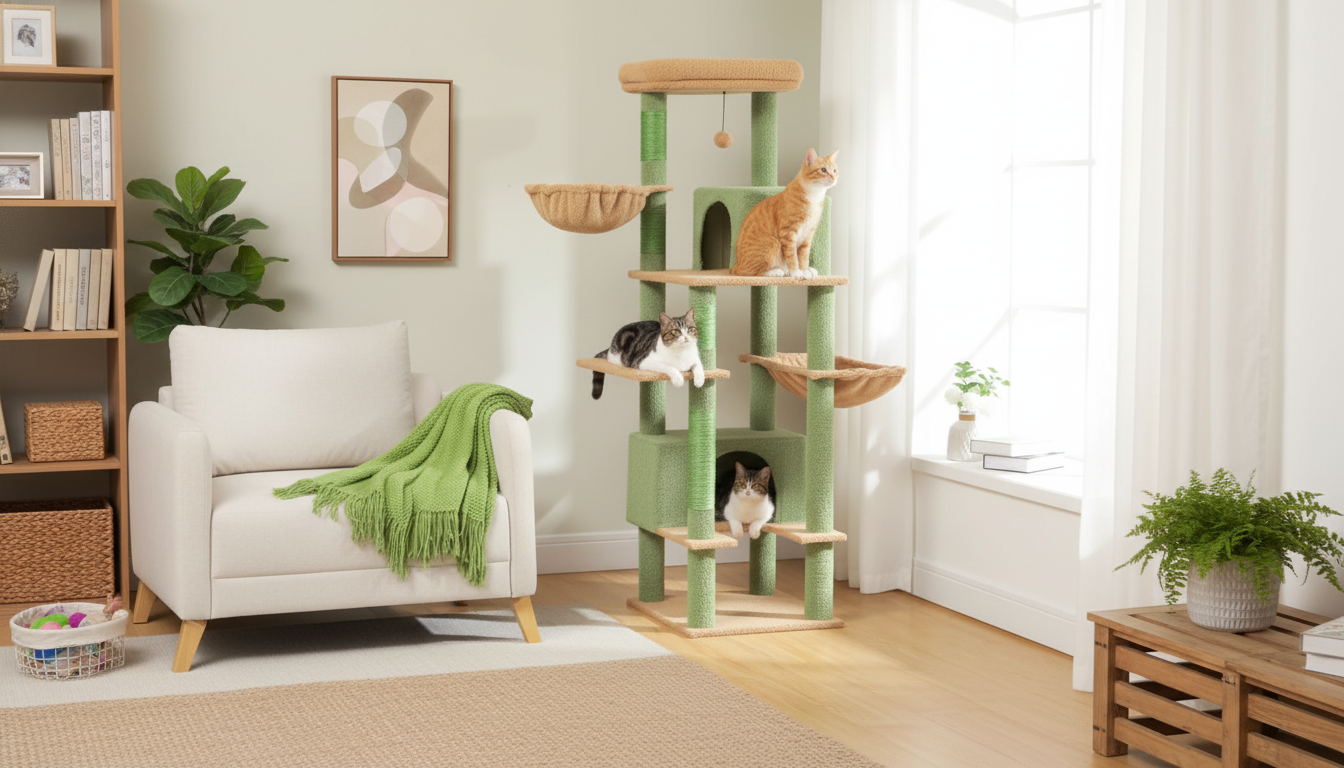
Cat Trees for Indoor Cats: Comfort, Climbing, and Calm in One Space
Indoor cats thrive when the home offers chances to climb, scratch, perch, and retreat. A well-chosen cat tree can turn unused vertical space into a daily routine of exercise and relaxation, while also protecting furniture by giving scratching an appropriate outlet. The right setup balances stability, scratching surfaces, and cozy rest areas—especially important for multi-cat homes, kittens with endless energy, or older cats who prefer easy-to-reach lounging spots. Below is a practical guide to choosing a cat tree that fits your space and your cat’s habits, plus tips on placement, maintenance, and safety.
Why a Cat Tree Matters for Indoor Cats
A cat tree is more than a “nice-to-have” piece of pet furniture. For many indoor cats, it becomes a daily base camp for movement, comfort, and decompression.
- Supports natural behaviors: climbing, perching, scratching, and observing from a safe height all match how cats prefer to interact with their environment.
- Adds vertical territory: more “up space” can reduce tension in multi-cat homes by increasing usable territory without adding floor clutter.
- Encourages movement and play: hopping between levels and stretching on scratch posts builds activity into the day, especially alongside short interactive play sessions.
- Creates predictable rest zones: a regular perch or cubby can help anxious or easily startled cats feel secure and less “on edge.”
- Redirects scratching: sturdy, rewarding scratch posts can pull attention away from sofas and rugs—especially if the tree is placed where the cat already likes to scratch.
For a deeper look at indoor enrichment needs, see guidance from the American Association of Feline Practitioners (AAFP) and practical environmental tips from International Cat Care.
Key Features to Look For
Cat trees vary widely in quality. Focusing on a few fundamentals helps you avoid wobbly towers, ignored platforms, and scratch posts that wear out too fast.
- Stability first: look for a wide, heavy base and thick posts that reduce wobble. Taller towers should still feel solid when pushed lightly.
- Scratch-friendly materials: sisal-wrapped posts are durable and satisfying; multiple posts at different heights let cats choose a comfortable scratching posture.
- Right height and layout: vertical climbers tend to prefer taller structures with several tiers; loungers prefer broad platforms and hammocks; seniors often do best with smaller step-ups between levels.
- Perches and hideaways: one open perch for lookout time plus one enclosed cubby for privacy suits many cats (and helps in multi-cat households).
- Surface comfort: plush or padded platforms can increase use; removable cushions make routine cleaning easier.
- Space fit: measure ceiling height, floor area, and nearby clearance so your cat can jump without bumping shelves or walls.
Quick Match: Cat Personality to Cat Tree Features
| Cat type | Best-fit features | Avoid if possible |
|---|---|---|
| High-energy climber | Taller height, multiple tiers, strong vertical posts, dangling toys | Narrow base, thin posts, few stepping platforms |
| Shy or anxious cat | Enclosed cubby, covered perch, quiet corner placement, soft bedding | High-traffic placement, only open platforms |
| Multi-cat home | More than one perch level, separate lounging zones, multiple scratch posts | Single perch at the top with one access route |
| Senior cat | Lower steps, wide platforms, sturdy ramp-like spacing, easy-grip surfaces | Large gaps between tiers, very tall top-only lounging |
| Heavy/large cat | Extra-wide base, thicker posts, roomy platforms and cubbies | Small hammocks, narrow perches, lightweight frames |
Sizing, Placement, and Setup Tips
Even a great cat tree can be ignored if it’s placed in the wrong spot or feels awkward to reach. Small setup choices can dramatically increase adoption.
Safety and Maintenance
For additional behavior and care resources, the ASPCA cat care library is a helpful reference.
A Solid Option to Consider: Large Cat Tree for Indoor Cats
If your goal is a single “home base” that supports both activity and downtime, a multi-level tower can work especially well in apartments and shared living rooms. The Large Cat Tree for Indoor Cats is designed to give indoor cats a dedicated vertical zone for climbing, lounging, scratching, and quick play breaks throughout the day.
For extra coziness in cooler months—especially for cats who like warm naps after a climb—consider comfortable indoor wear like the Winter Luxury Striped Pet Jumpsuit as part of a calm, temperature-friendly routine.
FAQ
Where should a cat tree be placed indoors?
Place it where your cat already likes to spend time—often near a window for viewing or in a social room with stable flooring. Keep it away from hazards like heaters and unstable shelves, and in multi-cat homes aim for a spot with more than one approach route so one cat can’t easily block access.
How tall should a cat tree be for an indoor cat?
Match height to your cat’s style and mobility: climbers usually enjoy taller trees with multiple tiers, while seniors often do best with lower platforms and smaller step-ups. Prioritize stability and make sure there’s enough ceiling and wall clearance for safe jumping.
How do you get a cat to use a new cat tree?
Introduce it gradually by placing treats, toys, or familiar bedding on the platforms and rewarding any investigation. Catnip can help if your cat responds to it, but avoid forcing interaction—most cats warm up faster when they can explore on their own terms.















Leave a comment