Sporty, Comfortable New Balance Women’s Black Sneakers
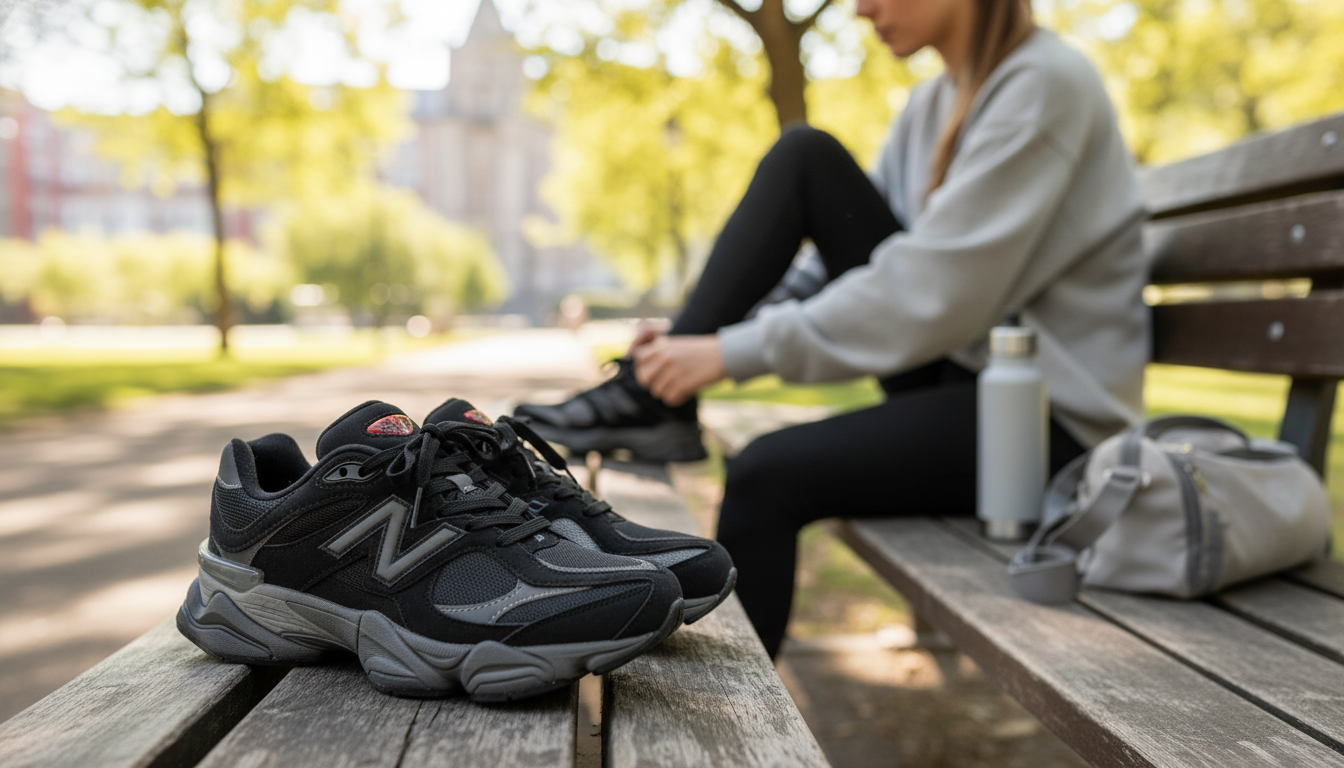
New Balance Women’s Black Sneakers: Sporty Comfort for Everyday Wear
A pair of black sneakers that feels good from the first step can simplify busy days—walks, errands, commuting, and light workouts. The right details matter: balanced cushioning, steady midfoot support, and a fit that doesn’t pinch or rub. Below is a practical guide to comfort features to look for, how to dial in sizing at home, and simple styling and care tips so sporty women’s sneakers stay supportive and sharp-looking.
What Makes a Sporty Sneaker Feel Comfortable
Comfort isn’t just “soft.” A truly wearable sneaker combines impact protection with stability and a fit that stays consistent as your feet warm up throughout the day.
- Cushioning that matches your day: Softer foam can feel great for long walks or lots of standing, while slightly firmer cushioning can feel more stable if you make quick direction changes.
- Support under the arch and through the midfoot: A secure midfoot helps reduce fatigue and can prevent the foot from sliding forward—especially on downhill steps or stairs.
- Heel comfort and stability: A padded collar plus a structured heel counter can limit rubbing while helping keep the heel aligned.
- Breathability and lining: Mesh or perforations help manage heat; smooth linings help reduce hot spots during longer wear.
- Flex and toe room: The forefoot should bend where your toes naturally flex, with enough width to avoid pressure on the big toe joint.
Comfort & Fit Checklist (Quick Reference)
| Feature | What to check | Why it matters |
|---|---|---|
| Toe box | Thumb’s width in front of the longest toe; no side pinching | Helps prevent blisters and pressure points during walking |
| Midfoot hold | Laces tighten evenly; foot doesn’t slide forward on downhill steps | Improves stability and reduces toe bang |
| Heel fit | Minimal heel lift; collar feels padded but not tight | Reduces rubbing and helps keep stride consistent |
| Cushioning | Comfortable under the heel and ball of foot without feeling “mushy” | Balances impact reduction with control |
| Outsole grip | Rubber coverage in high-wear zones; traction pattern looks substantial | Helps prevent slips and extends wear |
Highlights of New Balance Women’s Black Sneakers (Sporty & Comfortable)
Black sporty sneakers are a workhorse: easy to style, forgiving in messy weather, and practical for repeat wear. A supportive design can make the difference between “fine for an hour” and “still comfortable after a full day.”
- Versatile black colorway: Pairs easily with athleisure, denim, or casual work outfits where sneakers fit the dress code.
- Built for repeat wear: A supportive feel that stays comfortable from morning errands to evening walks is key for everyday use.
- Sporty profile: Works for light training, travel days, and daily steps without needing multiple pairs of shoes.
- Best-use scenarios: Commuting, all-day standing, casual gym sessions, treadmill walking, and weekend city exploring.
If you’re shopping for a pair designed around sporty comfort and everyday versatility, consider New Balance Women’s Black Sneakers – Sporty & Comfortable.
How to Get the Right Size and Fit at Home
A great sneaker can feel “off” if the size or lacing is slightly wrong. A few quick checks at home can prevent the most common comfort issues.
- Measure at the end of the day: Feet often swell slightly, so later measurements can help avoid buying too small.
- Use the socks you’ll actually wear: No-show socks vs. cushioned athletic socks can noticeably change volume and heel grip.
- Check length, then width: Aim for a thumb’s width in front of the longest toe; the forefoot should feel secure without squeezing.
- Test for heel slip: A tiny bit can happen at first, but persistent lift often means you need a lacing tweak, different sock thickness, or a different width.
- Lacing adjustments: Try a runner’s loop (heel lock) for better heel security, or skip an eyelet over sensitive spots on the top of the foot.
For a more exact match across sizes, the New Balance size guide is a helpful reference when you’re between sizes or comparing different shoe shapes.
Comfort Over Time: Break-In, Support, and When to Replace
Even comfortable sneakers change as materials flex and cushioning compresses. Paying attention to a few signals helps keep daily wear feeling consistent.
For general guidance on healthy footwear habits and comfort considerations, the American Podiatric Medical Association (APMA) offers practical foot-health tips.
Outfit Pairings for Black Sporty Sneakers
Care Tips to Keep Them Looking New
Regular, gentle maintenance helps black uppers stay deep in color and prevents dust and grime from becoming “permanent.” For broader foot-care and common foot-problem guidance, the NHS foot-care resources are a useful read—especially if discomfort keeps showing up even in supportive shoes.
More In-Stock Picks for Active Days
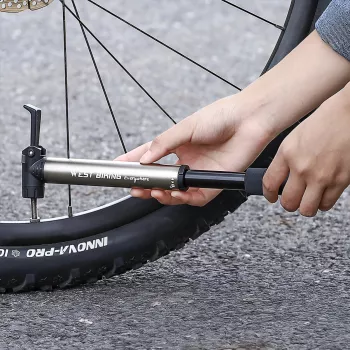
- 80 PSI Portable Bike Pump with Dual Valve & Tool Kit for quick tire top-offs before rides or commutes.
- Carbon Fiber–Style Steering Wheel Cover with Honeycomb Anti-Slip Grip for a steadier, more comfortable grip on drive-heavy days.
FAQ
Are these sneakers good for all-day walking and standing?
They can be, especially when cushioning feels supportive (not overly mushy), the midfoot feels secure, and the heel stays stable without rubbing. Make sure you have toe room and minimal heel slip to reduce fatigue over long hours.
How should women’s sneakers fit in the toe box?
Aim for about a thumb’s width in front of your longest toe with no pinching on the sides, and enough space for toes to move naturally. Since feet can swell during the day, checking fit later in the afternoon often gives a more accurate feel.
How can heel slip be fixed without changing size?
Try a heel-lock (runner’s loop) lacing method and adjust lace tension so the ankle feels secure without cutting off circulation. Switching sock thickness or adding a thin insole can also fine-tune fit when the slip is minor.














Leave a comment