1.6HP Dust Collector for Sandblasting Cabinets
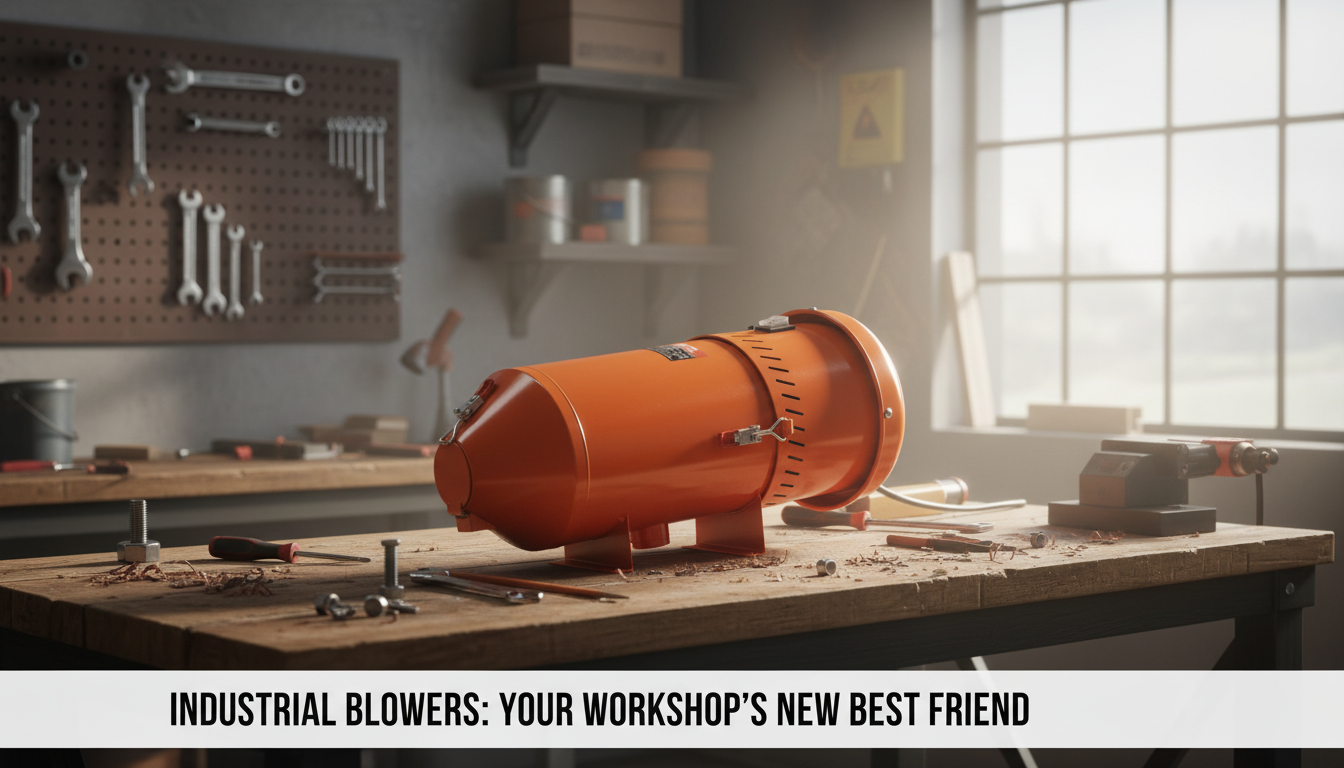
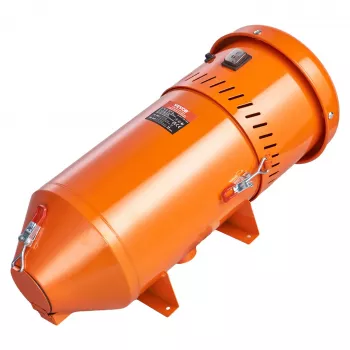
1.6HP Dust Collection System for Sandblasting Cabinets: Clearer Visibility, Cleaner Media, Safer Airflow
A dedicated dust collector helps a sandblasting cabinet stay clear, keep abrasive media usable longer, and reduce fine particulate escaping into the workspace. A 1.6HP-class unit is often the “sweet spot” upgrade when visibility drops fast, filters load quickly, and a shop-vac style setup can’t hold steady airflow. Below is a practical breakdown of what a cabinet dust collector does, how to match it to your cabinet, and how to install, operate, and maintain it for consistent performance.
What a dust collection system does inside a sandblasting cabinet
Sandblasting creates a constant storm of abrasive fines, coating dust, and broken-down media. A cabinet dust collector works by pulling dusty air out of the cabinet so fresh make-up air can enter in a controlled way.
- Pulls dusty air out of the cabinet to improve visibility through the viewing window.
- Helps keep abrasive media from turning to unusable powder as quickly by removing fines.
- Reduces dust leakage around door seals, glove ports, and seams by maintaining controlled airflow.
- Supports a cleaner work area when paired with proper cabinet sealing and exhaust routing.
- Improves consistency of blast pattern by stabilizing cabinet conditions and reducing haze.
Better visibility also supports safer operation by reducing the temptation to open the door early or blast “blind.” For broader safety context on abrasive blasting hazards and controls, review OSHA’s guidance here: OSHA Abrasive Blasting (Safety and Health Topics).
When a 1.6HP class collector is the right match
A 1.6HP-class dust collection system is typically a strong fit for small-to-mid size blasting cabinets that need steadier airflow than lighter-duty extraction can maintain. It’s especially helpful when the work generates heavy dust loads (rust, paint, scale) and the window fogs rapidly.
- Good fit for small-to-mid size cabinets that struggle with constant haze or rapid window fogging.
- Useful when blasting produces heavy dust load (rust, paint, scale) and frequent visibility loss.
- A practical upgrade when shop-vac style extraction clogs quickly or can’t sustain airflow.
- Especially helpful for longer blasting sessions where heat and dust buildup are noticeable.
- Best results when cabinet has intact seals and a proper intake path (make-up air) to balance suction.
Quick fit check for cabinet dust collection
| Cabinet/Use Case | What to Confirm | Why It Matters |
|---|---|---|
| Visibility drops within minutes | Extractor can sustain airflow without rapid filter clogging | Keeps the blast area clear and reduces downtime |
| Fine dust coats the window quickly | Air path pulls dust away from the viewing area | Improves line-of-sight and comfort |
| Media breaks down fast | Collector separates fines effectively | Extends media life and stabilizes cutting performance |
| Dust escapes around doors/gloves | Cabinet seals + controlled intake are in good shape | Reduces leaks and mess outside the cabinet |
| Long blasting sessions | Collector duty cycle and motor power are adequate | Avoids overheating and performance drop |
Key components to look for in a cabinet dust collector
If you’re planning airflow control as part of a bigger shop safety plan, it helps to understand why fine particulate matters. The EPA overview is a useful reference: EPA Particulate Matter (PM) Basics. For respirable dust context and exposure considerations, see: NIOSH Pocket Guide to Chemical Hazards.
Installation basics for steady airflow (without fighting your cabinet)
Daily operation tips for clearer windows and longer media life
Maintenance checklist and troubleshooting
Common problems and fast fixes
| Symptom | Likely Cause | What to Do First |
|---|---|---|
| Haze won’t clear | Loaded/clogged filter | Clean or replace filter; confirm filter is seated and sealed |
| Dust leaks from door edges | Worn gasket or too much uncontrolled intake | Replace/adjust seal; create a controlled intake path |
| Suction feels weak | Hose kink/blockage or long run | Straighten routing; remove blockage; shorten run if possible |
| Dust returns into workspace | Exhaust path recirculates or leaks | Re-route exhaust; check joints and clamps for leaks |
| Media degrades quickly | Too many fines and poor separation | Empty fines more often; verify filtration and collection are working properly |
Product option: 1.6HP Dust Collection System for Sandblasting Cabinets
If you’re upgrading from a setup that clogs quickly or can’t keep the window clear, a purpose-built unit is the most direct way to stabilize cabinet conditions. The 1.6HP Dust Collection System for Sandblasting Cabinets is designed to pair with sandblasting cabinets to improve visibility and dust control during blasting.
At-a-glance product details
| Item | Value |
|---|---|
| Product | 1.6HP Dust Collection System for Sandblasting Cabinets |
| Price | 124.47 USD |
| Availability | In stock |
| Product page | View product |
More in-stock items
- Scandinavian Modern Luxury TV Stand
- Luxury Transparent Glass Bird Cage for Outdoor & Home Decoration
FAQ
How do you size a dust collector for a sandblasting cabinet?
Start with cabinet volume and how quickly visibility drops during blasting, then account for airflow losses from hose length and bends. Sustained airflow under real filter loading matters more than a peak airflow number, since fine dust can restrict filters quickly.
Why does my sandblasting cabinet still get dusty even with a dust collector running?
The most common causes are a loaded filter (or filter bypass), air leaks at door/glove seals, a kinked or blocked hose, poor intake balance, or exhaust that recirculates dust back toward the cabinet. Diagnose in order: filter condition, hose routing, cabinet leaks, intake path, then motor/fan issues.
How often should filters be cleaned or replaced on a cabinet dust collector?
Filter frequency depends on how often you blast and what material you’re removing; heavy rust/paint work loads filters much faster than light cleaning. Replace or clean when you notice lingering haze, faster window dusting, or dust escaping at seals, and handle filters carefully to avoid releasing trapped fines.














Leave a comment