Design Your Dream Home eBook: Color, Layout & Decor
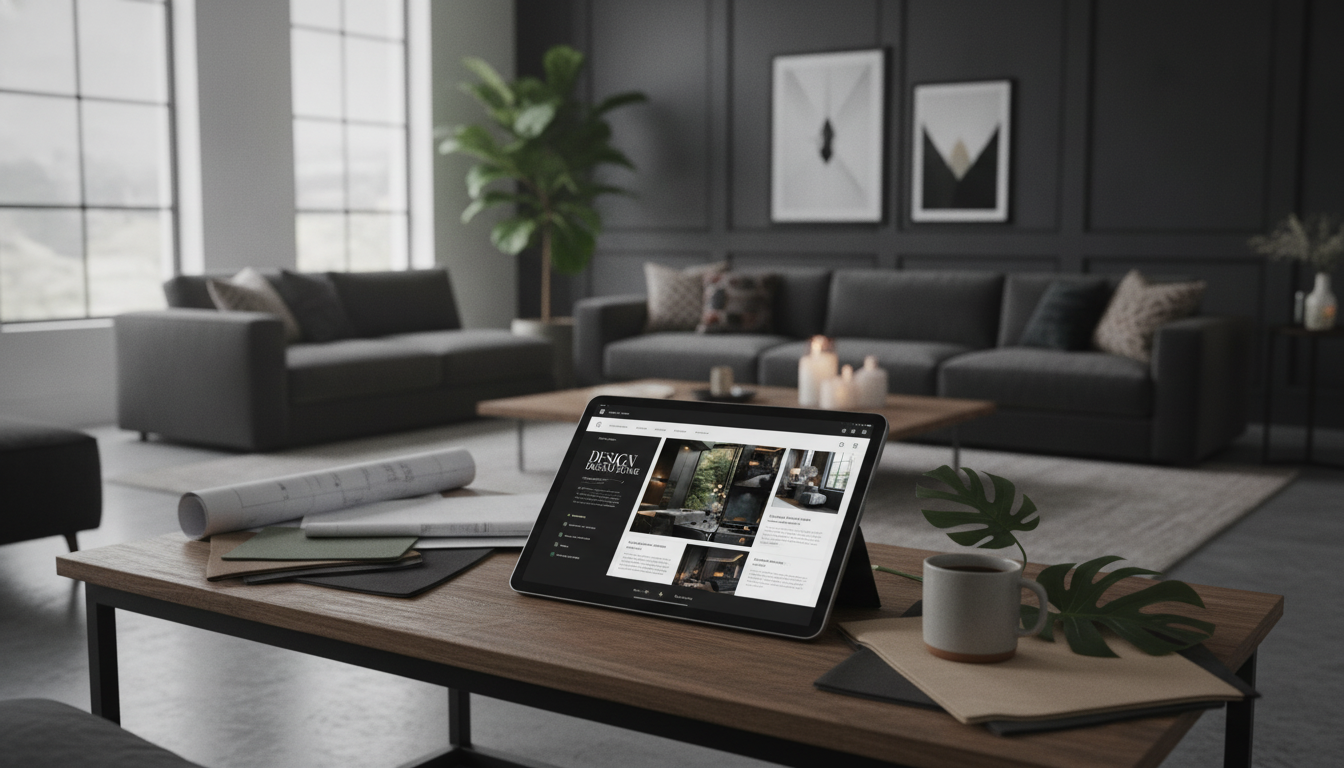
Design Your Dream Home: A Practical eBook for Color, Furniture, and Decor Decisions
A cohesive home doesn’t come from copying a single look—it comes from making clear choices about color, layout, and the pieces that support how everyday life actually works. The Design Your Dream Home eBook (digital download) walks through room-by-room decisions using approachable frameworks for color schemes, furniture placement, lighting layers, and finishing touches, so each space feels intentional without feeling rigid.
What This Digital eBook Helps Solve
- Turning scattered inspiration into a consistent direction for the whole home
- Choosing color schemes that work across rooms and different lighting conditions
- Picking furniture that fits the space and the routine, not just the style
- Layering decor so rooms feel finished without feeling cluttered
- Avoiding common layout and scale mistakes that make spaces feel “off”
A Simple Style Map: From Inspiration to a Cohesive Look
When decisions feel overwhelming, a “style map” creates a filter for what belongs—and what doesn’t. Instead of chasing a perfect label (modern, farmhouse, coastal), focus on repeating signals across images and on a few consistent material choices.
- Collect 10–20 reference images and note repeating elements (shapes, finishes, colors, mood)
- Choose 3–5 style descriptors (e.g., airy, warm, tailored, playful, minimal) to guide purchases
- Limit dominant materials to a small set (wood tone, metal finish, upholstery family) to reduce visual noise
- Define a “signature detail” per space (a statement light, patterned rug, or focal art) to anchor the room
Quick Style Map Worksheet
| Decision | Pick | Notes to Keep It Consistent |
|---|---|---|
| Overall mood | Warm / Cool / Neutral | Match bulb temperature and metal finishes to the mood |
| Main wood tone | Light / Medium / Dark | Repeat in 2–3 rooms for flow |
| Metal finish | Brass / Black / Chrome / Mixed | Mix only if there’s a clear ratio (e.g., 80/20) |
| Pattern level | Low / Medium / High | Keep one pattern family dominant (geom, floral, stripe) |
| Accent color | 1–2 accents | Repeat accents in textiles + one hard decor item |
Color Schemes That Hold Together from Room to Room
Good color planning starts with what can’t easily change: flooring undertones, countertops, large tile, and the direction of natural light. From there, a smaller palette repeated in smart ways makes the home feel connected, even if each room has its own personality.
- Start with a neutral base that suits fixed elements (floors, tile, countertops) before choosing accents
- Use a 60/30/10 balance: main color, secondary color, and a smaller accent for contrast
- Test paint with large swatches on multiple walls and check morning, afternoon, and evening light
- Create “color bridges” between rooms (shared undertone or repeated accent) for smoother transitions
- When in doubt: choose fewer colors, then increase texture (linen, boucle, rattan, wool) for depth
Color perception changes dramatically with lighting and surrounding surfaces; for deeper technical context, the CIE’s standards on color measurement are a helpful reference: CIE: Colorimetry (CIE 15).
Furniture Planning: Scale, Layout, and Comfort
Furniture is where “looks great online” can fall apart in real life. The most reliable shortcut is to measure, map the footprint, and confirm clear paths—then layer style choices on top of function.
- Measure first: wall lengths, window/door swings, radiator/vent locations, and pathway clearances
- Use painter’s tape to mark footprints on the floor to test spacing before buying
- Prioritize ergonomic comfort (seat depth, sofa height, dining chair support) alongside appearance
- Balance visual weight: pair bulky pieces with lighter silhouettes, leggy furniture, or open shelving
- Create zones in open plans using rugs, lighting, and furniture orientation instead of adding walls
Reliable Spacing Guidelines (Quick Reference)
| Area | Comfortable Guideline | Why It Matters |
|---|---|---|
| Main walkways | 30–36 in (76–91 cm) | Prevents cramped circulation |
| Coffee table to sofa | 14–18 in (36–46 cm) | Easy reach without bumping knees |
| Dining chair pull-back space | 24 in (61 cm) behind chair | Allows seating without collisions |
| Rug sizing (living room) | Front legs of seating on rug | Creates a unified seating area |
| Bedside clearance | 18–24 in (46–61 cm) minimum | Improves daily usability |
Decor That Looks Layered (Not Cluttered)
If a room feels visually busy, reduce the number of competing finishes. A single anchor piece with clean storage—like the Scandinavian Modern Luxury TV Stand—can quietly organize the whole living room by limiting what stays out and what stays tucked away.
Lighting and Finishing Touches That Change Everything
For practical guidance on efficient lighting choices, see the U.S. Department of Energy’s overview: Lighting Choices to Save You Money. For broader planning principles that support comfort and usability, the Whole Building Design Guide is a strong reference.
Digital Download: How It Fits into a Weekend Refresh or a Full Redesign
To keep momentum, pair the planning phase with one “anchor upgrade” that matches the plan. Along with furniture foundations, intentional lifestyle pieces can reduce visual improvisation—like the Luxury Plush Pet Cradle Bed—so everyday items look like they belong. For a lighter, sculptural decor accent that reads modern and airy, consider the Luxury Transparent Glass Bird Cage for Outdoor & Home Decoration.
FAQ
What file format is included in the digital download?
The digital download is provided as a PDF, making it easy to view on phones, tablets, and desktops. It can also be printed if you prefer a hard copy for notes and checklists.
How can a cohesive color scheme be created without repainting every room?
Choose one shared neutral that works with your fixed finishes, then repeat one accent color across multiple rooms through textiles and art. Focus on matching undertones and test samples in your actual lighting so transitions feel smooth.
What are the most common furniture layout mistakes in small rooms?
Common issues include oversized furniture, blocked pathways, rugs that are too small, and pushing everything against the walls. Quick fixes are to map clear walkways first and use properly sized rugs to define a seating zone.












Leave a comment