Rotating Robot End Table: Drawer + Glass Display
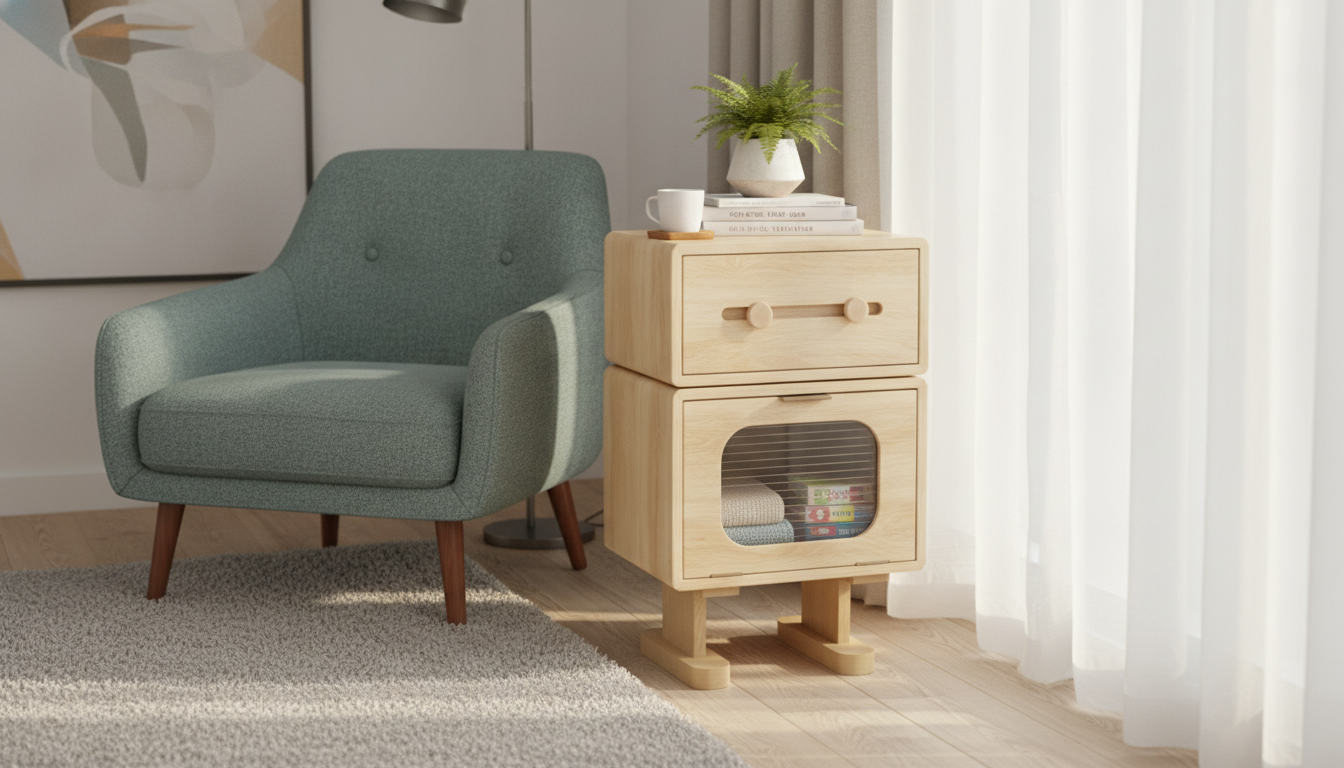
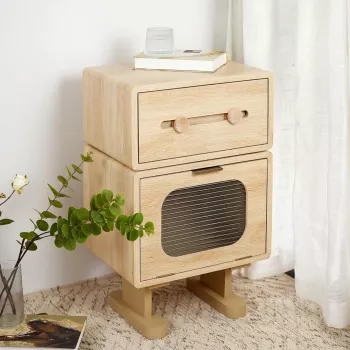
Rotatable Robot End Table with Drawer and Glass Cabinet for Modern Spaces
A sculptural end table can do more than hold a lamp—it can add movement, storage, and a glass-front display in one compact footprint. A rotatable, robot-style end table brings a playful architectural silhouette to modern rooms while staying genuinely useful: a drawer keeps daily essentials out of sight, and a glass cabinet turns favorite objects into a mini gallery. If you’re furnishing a contemporary living room, bedroom, or studio, this is the kind of accent piece that earns its floor space.
What Makes a Rotatable Robot End Table Different
- Rotation changes access, not just the look. Turning the body can reposition the cabinet opening and improve reach—without dragging furniture across the floor.
- A robot-inspired form reads like decor. Even when the top is clear, the sculptural profile adds personality to clean-lined spaces.
- Two storage styles in one. The drawer handles the “hide it” items, while the glass cabinet supports a curated “display it” moment.
- Multiple roles, same footprint. Use it as a side table, a nightstand alternative, or a compact bar/display stand depending on placement.
If you’re shopping specifically for this style, see the Rotatable Robot End Table with Drawer and Glass Cabinet for Modern Spaces for a ready-to-style option that blends storage with a statement shape.
Design Details That Fit Modern Interiors
- Plays well with modern, minimalist, Scandinavian, and eclectic rooms. The clean geometry pairs easily with simple seating while still acting as a focal point.
- Glass-front storage feels lighter. Compared with an all-solid cabinet, glass reduces visual weight—especially helpful in smaller rooms where bulky pieces can feel crowded.
- Style the top with restraint. A lamp plus a small tray (for a coaster or matches) keeps the surface intentional rather than busy.
- Curate the cabinet like a display case. Two to five items usually looks polished; too many pieces can read like clutter behind glass.
For an even more cohesive “gallery” feel, repeat materials across the room—glass accents, a hint of metallic hardware, or glossy finishes—so the end table looks integrated rather than isolated.
Rotation, Reach, and Day-to-Day Usability
- Rotation shines where clearance is tight. Next to a sofa arm, in a corner, or near a bed frame, turning the cabinet toward you can be easier than shifting the entire table.
- Turn it outward for hosting. During gatherings, rotate the opening toward guests for easy access to coasters or a bottle opener; rotate it inward afterward for a cleaner front view.
- Prioritize smooth, stable movement. A good rotating design should feel controlled; avoid placing heavy objects off-center that could make it feel imbalanced.
- Protect floors if you rotate often. On hardwood, a discreet pad or thin mat under the base area helps reduce scuffing during frequent repositioning.
Drawer Storage: What It’s Best For
Glass Cabinet Display: Styling and Practical Tips
Placement Ideas for Modern Spaces
Features to Check Before Buying
Quick Fit Checklist for a Rotating End Table
| Room setup | Common constraint | Helpful feature | What to measure |
|---|---|---|---|
| Sofa side | Limited space between sofa and wall | Rotating access to cabinet/drawer | Distance from sofa edge to wall and sofa arm height |
| Bedside | Nightstands feel crowded | Compact footprint with drawer storage | Mattress top height and walkway clearance |
| Corner placement | Awkward door swing or blocked opening | Ability to rotate opening toward the room | Corner-to-front clearance and rotation radius |
| Small studio | Visual clutter | Glass cabinet display + hidden drawer | Total available floor area and traffic path width |
Care, Cleaning, and Longevity
Safety Notes for Glass and Furniture Stability
- Keep heavy items low and centered. This reduces tipping risk, especially in homes with children or pets.
- Avoid top-heavy styling if you rotate often. Tall vases or unstable stacks can become hazards when the table moves.
- Protect glass edges. Impacts at corners and edges are the most common cause of damage; handle carefully during setup and cleaning.
- Follow general tip-over guidance. The U.S. Consumer Product Safety Commission has practical recommendations for reducing furniture tip-over risk: CPSC Tip-Over Prevention for Furniture and TVs.
For broader context on performance and safety expectations, the furniture industry commonly references ANSI/BIFMA standards and testing programs: ANSI/BIFMA standards overview.
Pairing Ideas: Coordinated Pieces for a Modern Room
- Balance sculptural and minimal. Pair a statement end table with a streamlined media piece like the Scandinavian Modern Luxury TV Stand to keep the room feeling intentional.
- Repeat materials across two or three items. If your end table features glass and glossy surfaces, echo that with nearby accessories—like a glass vase, metallic lamp, or polished tray.
- Plan a pet-friendly layout. Keep the display cabinet for decor while giving pets a dedicated comfort zone elsewhere, such as the Luxury Plush Pet Cradle Bed: Deluxe Fleece & Velvet Sofa for Dogs & Cats, so the styling stays intact.
FAQ
Does the rotating design work in tight spaces?
Yes—rotation can improve access when the table sits close to a wall, sofa arm, or bed frame because you can turn the opening toward you instead of pulling the whole piece out. Measure your clearance and confirm you have enough rotation radius for comfortable use.
What should go in the drawer vs. the glass cabinet?
Use the drawer for small daily essentials and anything that looks like clutter (remotes, chargers, coasters, notes). Reserve the glass cabinet for a curated display—items that look good from multiple angles—and add felt dots or a soft liner to prevent shifting and scratching.
How should glass cabinet furniture be cleaned safely?
Use a microfiber cloth with a non-abrasive glass cleaner, and avoid harsh scrub pads that can dull the finish. Follow the maker’s care guidance when available and protect edges and corners from impacts during cleaning.









Leave a comment