Vacuum Stress in Pets: Calm Dogs & Cats With Simple Steps
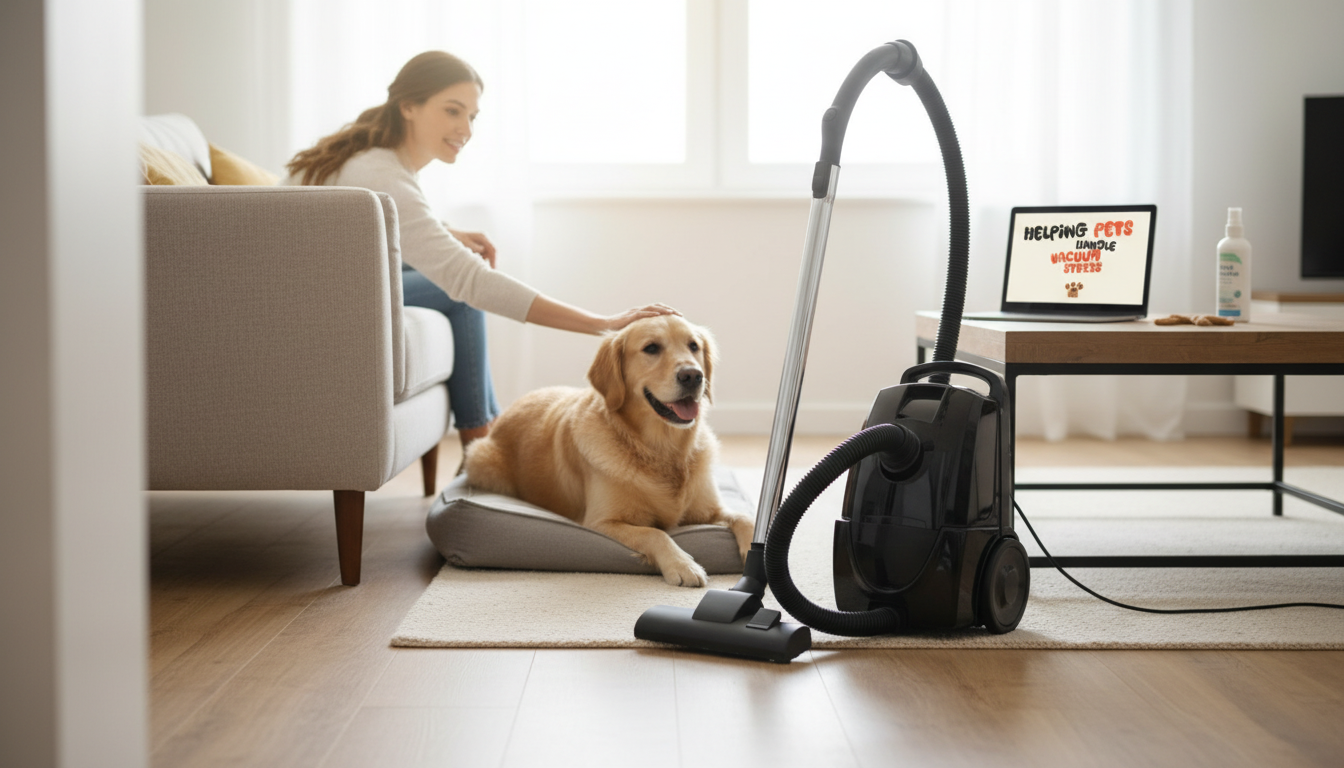
Helping Pets Handle Vacuum Stress: Calmer Cleaning for Dogs and Cats
Vacuum cleaners can look, sound, and even smell “threatening” to pets—especially those sensitive to sudden noise, vibration, and fast movement. With a few changes to setup, timing, training, and the home environment, most dogs and cats can learn to stay relaxed (or at least neutral) while floors get cleaned.
Why vacuums trigger stress in pets
To humans, a vacuum is a tool. To many pets, it’s a loud, fast-moving object that appears without warning and “hunts” across the floor.
- Noise intensity and high-frequency pitch can be uncomfortable or startling, particularly for pets with sensitive hearing.
- Unpredictable movement and looming approach may be interpreted as a threat, leading to barking, chasing, hiding, or freezing.
- Vibration through floors adds a “felt” component to the sound, which some pets find more alarming than the noise alone.
- Learned fear can form after one scary moment (like being bumped or cornered), and returns as soon as the vacuum comes out.
Signs a pet is struggling (and when it’s more than annoyance)
Some pets simply leave the room. Others tip into true panic. Watch for these cues so you can adjust before fear escalates.
- Dogs: pacing, panting, trembling, tucked tail, barking/lunging at the vacuum, refusing treats, trying to herd or attack the machine.
- Cats: bolting, hiding, flattened ears, dilated pupils, tail flicking, growling, refusing food, or not using the litter box afterward.
- Escalation flags: attempts to bite the vacuum, frantic escape behavior, or stress that continues long after vacuuming ends.
- Health considerations: sudden noise sensitivity can worsen with pain, age-related hearing changes, or cognitive decline—consider a veterinary check if behavior shifts quickly.
For deeper behavior guidance, the American Veterinary Society of Animal Behavior (AVSAB) and the ASPCA dog training resources are reliable starting points.
Set the environment up for success before turning the vacuum on
Management is not “giving in”—it’s preventing fear rehearsal while you build better associations.
- Create a quiet zone in a separate room: close the door, draw curtains, add soft bedding, water, and a familiar scent item.
- Add sound buffering: run a fan, white noise, or calming music in the quiet zone to reduce contrast with vacuum noise.
- Manage access: use baby gates for dogs; for cats, provide a high perch or enclosed hideaway away from the vacuum path.
- Remove triggers: store the vacuum out of sight when not in use so it doesn’t become a constant stress cue.
Comfortable “safe spot” gear can help this routine stick. A consistent resting place such as the Luxury Plush Pet Cradle Bed: Deluxe Fleece & Velvet Sofa for Dogs & Cats can make the quiet zone feel predictable rather than isolating.
Noise-reduction and handling tweaks that help immediately
Small changes often make the biggest difference—especially for pets that are “on the edge” of coping.
- Vacuum when pets are naturally calmer: after exercise for dogs; after play and a meal for cats.
- Start at a distance: begin vacuuming far from the pet’s safe area and gradually move closer over multiple sessions.
- Use shorter sessions: 2–5 minutes at a time, then pause; predictability reduces stress.
- Avoid chasing: never steer the vacuum toward a pet to “get them used to it”—that typically intensifies fear.
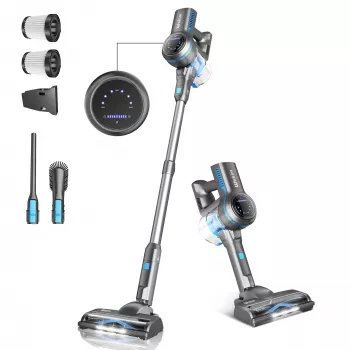
- Consider equipment choices: softer wheels, lower dB models, and variable power settings can reduce intensity for sensitive pets.
Quick adjustments and what they change
| Adjustment | What to do | What it improves |
|---|---|---|
| Quiet zone | Set up a closed room with bedding, water, and white noise | Gives control and reduces exposure |
| Distance first | Start vacuuming in the farthest room and work inward | Lowers intensity and prevents panic |
| Short sessions | Vacuum in brief bursts with breaks | Builds predictability and tolerance |
| High-value rewards | Offer treats/toy only during vacuum presence | Replaces fear association with positive outcomes |
| Barrier management | Use gates/doors to prevent chasing or attacking | Reduces rehearsal of reactive behavior |
Training plan: teach calm around the vacuum step by step
Think “gradual exposure + rewards,” not “endure it.” If your pet can’t take treats, the step is too hard.
Tools that can make vacuum time easier
For cats, adding “vertical safety” can reduce panic because it creates distance and choice. A stable perch like the Deluxe Cat Climbing Tree & Claw Sharpener can help cats observe from above rather than fleeing blindly. For additional cat-specific behavior tips, see International Cat Care.
A simple routine for vacuum days
Product spotlight: Helping Pets Handle Vacuum Stress
Helping Pets Handle Vacuum Stress is designed to support calmer responses during vacuuming routines and other noisy household moments. It works best as part of a consistent plan: a safe space setup, gradual exposure, and reward-based training. For homes where vacuum time happens often, building predictability—same routine, same quiet zone, same rewards—can be the turning point.
FAQ
Should pets be kept in another room while vacuuming?
Yes for many pets, especially early on. A closed, comfortable quiet zone prevents chasing or panic and supports gradual training. Over time, some pets can stay nearby on a mat if they remain relaxed.
How long does it take for a pet to get used to the vacuum?
It varies from days to weeks depending on sensitivity and past experiences. Progress is faster with short, frequent sessions that stay below the pet’s stress threshold and pair the vacuum with high-value rewards.
What if a dog tries to attack the vacuum or a cat panics and won’t come out?
Stop the session and increase distance next time. Use barriers to prevent rehearsal of attacking/chasing, and consult a veterinarian or qualified behavior professional if the reaction is intense, escalating, or slow to improve.














Leave a comment