Big & Tall Ergonomic Chair: Recline + Footrest Comfort
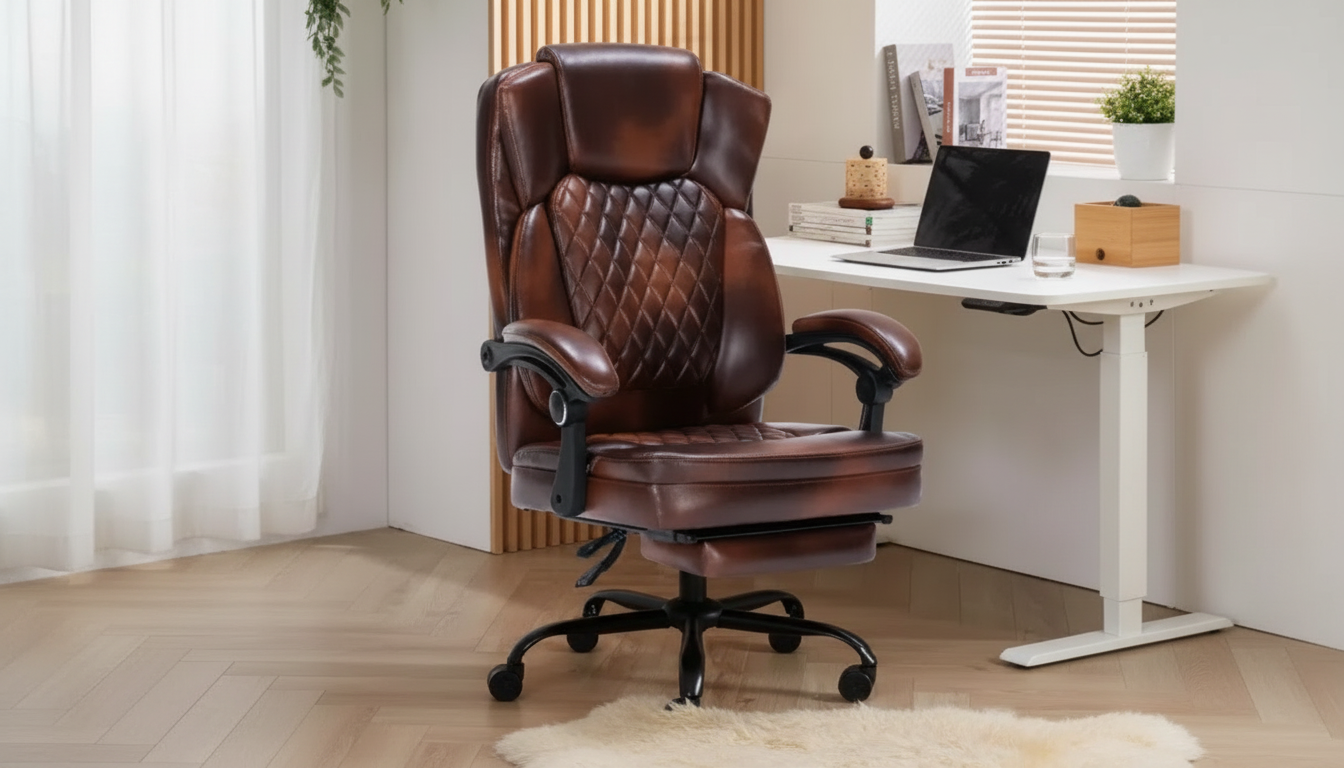
Ergonomic Big & Tall Office Chair with Footrest and Reclining Design: Comfort, Support, and Space to Move
A chair built for taller and larger frames should do more than “fit”—it should keep the spine supported through long work sessions, reduce pressure on hips and thighs, and make it easy to change postures. The right big & tall ergonomic chair with a footrest and reclining function can make daily desk time feel steadier, roomier, and less fatiguing—especially when it’s set up correctly and used for the right moments.
General workstation fundamentals still apply: keep a neutral posture, support the lower back, and position the screen and input devices to avoid reaching. If you want a deeper ergonomic refresher, the guidance from NIOSH and the Mayo Clinic is a helpful baseline.
What Makes a Big & Tall Chair Feel Comfortable All Day
Comfort for bigger and taller bodies is less about “extra padding” and more about correct proportions and stable support. A chair can be wide, but still uncomfortable if the seat depth is short, the lumbar hits the wrong spot, or the base feels sketchy when you shift your weight.
- Seat depth and width: You want thighs supported without the front edge pressing into the back of the knees. A small gap behind the knee helps reduce pressure and numbness.
- Backrest shape: A supportive backrest follows the natural curve of the lower back so you don’t sag into a slouched posture during typing and calls.
- Stable frame and base: Big & tall users benefit from a chair that feels planted when scooting in, leaning, reclining, or extending a footrest.
- Padding that doesn’t “bottom out”: Look for cushioning that distributes pressure across the seat and stays resilient over time.
- Arm support that lets shoulders relax: Armrests should help unload the shoulders—no shrugging upward and no reaching forward to meet the desk.
Reclining Design and Footrest: When They Help (and When They Don’t)
A reclining backrest and integrated footrest are best treated as tools for posture changes, not a replacement for a solid upright working position. Used well, they can reduce stiffness, encourage movement, and make breaks feel more restorative.
- Recline for micro-breaks: Leaning back even 10–20 degrees for a minute can reduce spinal loading and interrupt static sitting.
- Footrest for leg relief: During reclined breaks, a footrest can support calves/heels and reduce leg fatigue—especially when seat height is set for desk alignment and your feet don’t sit perfectly on the floor.
- Upright is usually best for focused typing: For precision mouse work and long writing sessions, keep feet grounded (or on a stable support) and use the backrest to maintain lumbar contact.
- Smooth, predictable tilt matters: A recline mechanism should feel controlled; abrupt tilt can force your core and neck to compensate.
- Adjust if reclining increases low-back discomfort: Increase lumbar support (or add a small lumbar cushion) and reduce the recline angle until your lower back feels supported rather than stretched.
Upright Work vs. Reclined Breaks: Quick Setup Guide
| Position | Chair setup | Best for | Watch out for |
|---|---|---|---|
| Upright work | Backrest supporting lower back; feet flat; elbows near 90°; screen at eye level | Typing, meetings, precise mouse work | If shoulders lift, lower armrests or bring chair closer to desk |
| Slight recline | Lean back a little; keep head aligned; feet supported (floor or footrest) | Reading, thinking, short decompression | Avoid craning neck forward to see the screen |
| Deep recline + footrest | Extend footrest; recline more; keep lumbar supported | Breaks, relaxation between tasks | Not ideal for long typing; avoid pressure behind knees |
Ergonomic Adjustments That Matter Most for Taller Users
Big & tall seating comfort often comes down to a handful of adjustments. Small changes can have an outsized effect, especially for longer legs and longer torsos.
Materials and Build: What to Check Before Buying
Who This Style of Chair Fits Best
Product Spotlight: Ergonomic Big & Tall Office Chair with Footrest and Reclining Design
If the goal is one chair that supports focused work and makes breaks feel genuinely restorative, Ergonomic Big & Tall Office Chair with Footrest and Reclining Design is built around that idea. Its big & tall form factor aims to provide a more spacious seat and a supportive backrest, while the reclining function and footrest encourage posture shifts throughout the day.
At-a-Glance
| Item | Details |
|---|---|
| Product | Ergonomic Big & Tall Office Chair with Footrest and Reclining Design |
| Price | 263.51 USD |
| Availability | In stock |
| Product page | View product |
Comfort Add-On for Chilly Workspaces
If your home office runs cold (basement setups and garages are common culprits), staying warm can help you relax your shoulders and avoid tensing up during long sessions. A layer designed for heat retention can complement a supportive chair—especially during early mornings or winter work blocks. Consider the Weatherproof Heated Motorcycle Jacket as a warmth option that can also pull double-duty outside the office.
FAQ
Is a footrest on an office chair good for long workdays?
It’s most helpful for short reclined breaks, leg elevation, and circulation comfort. For long typing sessions, feet flat on the floor (or on a stable support) usually works better, so alternating positions tends to feel best.
How much recline is comfortable without hurting posture?
A moderate recline is often comfortable for reading, thinking, and brief decompression as long as lumbar support stays engaged and your head remains aligned with your torso. Avoid sliding forward on the seat or craning your neck toward the screen.
What chair adjustments matter most for tall users?
Seat depth, seat height paired with reliable foot support, lumbar placement, and armrest height are the biggest levers. A good quick check is a small gap behind the knees and elbows resting near 90° without shoulders lifting.













Leave a comment