Clarks Men’s Leather Lace-Up Boots: Fit, Care & Value
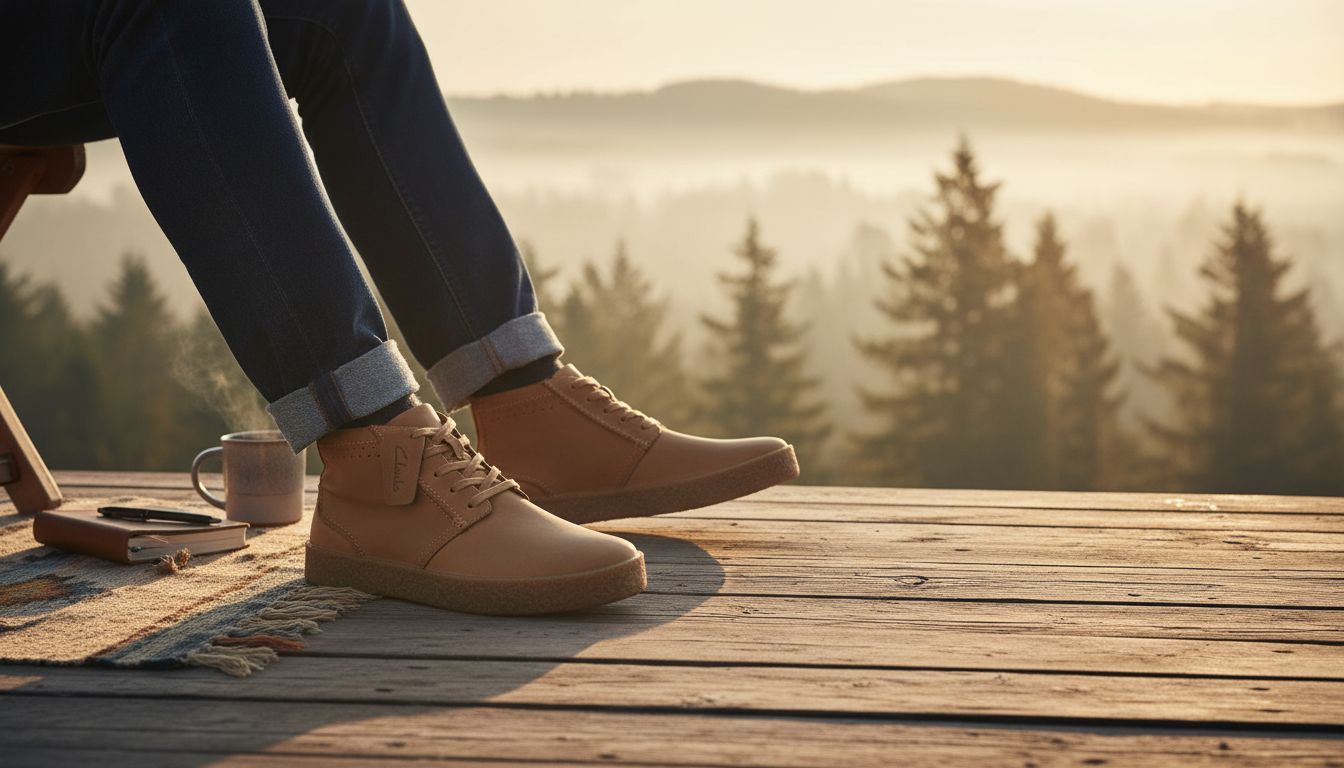
Clarks Men’s Leather Lace-Up Boots: everyday leather, dialed-in fit
Leather lace-up boots are a dependable choice for cooler weather, commuting, and smart-casual outfits. A well-made pair can handle daily sidewalks, office days that run long, and weekend walking—while still looking polished with denim or chinos. Below is a practical guide to what matters most in materials, comfort, traction, and care, plus tips for getting the best fit and extending the life of leather boots.
Quick look: what makes these boots stand out
- Leather uppers deliver a classic, versatile look that can dress up denim or pair cleanly with chinos.
- The lace-up design lets you fine-tune fit across the instep and ankle—useful if you’re between widths or want a more secure feel.
- Best for everyday wear, commuting, and light outdoor walking rather than heavy-duty worksite conditions.
- Leather stays comfortable and crack-free longer with consistent care: cleaning, conditioning, and proper drying.
Materials and build details to check before buying
Two boots can look similar online but wear very differently over time. These checkpoints help predict comfort, traction, and longevity.
- Leather type: Full-grain leather tends to be the most durable and can develop a rich patina; corrected-grain is often easier to keep looking uniform; nubuck and suede look great but need more protection from stains and water.
- Lining and insole: For longer walks, prioritize breathability and cushioning. A supportive footbed can reduce fatigue, especially on hard floors.
- Midsole/outsole: Rubber outsoles usually provide better grip in wet conditions than smoother compounds. If you commute on slick sidewalks, traction is not the place to compromise.
- Stitching and bonding: Even stitching, clean edges, and a securely attached outsole help the boot hold up through flexing and daily wear.
- Hardware: Eyelets and speed hooks should feel sturdy and smooth so they don’t snag laces or chew them up prematurely.
For general leather cleaning and protection basics, this guide is a helpful reference: Leather care basics (conditioning and protection).
Comfort and fit: getting the lace-up feel right
Lace-up boots can feel custom once they’re dialed in, but the first fit test matters. Use these quick checks before committing to a long day on your feet.
- Toe room: Aim for roughly a thumb’s width in front of your longest toe. Too tight creates pressure; too loose can cause rubbing and instability.
- Heel hold: A small amount of heel movement at first can be normal, especially in new leather. Persistent heel slip usually means the size is off or the lacing pattern needs adjustment.
- Instep pressure: Lace in zones—slightly looser over the forefoot and snugger at the ankle—to reduce hot spots across the top of the foot.
- Socks matter: Fit-test with the sock thickness you’ll actually wear (thin dress socks vs. thicker boot socks). The wrong sock can make a correct size feel wrong.
- Break-in: Leather often softens over a few wears. If the boots feel stiff, avoid an all-day outing on day one—short wears help the upper relax without punishing your feet.
For foot-health-oriented guidance related to shoes and wear patterns, see: Footwear care guidance (drying and maintenance).
Where they fit in a wardrobe
Leather lace-up boots earn their keep because they bridge casual and refined—especially when the silhouette is clean and the leather is well kept.
- Smart-casual: Pair with dark denim, an oxford shirt, and a wool coat for a sharp city-ready look.
- Business casual: Works well with chinos and a knit or blazer when the boot profile is streamlined and the leather is polished.
- Weekend wear: Combine with straight-leg jeans and a flannel or field jacket for an easy, rugged vibe.
- Seasonality: Ideal for fall through early spring. Add a water protectant for wet days and watch your traction on slush.
- Color coordination: Brown tones pair naturally with navy, olive, and denim; black reads clean with charcoal and black denim.
Care and maintenance for leather lace-up boots
Simple leather boot care schedule
| Task | How often | What you need | Notes |
|---|---|---|---|
| Brush/wipe surface | After each wear (or weekly) | Soft brush or microfiber cloth | Focus on seams and around the welt/outsole edge |
| Clean deeper | Monthly (or as needed) | Leather cleaner | Let boots fully dry before conditioning |
| Condition | Every 6–10 wears (varies by climate) | Leather conditioner | Use sparingly; buff after absorption |
| Protect from water/stains | Every 4–6 weeks (wet seasons) | Appropriate protectant | Test on a small area first |
| Check laces and eyelets | Monthly | Replacement laces (optional) | Replace frayed laces to prevent snapping |
Value checkpoints: price, durability, and daily use
Product options (in stock)
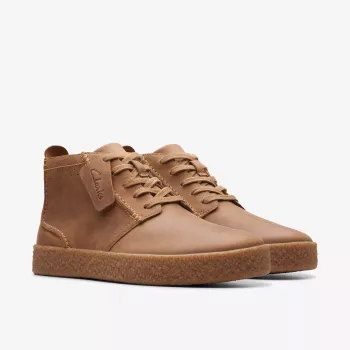
- Clarks Men’s Leather Lace-Up Boots — classic leather lace-up styling suited to everyday wear and smart-casual outfits. $67.51 USD, in stock. Good match for commuting, casual office settings, weekend outfits, and light outdoor walking.
- Weatherproof Heated Motorcycle Jacket — a practical cold-weather layer to pair with fall/winter boot season when you want extra warmth on commutes and outdoor time. $360.01 USD, in stock.
FAQ
How should leather lace-up boots fit at first?
They should feel snug but not tight, with clear toe room and a secure heel. Mild stiffness is normal early on, but sharp pressure points, numbness, or pinching usually mean the size or lacing needs to change.
How often should leather boots be conditioned?
Conditioning every 6–10 wears works well for many people, with more frequent conditioning in dry climates or after repeated wet exposure. If the leather looks dull, feels stiff, or shows fine creasing, it’s usually time.
What’s the best way to dry leather boots after rain?
Air-dry them away from direct heat, and remove insoles if possible to help moisture escape. Stuffing the boots with paper helps hold their shape; once fully dry, condition if the leather feels dry or tight.













Leave a comment