4-Slice Toaster: Extra-Wide Slots, Timer & Bagel Mode
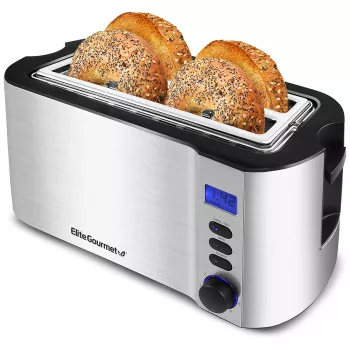
4-Slice Toaster with Extra Wide Slots, Countdown Timer & Bagel Function
A dependable toaster can simplify busy mornings when different breads—and different browning preferences—need to come out right the first time. This 4-slice model focuses on practical upgrades: extra-wide slots for thicker items, a countdown timer for better timing, and a bagel setting designed for the right balance of crisp edges and a warm center.
What Makes This Toaster a Practical Upgrade
If toast is a daily routine (not an occasional treat), the details matter more than flashy extras. A four-slice layout helps cover family breakfasts or quick meal prep without running multiple batches, and the extra-wide slots are built for real-life bread choices—bagels, buns, and thicker cuts that tend to snag in narrow toasters.
The countdown timer adds a surprisingly useful layer of control: it’s easier to sync toast with coffee, eggs, or getting kids out the door when you can see time remaining at a glance. Add a bagel function for a better cut-side finish, and the result is a toaster designed for consistency, day after day.
Extra Wide Slots: What Fits and Why It Matters
Extra-wide slots aren’t just about “bigger bread.” They can reduce tearing and crumbling when you pull toast out, and they help prevent the stuck-bread scenario that often starts with tight slots pinching the sides and scorching the edges.
Wide slots are especially helpful when your pantry rotates between standard sandwich loaves and items like bagels, English muffins, hamburger buns, and denser artisan breads. For the best results, look for steady placement and even centering so heat reaches both sides consistently. If you toast very tall slices, a practical approach is to toast in stages to avoid over-browning the exposed top edge.
Common items and how wide slots help
| Item | Typical issue with narrow slots | Benefit of extra-wide slots |
|---|---|---|
| Bagels | Cut side browns unevenly; can jam | More space for clean insertion and consistent toasting |
| Thick-cut sandwich bread | Edges scorch while center stays pale | More airflow and better fit for even browning |
| Buns & rolls | Crushing and tearing on removal | Less friction; easier lift-out |
| Artisan loaves | Irregular shapes get stuck | Improved tolerance for uneven thickness |
Countdown Timer: More Control Over Busy Mornings
A dial-only toaster can make you guess—especially when you’re juggling multiple tasks. A countdown display makes it easier to coordinate breakfast for several people because you can check progress at a glance instead of relying on memory or listening for the pop.
It also helps reduce over-toasting when you step away briefly to pack lunches, refill drinks, or handle a quick interruption. Once you find a preferred setting for a specific bread type, the timer supports repeatable routines with fewer surprises. If you notice later batches finishing faster than the first, a short cool-down between cycles can help reduce the effect of heat build-up inside the toaster.
Bagel Function: Getting the Right Toast on the Cut Side
Bagel mode is designed for how bagels are meant to be toasted: more emphasis on the cut face, while the outside is warmed without becoming overly crisp. The goal is a toasted surface that holds spreads well, while keeping the interior pleasantly warm and chewy.
This setting can also be useful for English muffins and split rolls—any item where the interior surface is the main target. For frozen bagels, starting a little lighter and adding time as needed is a smart way to avoid scorching. If you’re adding thick, cold spreads like cream cheese, toasting slightly lighter can help keep the center warm instead of drying it out.
Daily Use Guide: Consistent Results Across Different Breads
Consistency comes from small adjustments that match the bread in front of you. A good starting point is a mid-range browning setting for the first run, then adjusting based on how quickly the bread colors and how dry or moist it is.
- Denser breads like rye and sourdough often need a touch more time than soft white bread for the same color.
- If you toast multiple rounds back-to-back, slightly reduce time or shade because the toaster is already warm.
- For pastries or sugary breads, use a lower setting to reduce surface burning.
- If slices vary a lot in thickness, group similar pieces together for more uniform results.
Cleaning, Crumb Control, and Kitchen Safety
Always unplug the toaster before cleaning and let it cool fully. Avoid using metal utensils to remove stuck food; instead, gently shake out crumbs over a sink or use non-metal tools made for appliances. Keep the toaster away from curtains, paper towels, and crowded outlets to reduce fire risk. For broader guidance on safe appliance use, review recommendations from the U.S. Consumer Product Safety Commission (CPSC) cooking safety guide and the NFPA cooking fire safety resources.
Who This Toaster Fits Best
In-Stock Picks
- 4-Slice Toaster with Extra Wide Slots, Countdown Timer & Bagel Function ($41.82)
- Weatherproof Heated Motorcycle Jacket ($360.01)
- Deluxe Cat Climbing Tree & Claw Sharpener ($269.82)
FAQ
Does the bagel function toast both sides the same way?
No. Bagel mode typically focuses more heat on the cut side while warming the outer side more gently to avoid over-crisping; results can vary a bit based on thickness and moisture.
Why do later batches toast faster than the first batch?
The toaster is already hot, so it needs less time to reach the same browning level. For more consistent results, slightly lower the shade/time for later rounds or let the toaster cool briefly between cycles.
What should be done if bread gets stuck in the slots?
Unplug the toaster, let it cool completely, and remove the bread without using metal utensils. Regular crumb cleaning and avoiding overly thick or misshapen slices can also reduce sticking.















Leave a comment