Ceramic vs Glass vs Plastic: Do Spices Stay Fresher?
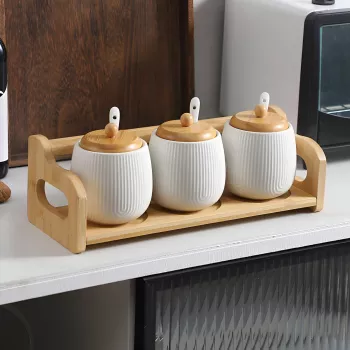
Does a ceramic seasoning jar keep spices fresher than plastic or glass containers?
Answer
A ceramic seasoning jar can help keep spices fresher than many plastic or glass containers, but it depends on three practical factors: light exposure, the quality of the seal, and temperature stability. Ceramic is naturally opaque, which protects light-sensitive spices (like paprika, chili powder, and dried herbs) from UV and bright kitchen lighting that can fade color and flatten flavor. Clear glass, while non-reactive, often needs a dark cabinet or an added sleeve to offer the same light protection.
Compared with plastic, ceramic also avoids common odor and oil absorption issues. Many plastics can retain smells from strongly aromatic spices (such as cumin or garlic powder) and may transfer lingering odors to the next refill. Ceramic is less likely to hold onto those aromas, helping each spice taste like itself over time.
That said, freshness is usually won or lost at the lid. A ceramic jar with a tight-fitting lid (ideally with a gasket or well-designed rim) will slow down oxidation and moisture uptake far better than a loose-lidded ceramic jar. Glass can perform just as well as ceramic when it has an airtight closure and is stored away from light. Plastic can also work fine short-term, but it’s typically more permeable to air and can be more vulnerable to warping or imperfect sealing over repeated use.
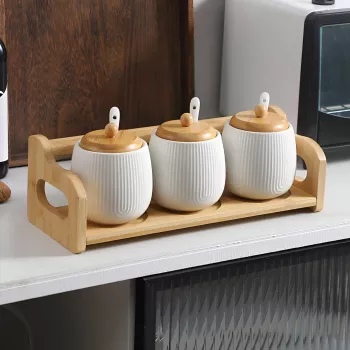
If your jars sit on the counter, ceramic has a real advantage because it shields contents from light and can buffer small temperature swings better than thin plastic. For a deeper look at how a ceramic jar set can keep the cooking area organized while supporting better storage habits, see this guide to a Nordic ceramic seasoning jar set.
FAQ
Should spices be stored on the counter or in a cabinet?
A cabinet is usually better because it reduces light and heat exposure, two of the biggest drivers of flavor loss. If counter storage is your preference, choose opaque jars with tight lids and keep them away from the stove and sunny windows.












Leave a comment