Cat Tree Buying Guide: Keep Cats Active & Off Furniture
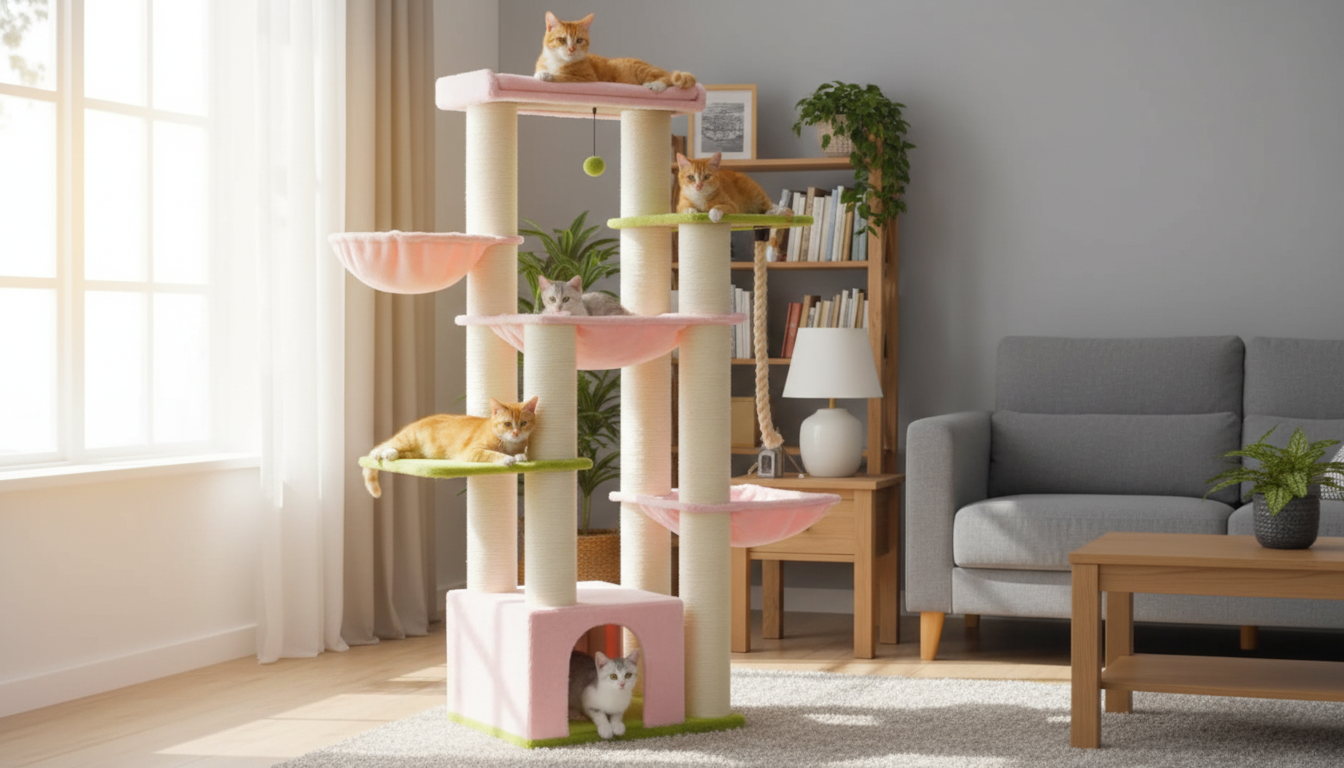
Cat Trees That Keep Cats Active, Calm, and Off the Furniture
A good cat tree gives cats a place to climb, scratch, perch, and nap—often reducing boredom behaviors and protecting sofas and curtains. The right choice depends on your cat’s size, activity level, and where the tree will live, plus how stable and easy it is to keep clean. When the setup matches your home and your cat’s body, a cat tree becomes a daily “yes space” that makes everything else (including your couch) less interesting. For more guidance, see Dining with ants and discovering the giant wine glass cat tree.
What a Cat Tree Should Do Every Day
A cat tree earns its floor space by meeting a few natural feline needs on repeat—not just looking cute in the corner. For further reading, see Cat tree – Wikipedia.
- Provide vertical territory with at least one high perch for observation and security.
- Include scratch-ready surfaces that feel satisfying (sisal rope or sisal fabric are common).
- Offer a comfortable rest zone (condo, hammock, basket, or wide platform) sized for your cat.
- Support play and movement with multiple levels and safe stepping distances.
- Stay stable during jumping, sprinting, and “launch-and-catch” moments.
Consistent access to enrichment matters. If you want more background on why perches, hiding spots, and structured play help, see the AVMA overview of environmental enrichment for cats.
Choosing the Right Size and Layout
Most “cat tree problems” are really sizing problems: platforms are too narrow, condos are cramped, or the climb is too steep for the cat’s confidence level.
- For larger cats, prioritize wide platforms and roomy condos so the body isn’t compressed when turning around.
- Check perch depth: a relaxed sprawl should fit without paws hanging off the edge.
- Look for thicker posts and heavier bases to prevent wobble; top-heavy designs need extra stabilization.
- For multi-cat homes, choose several perches at different heights to reduce crowding and guarding.
- If your cat is older or less agile, choose a stair-step layout with shorter vertical gaps between platforms.
Quick sizing guide for common cat-tree parts
| Feature | What to look for | Why it matters |
|---|---|---|
| Base | Wide, heavy, low profile | Prevents tipping when cats jump or wrestle |
| Platforms | Deep, sturdy, non-slick surface | Comfort and confidence during turns and landings |
| Condos | Large opening and roomy interior | Reduces stress and improves napping comfort |
| Scratching posts | Tall enough for a full-body stretch; durable sisal | Encourages consistent scratching away from furniture |
| Top perch | Stable, well-supported, slightly rimmed if possible | Creates a “safe lookout” without wobble |
Materials, Durability, and Easy Cleaning
Daily use adds up fast—especially if your cat is a committed scratcher or you’re managing shedding across multiple cats.
- Sisal: durable and popular for scratching; tightly wrapped rope lasts longer than loose winding.
- Carpet vs plush: carpet can grab shedding hair; plush feels cozy but may show wear faster on heavy scratchers.
- Removable cushions or wipeable surfaces simplify maintenance, especially in multi-cat homes.
- Inspect seams and staples: hidden fasteners reduce snag risks for paws and claws.
- If odors build up, prioritize designs with accessible corners for vacuuming and spot-cleaning.
If scratching is the main battle, it helps to know what your cat is trying to accomplish (marking, claw maintenance, stretching). VCA’s guide on scratching behavior in cats is a practical refresher.
Stability and Safety Checks Before Buying
Stability is what turns a cat tree from “interesting” into “trusted.” A cautious cat won’t fully relax on a perch that shimmies, and a bold cat can tip a lightweight tower during high-speed play.
- Confirm the stated weight support and whether the design is meant for big cats or multiple cats.
- Choose thicker posts and reinforced joints to handle repeated impact from jumping.
- Consider wall-anchoring options for tall trees, especially on smooth floors.
- Avoid dangling toys on long cords in rough-play homes; check attachment strength regularly.
- Place the tree away from fragile shelves and ensure there’s a clear “landing zone.”
For a broader view of what cats need in their living space—like resting spots, resources, and safe pathways—the AAFP’s Feline Environmental Needs Guidelines are worth a read.
Where to Put a Cat Tree for Maximum Use
A Solid Option for Bigger Cats
If you share your home with a sturdy adult cat (or a cat who simply likes to sprawl), a tree built for bigger bodies makes a noticeable difference in comfort and confidence. The Large Cat Tree for Big Cats is geared toward roomy lounging and a sturdier build to help reduce wobble—especially important when your cat jumps up with momentum or changes direction mid-climb.
For cats who run chilly or like extra coziness after playtime, comfortable loungewear can also reduce roaming and “restless pacing” during colder months. Consider the Winter Luxury Striped Pet Jumpsuit as a warm add-on for post-climb lounging (especially in drafty rooms).
FAQ
How tall should a cat tree be?
Pick a height that offers at least one elevated perch your cat can access confidently. Taller trees can be great for athletic climbers as long as the base is stable; for smaller rooms or senior cats, prioritize easy step-up levels over maximum height.
How can a cat tree be kept from tipping?
Choose a wide, heavy base and set the tree on a flat, non-wobbly surface. For tall models, a wall anchor can add extra security, and tightening hardware periodically helps prevent new wobble.
What if a cat ignores a new cat tree?
Move it to a window or high-traffic room, add a familiar blanket, and use treats or catnip to make the scratching posts inviting. Short play sessions that end with your cat stepping onto the tree can help it become part of the daily routine.















Leave a comment