Reflective No-Pull Dog Harness Vest + Leash (Tracker-Ready)
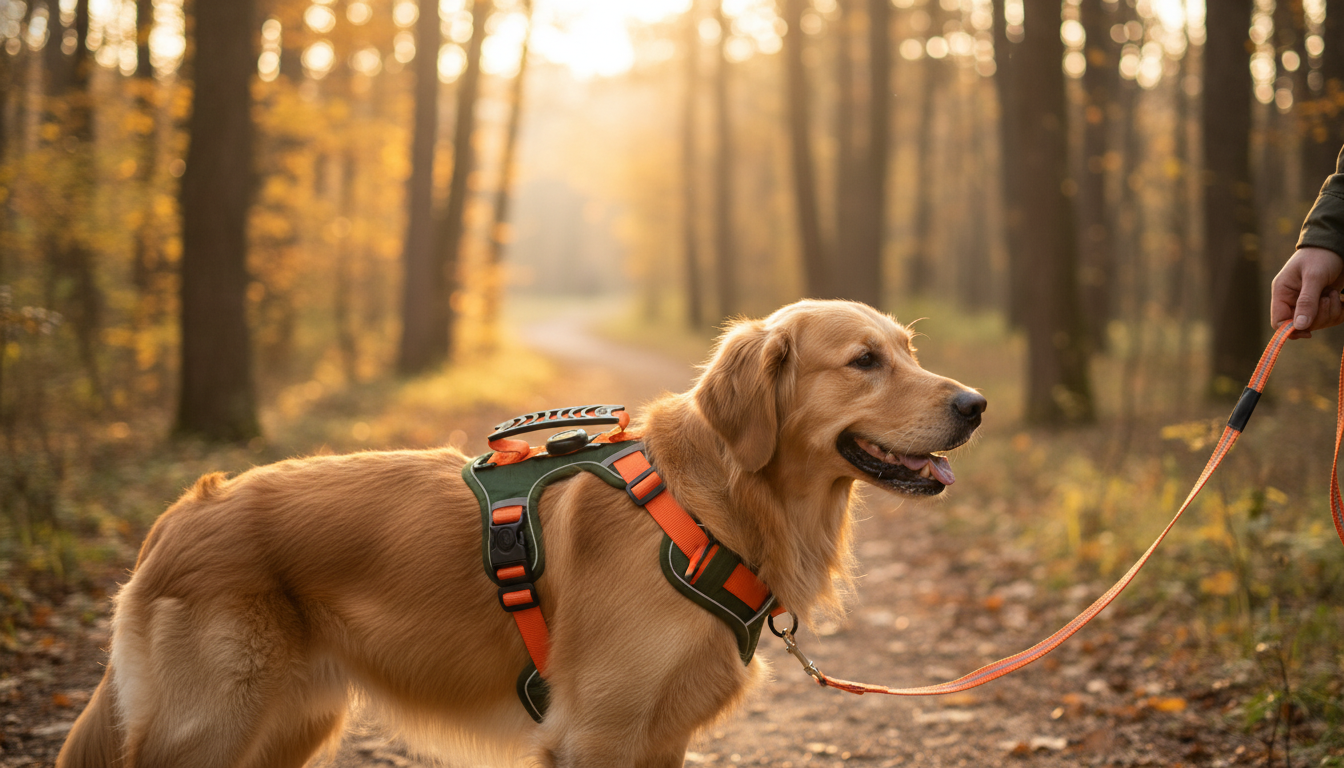
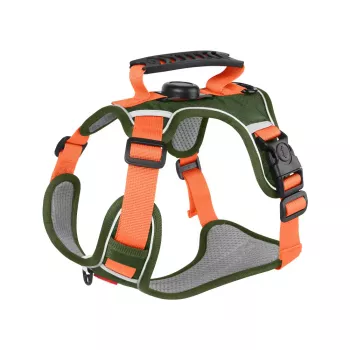
No-Pull Reflective Dog Harness Vest with Leash – Tracker-Ready, Breathable & Adjustable
A comfortable walk depends on the right balance of control, visibility, and fit. This harness vest is designed to reduce pulling, improve nighttime safety with reflective detailing, and keep dogs comfortable with breathable materials—while also offering a tracker-ready option for added peace of mind. For more guidance, see 6 Best Dog Harnesses of 2026 (Tested & Reviewed).
What Makes This Harness Vest Different
A vest-style harness can feel like a “middle ground” between a simple collar and a bulky tactical harness: more support and stability than a collar-only setup, without sacrificing everyday comfort. This design focuses on practical features that matter on real walks—especially for dogs that surge forward, get distracted easily, or head out at dawn and dusk. For further reading, see The 6 Best Dog Harnesses of 2026 | Reviews by Wirecutter.
- No-pull handling designed to discourage lunging and help guide movement more gently than a collar-only setup.
- Reflective elements to improve visibility in low light (evening walks, early mornings, rainy conditions).
- Breathable vest-style coverage intended to spread pressure across the chest and torso for comfort.
- Adjustable straps to support a snug, stable fit for a range of body shapes.
- Tracker-ready design so a compatible tracker can be attached without improvising with tape or extra clips.
- Leash included for a ready-to-walk setup.
For training guidance, the American Kennel Club’s tips on loose-leash walking can help turn the harness’s added control into better walking habits over time.
Comfort and Safety for Everyday Walks
Comfort isn’t just a “nice-to-have.” When a harness fits well and stays put, it reduces friction, helps prevent twisting, and makes leash cues clearer. Pair that with reflective accents, and daily walks can feel calmer—especially around driveways, corners, and crosswalks.
- Breathability helps reduce heat buildup during warm-weather walks and active play.
- Vest-style construction can help minimize rubbing when properly fitted and centered.
- Reflective accents are most effective when kept clean and unobstructed by dirt or long fur.
- A stable fit can reduce twisting during sudden direction changes or when stepping off curbs.
- Security for startled dogs: a secure harness can help prevent slipping out during surprises (always verify fit before relying on it).
Quick Fit and Safety Check
| Check | What to look for | Fix if needed |
|---|---|---|
| Two-finger rule | Two fingers fit under straps without forcing | Tighten evenly on both sides |
| Chest sits centered | Front panel lies flat across chest | Reposition and re-tighten |
| No armpit rub | Straps don’t cut into the armpit area | Loosen slightly or adjust strap routing |
| Back panel stable | Doesn’t slide to one side when walking | Balance adjustments left/right |
| Tracker attachment | Secure, doesn’t dangle or bounce heavily | Use a lighter tracker or reposition |
For broader safety reminders—like visibility, sidewalk rules, and weather precautions—the ASPCA’s dog walking safety guidance is a solid checklist to keep in mind year-round.
Using the No-Pull Features the Right Way
A no-pull harness works best when it supports training rather than trying to “solve” pulling by itself. The goal is to make it easier to reward the walking behavior you want—loose leash, attention, and calm transitions.
- Start with short practice walks to help the dog get used to the feel of the vest.
- Reward loose-leash walking so the harness supports training rather than replacing it.
- Avoid constant leash tension; intermittent guidance and praise typically works better.
- If the dog coughs, slows, or shows stress, pause and re-check strap tightness and placement.
- Pair with a consistent walking routine (same side, clear cues) to reduce pulling over time.
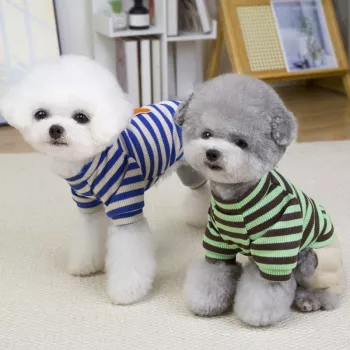
If you’re walking in colder months, pairing a harness with weather-appropriate clothing can help some dogs stay more comfortable and focused. For chilly days, consider the Winter Luxury Striped Pet Jumpsuit as an add-on layer before heading outside.
Tracker-Ready Setup Tips
Trackers can be incredibly helpful for escape-prone dogs, hiking, travel, or busy neighborhoods—provided the device sits securely and doesn’t create a new rubbing point. A tracker-ready harness aims to keep the attachment stable so your dog can move naturally.
- Choose a tracker size/weight appropriate for the dog; lighter devices tend to move less.
- Place the tracker where it won’t hit the shoulder blades repeatedly while walking.
- Confirm the tracker mount does not block reflective areas you rely on for visibility.
- Test security with a gentle shake test before going outside.
- Check attachment points regularly—especially after rough play, rain, or rolling in grass.
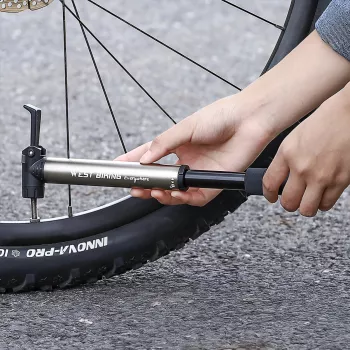
For owners who bike with their dog (or transport gear on rides to parks and trails), keeping equipment ready can reduce last-minute stress. The 80 PSI Portable Bike Pump with Dual Valve & Tool Kit is a practical item to stash for quick tire top-offs on the way to your walking spot.
Care, Cleaning, and Longevity
When This Style of Harness Is a Good Match
FAQ
How tight should a dog harness vest be?
Use the two-finger rule under the straps: it should be snug enough that it won’t rotate or slide, but loose enough to allow full shoulder movement and normal breathing. Re-check the fit after a short walk since straps can settle once your dog starts moving.
Does a no-pull harness stop pulling immediately?
It can reduce leverage and make pulling less rewarding, but results vary by dog. The best improvement usually comes from pairing the harness with loose-leash training and consistent rewards for walking without tension.
Can a tracker be attached securely without bothering the dog?
Yes, when the tracker is lightweight and mounted firmly in a stable position. After attaching it, confirm there’s no bouncing, rubbing, or interference with reflective areas, then re-check the mount regularly.













Leave a comment