Vans Men’s White Leather Sneakers: Fit, Style & Care
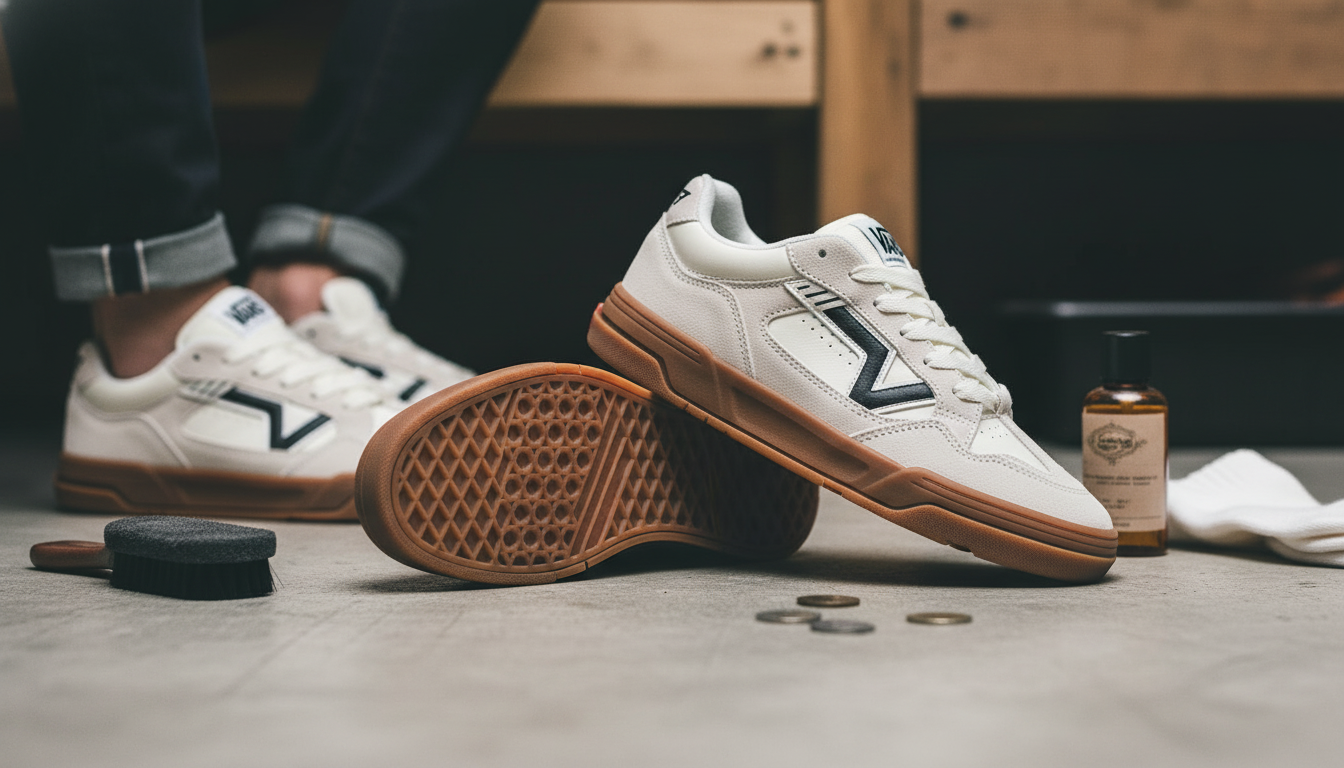
Vans Men’s White Leather Sneakers: Clean Style, Everyday Comfort, Easy Pairing
White leather sneakers are a wardrobe workhorse: sharp enough for smart-casual outfits, casual enough for daily wear, and simple to maintain with the right routine. Vans’ leather take on a classic skate-inspired silhouette keeps the look minimal while offering the durability and structure many prefer over canvas.
What Stands Out About White Leather Vans
- Leather upper delivers a smoother, more structured look than canvas and typically wipes clean more easily.
- White colorway pairs with denim, chinos, joggers, and summer shorts without clashing.
- Low-profile silhouette keeps outfits looking streamlined rather than bulky.
- Reliable “one-shoe” option for commuting, travel, and casual events where clean footwear matters.
For brand background and model lineups, you can reference the Vans Official Site. For leather sustainability and material standards, the Leather Working Group is a useful resource.
Material and Build: What Leather Changes
- Break-in feels different from canvas: leather may start stiffer, then relax and shape to the foot over time.
- Better resistance to light scuffs and surface dirt, though creases are normal and expected with wear.
- Finish details matter (stitching, eyelets, edge finishing). When your pair arrives, take a quick look at seams and glue lines for a clean build.
- Sole feel depends on the Vans family, but most keep a flexible, board-feel heritage that works well for everyday movement.
Fit and Sizing Tips for Men
- Measure later in the day when feet are slightly larger, and compare against the brand’s chart when available.
- If between sizes, decide based on socks and use: thicker socks or long walking days often benefit from a touch more room.
- Heel slip on first wear can happen with loose lacing—try a runner’s loop (heel lock) to secure the ankle.
- Don’t start painfully tight across the forefoot. Leather can relax, but it shouldn’t feel like it’s cutting off circulation.
Quick Fit Checks Before Keeping Them
| Check | What You Want | What Means Exchange |
|---|---|---|
| Toe room | Thumb’s width in front of longest toe | Toe presses the front while standing |
| Heel hold | Minimal lift when walking | Heel pops out even when laced snugly |
| Width | No pinching at the ball of foot | Hot spots or numbness after 10 minutes |
| Flex point | Bends where toes naturally bend | Bends in the midfoot causing arch discomfort |
For general foot comfort guidance and shoe-wear tips, the American Podiatric Medical Association is a reputable starting point.
Comfort in Real-World Use
- Add an insole if needed: if your arches prefer more structure than the stock footbed provides, a supportive insert can change the feel dramatically.
- Rotate when possible: letting leather dry and decompress between wears extends lifespan and helps reduce odor buildup.
- Prioritize heel security for walking: a snug heel fit and stable midfoot lacing reduce friction that can lead to blisters.
- Expect more warmth than canvas in hot weather. Leather can be more insulating, so breathable socks matter.
How to Style White Leather Sneakers Without Overthinking It
- Minimal uniform: straight-leg jeans, a plain tee, and a light jacket. Keep the sneakers bright and let them anchor the look.
- Smart-casual upgrade: tapered chinos with a button-down or knit polo. Match your belt to other leather accessories for a tighter finish.
- Summer-ready: light denim or shorts with crisp crew socks (retro-clean) or no-show socks (sleek line).
- Color shortcut: pair with neutrals (black, gray, navy, tan) for contrast, or with pastels for a softer, warmer palette.
Keeping White Leather Looking White
- Daily: wipe with a dry microfiber cloth to remove dust that can dull the finish.
- Light marks: use a slightly damp cloth; avoid soaking seams or letting water sit on leather.
- Deeper cleaning: use a leather cleaner made for footwear; follow with conditioner sparingly to help prevent drying and cracking.
- Protect: apply a leather-friendly water/stain protector and reapply based on wear and weather exposure.
- Sole edges: a gentle rubber cleaner or melamine foam pad can help, but test lightly and avoid grazing leather panels.
When to Replace or Refresh
- Outsole tread is smooth in high-contact zones: traction drops, and it’s usually time to replace for safer footing.
- Midsole feels “flat”: an insole can help temporarily, but persistent compression often signals end-of-life.
- Scuffs vs. gouges: minor scuffs respond well to leather care; deeper gouges may need specialized touch-up products.
- Quick refresh wins: new laces and a replacement insole can make older sneakers look (and feel) significantly newer.
Featured Picks (In Stock)
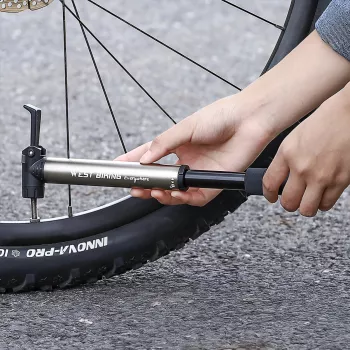
If you want a simple, versatile sneaker that cleans up easily and works across everyday outfits, start with the leather Vans option below. For commuters who bike to work or travel with a compact kit, a portable pump can be a practical add-on.
Vans Men’s White Leather Sneakers
80 PSI Portable Bike Pump with Dual Valve & Tool Kit
At-a-Glance Details
| Item | Price | Availability |
|---|---|---|
| Vans Men’s White Leather Sneakers | 57.01 USD | In stock |
FAQ
How do leather Vans fit compared with canvas versions?
Leather often feels firmer at first and may relax slightly as it breaks in, while canvas can feel more flexible right away. If you’re between sizes, decide based on foot width and sock thickness, and use a heel-lock lacing method if you notice early heel slip.
How can white leather sneakers be cleaned without damaging the leather?
Start with a dry wipe-down, then use a slightly damp cloth for light marks without soaking seams. For deeper cleaning, use a leather-specific footwear cleaner, condition sparingly, and test any product on a small, less-visible spot first.
Are white leather sneakers okay for rain?
They can handle light rain if you use a leather-safe protector, but they shouldn’t be soaked. If they get wet, dry them at room temperature away from direct heat and use paper (or shoe trees) to help them hold their shape.














Leave a comment