Kitchen Island Table With Storage: Sizing, Layout & Tips
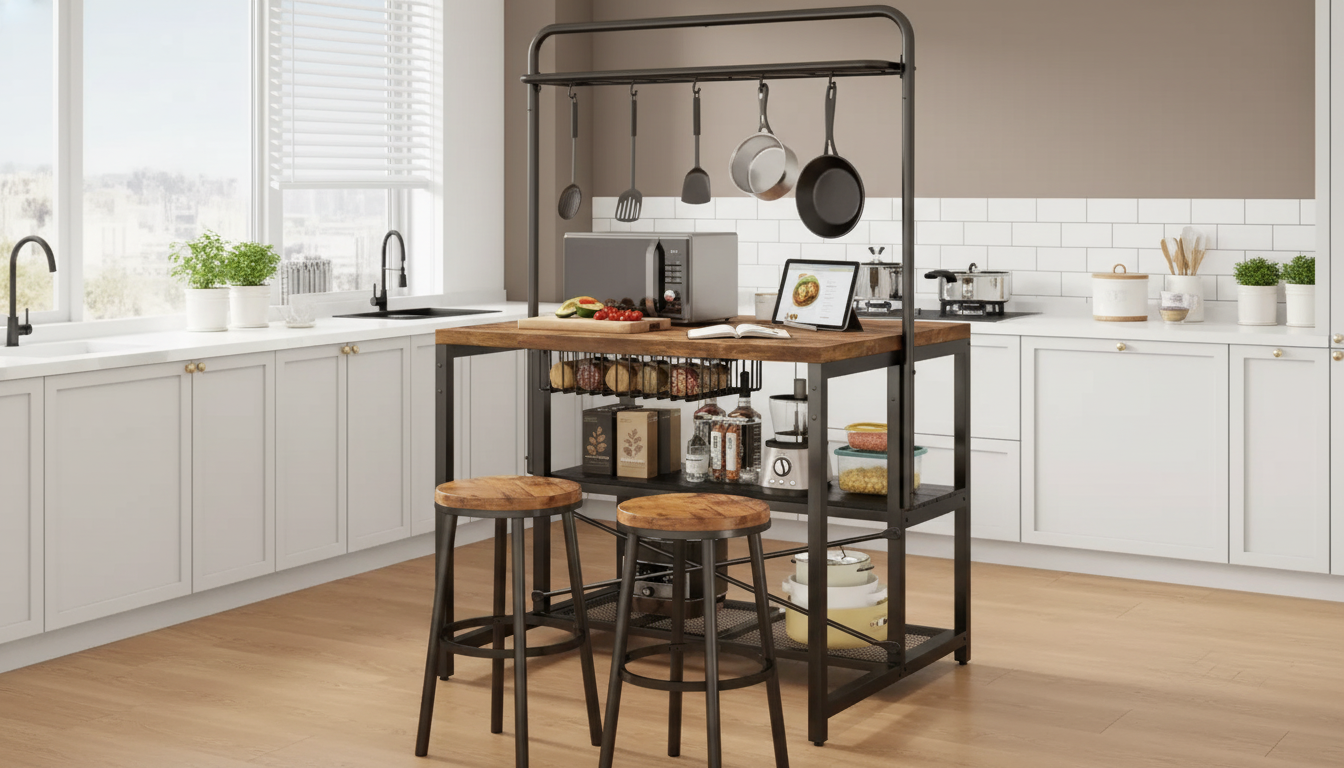
Large Kitchen Island Table with Storage: More Prep Space, Smarter Organization
A kitchen island table with storage adds a dedicated surface for prep, serving, and everyday tasks while keeping cookware, pantry items, and linens close at hand. The right layout can reduce countertop clutter, improve workflow between sink, stove, and fridge, and create a natural gathering spot—especially in smaller kitchens where every inch matters.
What an island table with storage changes in a kitchen
- Creates a secondary work zone for chopping, mixing, plating, or setting out snacks and drinks.
- Moves frequently used items off crowded counters into shelves, drawers, or cabinets.
- Supports smoother “triangle” movement by adding a landing area between key stations.
- Doubles as a serving or buffet station for weeknights and entertaining.
- Adds visual structure to open-plan spaces by defining the kitchen boundary.
For practical planning guidance, the NKBA Kitchen & Bathroom Planning Guidelines are a helpful reference point for spacing, clearances, and everyday usability.
Storage features that matter most
- Closed storage (doors/cabinets): best for hiding appliances, bulk pantry items, or cleaning supplies.
- Open shelving: quick access for mixing bowls, cookbooks, baskets, and everyday dishes.
- Drawers: ideal for utensils, towels, wraps, and small tools—full-extension slides make it easier to see and reach everything.
- Towel bars and hooks: add utility without consuming interior volume.
- Adjustable shelves: accommodate tall bottles, small appliances, or stacked containers as needs change.
A simple way to keep island storage from becoming a “junk magnet” is to store by task: one zone for prep, one for serving, and one for pantry overflow. When items have a home, the countertop tends to stay open and usable.
Sizing and clearance: planning it to feel effortless
- Aim for comfortable walking clearance around the island; wider is better for two cooks moving at once.
- Check door, drawer, and appliance swing paths so storage can open fully without blocking traffic.
- Match the height to the primary use: prep, casual dining, or a mix.
- Measure with painter’s tape on the floor to confirm the footprint before buying.
- If seating is planned, leave knee space and allow room for stools to pull out.
Quick planning checklist
| Planning step | What to measure or confirm | Why it matters |
|---|---|---|
| Footprint | Overall length × width | Ensures the island fits without crowding walkways |
| Clearance | Space on all sides | Prevents bottlenecks and makes storage usable |
| Opening paths | Drawer/door swing | Avoids collisions with cabinets and appliances |
| Work height | Counter height vs. tasks | Improves comfort during chopping and mixing |
| Seating (optional) | Overhang and stool space | Keeps dining comfortable and legs unobstructed |
Materials and build details to look for
- Worktop surface: choose a finish that fits the cooking style—easy-clean surfaces suit daily prep and quick wipe-downs.
- Frame stability: look for a sturdy base that doesn’t rack or wobble when leaning, kneading dough, or slicing.
- Hardware: smooth drawer slides and durable hinges improve daily usability, especially when drawers get heavy.
- Finish durability: sealed, wipeable finishes resist stains and moisture better in high-splash zones.
- Edge details: rounded corners can be friendlier in tight kitchens or with kids moving fast through traffic lanes.
If the island becomes your main prep station, treat it like a cutting board zone: use boards, keep knives stored safely, and sanitize surfaces often. For food-handling basics, the USDA Food Safety and Inspection Service offers clear guidance on safe prep and cleanup routines.
Where to place it for better workflow
- Near the sink: useful for produce prep and draining; keep soap, towels, and cleaning supplies in the closest storage.
- Between fridge and cooktop: an ideal landing zone for ingredients, sheet pans, and hot dishes that need a safe stop.
- At the edge of an open layout: works as a boundary and serving station facing the living or dining area.
- Avoid tight corners: placement should allow drawers/doors to open without forcing detours.
- Consider outlets: if the island will hold appliances, plan power access safely and keep cords out of walkways.
A helpful test is a “busy dinner run”: imagine unloading groceries, rinsing vegetables, and moving a pot to the stove. If you can do that without backtracking or squeezing past open doors, the placement is doing its job.
A practical pick: Large Kitchen Island Table with Storage
- Built to provide generous countertop space for prep and serving.
- Integrated storage helps keep cookware, pantry staples, and kitchen tools organized.
- A strong option for apartments and family kitchens that need more work surface without remodeling.
- Pairs well with baskets and bins to group items by task (baking, breakfast, coffee, snacks).
- Use the top as a daily staging area for meal prep, lunches, and small appliances.
At-a-glance details
| Product | Price | Availability |
|---|---|---|
| Large Kitchen Island Table with Storage | $208.01 USD | In stock |
More in-stock picks from the shop
- 80 PSI Portable Bike Pump with Dual Valve & Tool Kit for quick top-offs and on-the-go fixes.
- Carbon Fiber–Style Steering Wheel Cover with Honeycomb Anti-Slip Grip for a more secure, comfortable grip during daily driving.
Set-up and everyday use tips
FAQ
How much space is needed around a kitchen island table with storage?
Leave comfortable walking clearance on all sides so people can pass without squeezing, especially during busy meal prep. Plan extra room anywhere drawers and doors will open into a walkway, and add more clearance if you’re including seating and stools.
What should be stored in a kitchen island to reduce countertop clutter?
Group items by task: prep tools (cutting boards, mixing bowls, measuring tools), linens and wraps, and small appliances used weekly. Keep heavier items lower for stability, and reserve the most reachable spots for what you use every day.
Can an island table work in a small kitchen?
Yes—compact or narrow islands can work well when clearances and door/drawer swings are respected. Taping the footprint on the floor before buying helps confirm that storage stays accessible and traffic flow stays comfortable.















Leave a comment