Smart Air Purifiers for Rooms: Size, Sensors, Noise
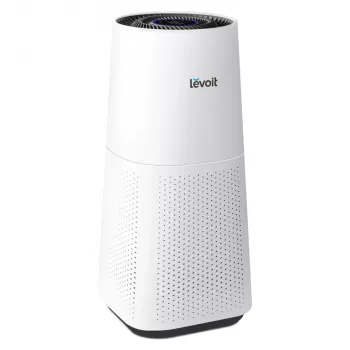
Smart Air Purifiers for Rooms: Cleaner Air with Real-Time Control
Smart air purifiers add app control, sensors, and automation to high-efficiency filtration—helpful for bedrooms, living rooms, nurseries, and open-plan spaces where air quality changes throughout the day. The right pick depends on room size coverage, filter type, noise levels, and how well the “smart” features actually work (reliable sensors, useful alerts, and stable connectivity).
What Makes an Air Purifier “Smart”
A smart purifier isn’t just a fan with a filter—it’s a system that reacts to changing indoor conditions and helps keep maintenance on track. The most useful upgrades typically include:
- Air-quality sensors that detect particle levels and automatically adjust fan speed when air gets worse (like after cooking or opening windows).
- App control for schedules, modes, child lock, and viewing air-quality trends over time.
- Filter-life tracking with reminders based on runtime (and sometimes sensor readings), so performance doesn’t quietly drop.
- Optional voice assistant support and integration with smart home routines (useful, but not essential).
- Auto mode that’s actually livable, meaning it ramps up quickly when needed and settles down without constant loud swings.
For background guidance on how home air cleaners work and where they help most, see the U.S. EPA overview of air cleaners and air filters.
Choosing the Right Size for the Room
Room coverage is where many purchases go wrong. If a purifier can’t move enough air, even great filtration media won’t keep up. A few practical rules help narrow the field:
- Match coverage to the room’s square footage; larger spaces need higher airflow to cycle air effectively.
- Check CADR and recommended room size; higher CADR typically improves smoke/dust/pollen removal speed. (CADR is a standardized way to compare airflow and particle removal—learn more from AHAM.)
- Account for ceiling height and open doorways; open-plan layouts often require sizing up.
- Place it with clearance around intake/exhaust; avoid corners and heavy obstructions like thick curtains.
- Quick check: if odors or dust linger, or auto mode stays high constantly, the purifier may be undersized.
Room size and performance targets (quick reference)
| Room type | Typical size | What to prioritize | Notes |
|---|---|---|---|
| Bedroom | 120–250 sq ft | Low noise, sleep mode, steady filtration | Position away from the bed’s head area to reduce draft |
| Living room | 250–500 sq ft | Higher CADR, strong auto mode, robust filters | Size up for open hallways/kitchens |
| Large room / open plan | 500+ sq ft | High airflow, reliable sensors, durable filters | Multiple units may outperform one in very large layouts |
Filters and What They Actually Capture
Not all “air cleaning” claims are equal. Filter stack design determines what a purifier can realistically remove and how often it needs attention.
- HEPA (or high-efficiency media): targets fine particles such as dust, pollen, and smoke. For most homes, this is the baseline requirement.
- Activated carbon: helps reduce odors and some gases/VOCs. Performance depends heavily on how much carbon is used and how long air stays in contact with it.
- Pre-filters: catch hair and larger dust to extend main filter life. Washable pre-filters can lower ongoing costs and help with pet hair management.
- Avoid relying on ozone-generating “ionizers”: if a unit includes ionization, make sure it can be disabled and check safety certifications.
- Maintenance reality: replacement frequency varies with smoke, pets, and construction dust. Smart reminders are helpful, but a clogged filter can still sneak up—watch for reduced airflow or rising noise.
Smart Features That Matter Day-to-Day
Noise, Energy Use, and Comfort
For homes dealing with higher-risk indoor conditions, improving ventilation also matters. The CDC provides guidance on indoor air and ventilation strategies that can complement filtration.
Snapshot Comparison Table
| Feature | Why it matters | What to look for |
|---|---|---|
| Coverage/CADR | Determines how quickly the room air cycles | Stated room size + CADR ratings |
| Filtration | Particles vs odors/gases | True HEPA + substantial carbon (if odor control needed) |
| Auto mode | Hands-off performance | Fast sensor response, smooth fan changes |
| Noise | Sleep and work comfort | Quiet low mode; tolerable mid speed |
| Maintenance | Total ownership cost | Filter availability, realistic replacement intervals |
A Smart Option for Bigger Spaces
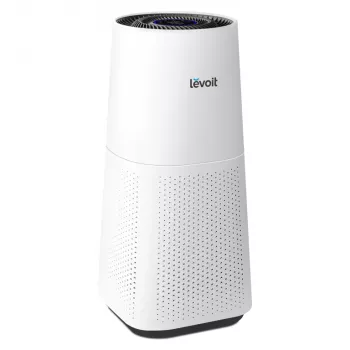
For large rooms, prioritize higher airflow, a dependable auto mode, and easy filter sourcing to keep performance consistent over time. If you’re outfitting an open living area, consider Smart Air Purifiers for Large Rooms—a ready-to-buy option designed for bigger footprints where app-based scheduling and automated fan control are especially useful.
Setup Tips for Better Results
More In-Stock Home Picks
- Adjustable Floor to Ceiling Cat Tree Tower (a vertical option that can help keep play centralized and reduce scattered pet mess in living areas).
- Elegant Nordic Solid Wood Makeup Vanity Desk with Small Mirror (a dedicated getting-ready zone that can help keep powders and sprays more contained to one area).
FAQ
Do smart air purifiers remove odors as well as dust and pollen?
HEPA-style filters are built for particles like dust, pollen, and smoke, while odor control mainly depends on activated carbon. For strong or ongoing odors, a purifier works best alongside ventilation and source control, with carbon replaced on schedule.
How often do filters need to be replaced?
Many homes replace particle filters every 6–12 months, while carbon filters may need attention sooner depending on odors and smoke. Pets, wildfire smoke, and renovation dust can shorten intervals, so watch for reduced airflow, extra noise, or lingering smells even if the app hasn’t alerted yet.
Where should an air purifier be placed in a bedroom or living room?
Place it in an open area with a few feet of clearance, away from walls, curtains, and corners that restrict airflow. Aim the exhaust so it doesn’t blow directly at faces, and in larger/open rooms position it near the main activity zone or a common pollution source like the kitchen pass-through.










Leave a comment