Diadora Men’s Leather Sneakers: Everyday Black Style
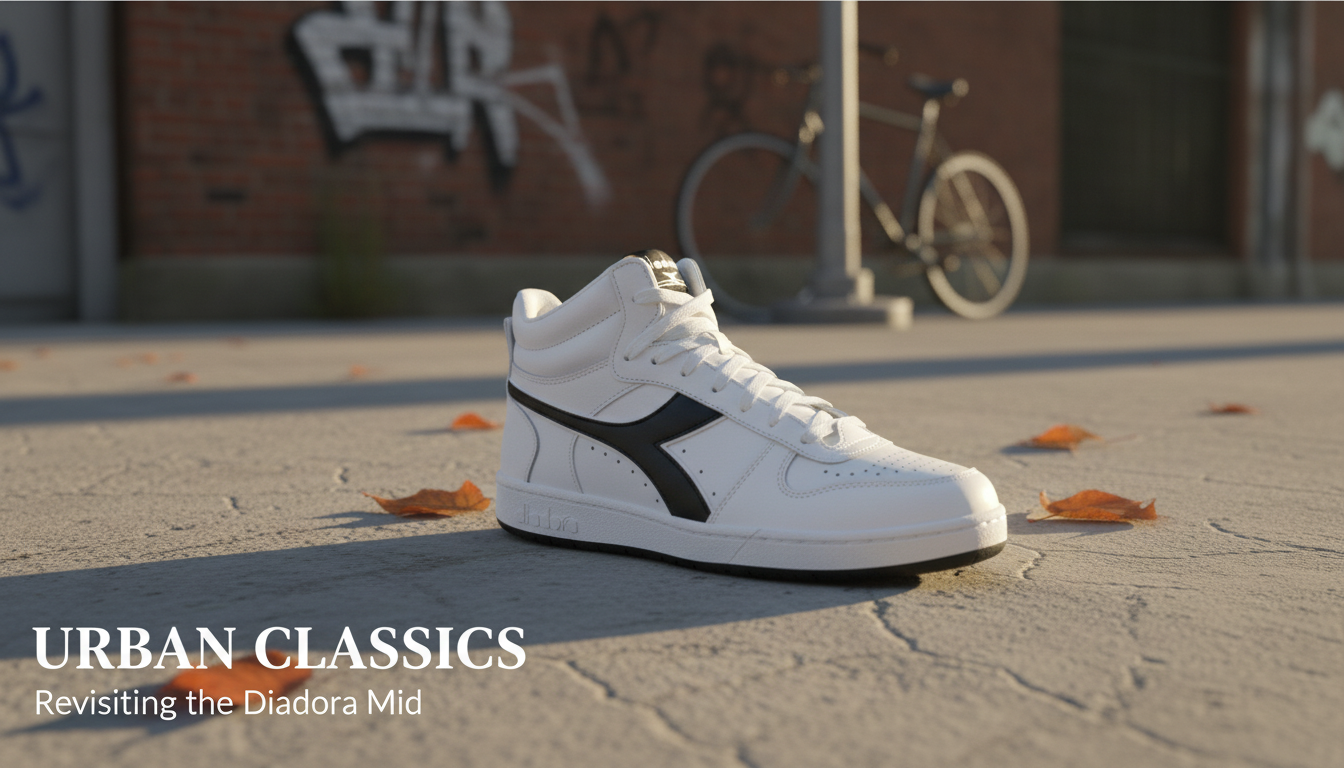
A black leather sneaker can handle busy commutes, casual offices, and weekend plans without looking out of place. With clean lines and a low-key finish, it’s the kind of shoe that can simplify getting dressed while still looking intentional. Below is a practical guide to what matters most in leather sneakers, how to style and care for them, and how to dial in fit before ordering.
What Makes Leather Sneakers a Smart Daily Choice
Leather sneakers tend to read a little sharper than canvas, which makes them easier to wear across dress codes that bounce between casual and smart-casual. A smooth leather upper also holds its shape well, so outfits can look more polished without requiring “dress shoe” effort.
Black leather is especially forgiving: it blends with most wardrobes and hides minor scuffs better than lighter colors. That matters for everyday wear, where sidewalks, office floors, and travel days add up quickly.
Comfort still comes down to support. Look for a stable heel counter and a sole that feels supportive underfoot—small details that make a big difference when you’re on your feet for long stretches. With regular cleaning and occasional conditioning, leather can also age more evenly, helping the finish stay consistent rather than looking dried out or patchy.
Spotlight: Diadora Men’s Black Leather Sneakers
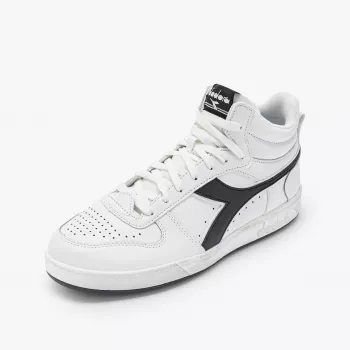
If the goal is a streamlined sneaker that works with most outfits, Diadora Men’s Black Leather Sneakers stand out for a minimal black-on-black look that pairs easily with denim, chinos, and tapered joggers. The leather upper is well suited to everyday wear, and quick wipe-down cleaning is typically all that’s needed for routine upkeep.
They’re a solid option for anyone building a low-fuss rotation: one pair that can anchor weekday errands and still look clean enough for a casual office. Before purchasing, it’s worth checking the product page for current size availability, price, and updated photos.
At-a-Glance Details
| Item | Details |
|---|---|
| Product | Diadora Men’s Black Leather Sneakers |
| Price | $43.01 USD |
| Availability | In stock |
| Color | Black |
| Material | Leather upper (per product title) |
| Product page | View details |
Fit and Comfort: Getting the Size Right
Fit is where leather sneakers can either become a daily favorite or an expensive “almost.” A simple first step is measuring your feet at the end of the day, when they’re slightly larger. Use the longer foot measurement to choose size—many people have one foot that runs a bit longer.
For toe room, a common comfort check is about a thumb’s width between your longest toe and the end of the shoe. Too little space can lead to pressure and black toenails over time; too much can cause sliding that creates blisters.
Sock choice matters more than most people expect. If you tend to wear thicker socks in cooler months, test fit with the socks you’ll actually use. And pay attention to heel lift: a small amount can be normal during the first wears, but persistent slipping usually means the shoe is too big or the shape doesn’t match your heel.
Leather can soften as it breaks in, but it shouldn’t feel painfully tight across the forefoot right out of the box. If the upper is sharply pinching at the widest part of your foot, sizing up or looking for a more accommodating shape is often the better move than hoping it “stretches enough.” For general shoe fit guidance, the American Podiatric Medical Association offers consumer-friendly tips worth reviewing before committing to a new daily pair.
How to Style Black Leather Sneakers Without Overthinking It
Black leather sneakers are most useful when they’re easy to repeat. The goal is a clean base that complements outfits rather than competing with them.
Casual
Pair straight-leg jeans with a crewneck tee and a lightweight jacket. Keep the sneakers clean—black leather looks best when it’s crisp, not dusty. If the rest of the outfit is relaxed, the leather finish adds just enough structure.
Smart-casual
Try chinos with an Oxford shirt or a knit polo. A simple trick for cohesion is matching your belt color to the sneakers (or keeping both in the same dark family). It’s a small detail that makes the outfit feel finished without looking formal.
Modern minimal
Black jeans and a neutral sweatshirt can look intentional if you vary textures—denim, knit, and leather together prevent the outfit from feeling flat. Stick to clean lines and avoid overly distressed pieces when the aim is sleek leather-sneaker styling.
Socks
Care and Cleaning: Keeping Leather Looking Newer Longer
Conditioning occasionally helps reduce dryness and can minimize the look of creasing. Frequency depends on climate and wear, but the key is moderation—too much product can leave residue and attract dirt. For broader context on responsible leather practices and care considerations, the Leather Working Group is a useful reference point.
More In-Stock Finds
- Scandinavian Modern Luxury TV Stand
- Luxury Transparent Glass Bird Cage for Outdoor & Home Decoration
FAQ
How do leather sneakers usually fit compared to running shoes?
Lifestyle leather sneakers often feel more structured and less cushioned than running shoes. Measure your feet, check width, and make sure you have comfortable toe room—leather may soften with wear, but it shouldn’t pinch out of the box.
Can black leather sneakers be worn in the rain?
Light rain is usually manageable, but avoid soaking. Wipe the leather afterward and let it dry at room temperature; a water-repellent spray made for leather can help add protection.
What’s the easiest way to clean black leather sneakers?
Dry brush first, then wipe with a slightly damp cloth. Use a mild leather-safe cleaner only when needed, condition occasionally, and let the shoes dry naturally—skip harsh detergents and direct heat.












Leave a comment