4-in-1 Cavitation Machine: Face & Body Slimming Guide
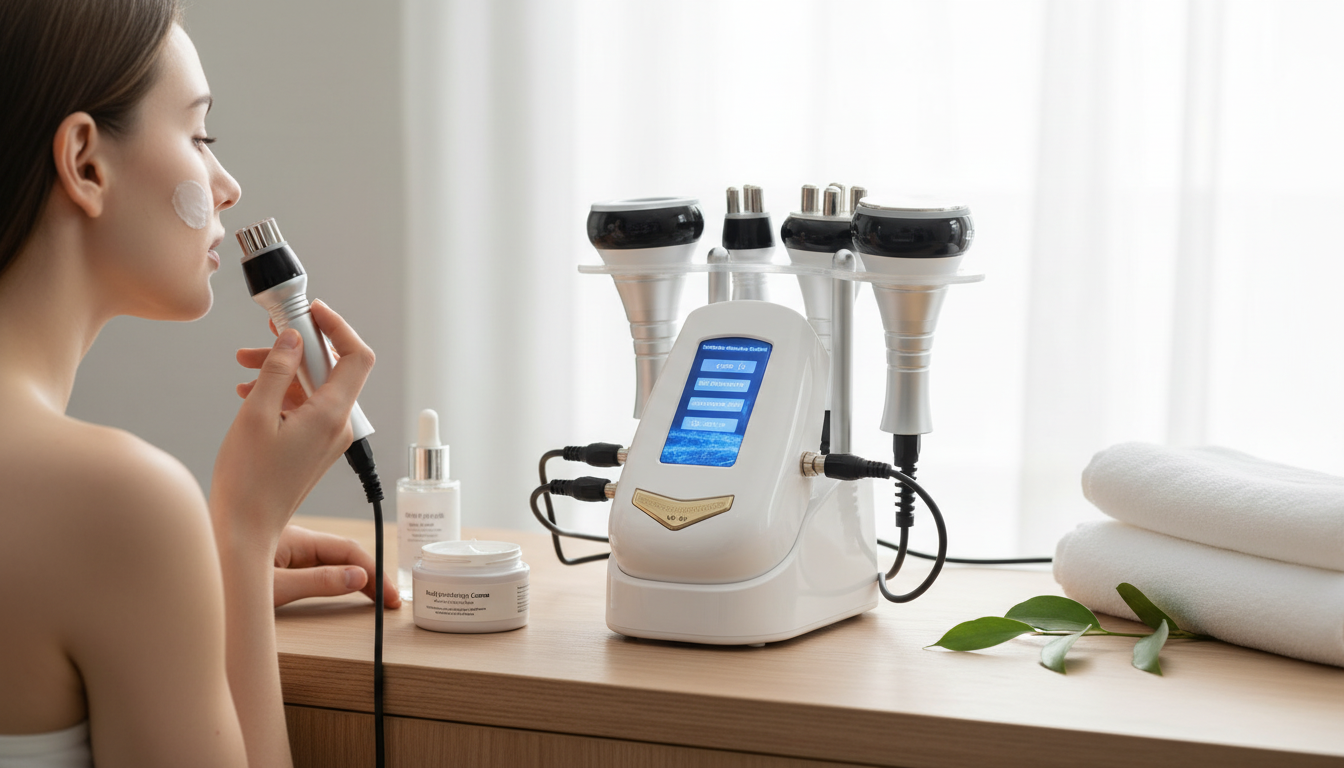
4-in-1 Cavitation Slimming & Skin Tightening Machine for Face and Body: What It Does, Who It’s For, and How to Use It
A multi-function body-contouring device can help support smoother-looking skin and a more sculpted appearance by pairing ultrasonic cavitation-style treatment with skin-firming modalities. This guide explains how a 4-in-1 cavitation slimming and skin tightening machine is typically used on the face and body, what results to expect over time, and the practical safety steps that matter most.
What this 4-in-1 machine is designed to do
A 4-in-1 cavitation slimming and tightening device is generally built for targeted, non-surgical contouring routines. Rather than focusing on overall weight loss, it’s commonly used to help improve the look of areas that feel “stubborn” even when lifestyle habits are fairly consistent.
- Targets the look of localized fullness (commonly abdomen, flanks, thighs, and upper arms) while supporting a firmer skin appearance.
- Supports skin smoothing in areas where texture can look uneven, especially with consistent sessions and good hydration habits.
- Often used as part of a non-surgical contouring routine alongside movement and nutrition, not as a replacement for weight-loss efforts.
- Face use is typically aimed at improving the look of firmness and definition, using lower intensity and shorter sessions than body zones.
How cavitation and tightening modalities work (in plain terms)
Most 4-in-1 devices pair an ultrasonic cavitation-style head with one or more tightening-focused heads (often described as RF-style warming in similar categories of devices). Each mode supports a slightly different goal, which is why many routines alternate or layer steps within the same session.
- Ultrasonic cavitation-style treatment applies sound-wave energy through a handheld head and conductive gel. It’s commonly described as supporting the breakdown of fat-cell contents that the body then processes gradually.
- Skin tightening functions are typically used to warm tissue and support collagen-related firmness, helping skin look more taut as a series progresses.
- Multi-function units may include multiple heads to better match the zone—smaller heads for face/neck control and larger heads for thighs/abdomen efficiency.
- Results are usually session-based and gradual. Immediate changes tend to be subtle (often related to temporary fluid shifts), with more visible changes appearing across weeks.
For general background on home-use devices and cosmetic procedure categories, see the U.S. Food & Drug Administration’s home-use medical device guidance and the American Academy of Dermatology’s cosmetic procedures overview.
Best areas to treat on face and body
Placement and technique matter as much as intensity. The goal is consistent contact, steady movement, and treating the right zones with the right head and settings.
- Body areas commonly treated: abdomen, waist/flanks, hips, thighs (inner/outer), buttocks, and upper arms.
- Face/neck areas commonly treated: jawline, cheeks, under-chin area, and neck (using face-appropriate settings and head size).
- Avoid treating over bony prominences at high intensity, and keep the applicator moving to reduce heat build-up.
- Avoid sensitive areas such as the thyroid region, eyes, and any area with broken or irritated skin.
If you have a history of skin sensitivity, noticeable facial redness, or a medical condition that affects healing, it’s worth getting clinician input first. The American Society of Plastic Surgeons’ overview of non-surgical fat reduction offers helpful context on expectations and candidacy.
Session plan: timing, frequency, and what “progress” looks like
Most people get the best experience when they treat results like a series: a consistent cadence, a conservative ramp-up in intensity, and enough time between sessions for the body to respond.
Sample routine overview (adjust to device guidance and tolerance)
| Area | Session time (typical range) | Frequency (typical range) | Notes |
|---|---|---|---|
| Abdomen/waist | 20–40 min | 1–2× weekly | Hydration and light movement can support comfort after sessions. |
| Thighs | 20–40 min | 1–2× weekly | Treat one side at a time; keep the head moving in overlapping passes. |
| Upper arms | 10–20 min | 1–2× weekly | Use moderate intensity and watch for sensitivity near the elbow area. |
| Face/jaw/neck | 5–15 min | 1× weekly or every 10–14 days | Lower intensity; avoid the thyroid region and eye area. |
How to use a cavitation slimming and skin tightening machine safely
Who tends to get the best results
Care before and after each session
What’s included and what to look for in a quality device
In-stock product picks
- 4-in-1 Cavitation Slimming & Skin Tightening Machine for Face and Body (in stock): A single-device option for larger body zones and smaller facial contours when used with a series-based routine and realistic expectations.
- Scandinavian Modern Luxury TV Stand (in stock): A streamlined home upgrade if you’re refreshing your space while building a consistent self-care routine.
FAQ
How soon can changes be noticed after starting treatments?
Some people notice subtle smoothing early on, but more meaningful contour and firmness changes usually build gradually across multiple sessions over several weeks. Photos and measurements taken under the same lighting are often more useful than day-to-day scale checks.
Can the same machine be used on the face and the body?
Yes—when the device includes appropriate heads and settings for each zone. Use lower intensity and shorter sessions for the face/neck, and avoid sensitive areas such as the eyes and thyroid region.
What should be avoided before and after a session?
Avoid treating irritated or broken skin, avoid alcohol immediately before/after, and skip very hot baths/saunas right afterward if you’re prone to redness. If you’re sensitive, avoid aggressive exfoliation for 24–48 hours and focus on hydration and gentle moisturization.















Leave a comment