Standard Record Player Size: Typical Turntable Dimensions
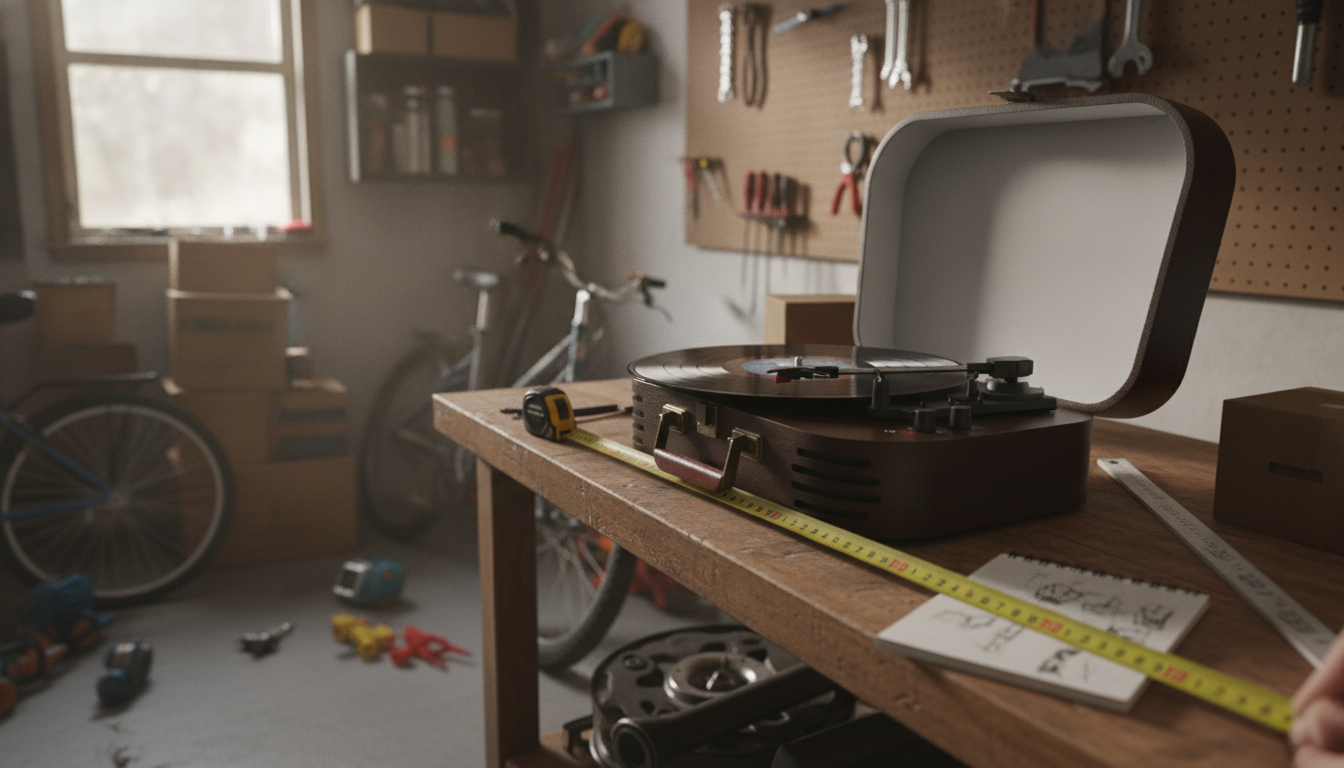
What is the size of a standard record player?
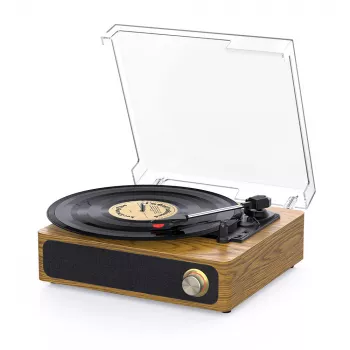
A “standard” record player (turntable) is usually designed around 12-inch vinyl records (LPs), so the footprint is typically a bit larger than a 12-inch square. Most full-size home turntables land in the range of about 16–18 inches wide, 12–15 inches deep, and 4–6 inches tall (including the dust cover when closed). If you’re measuring only the base (without the lid), height is often closer to 3–5 inches.
Typical turntable dimensions (what you’ll see most often)
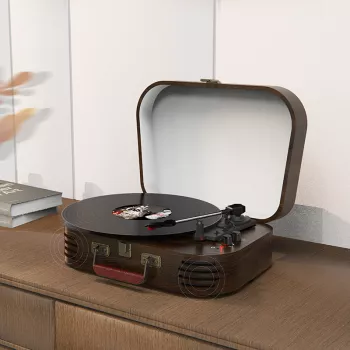
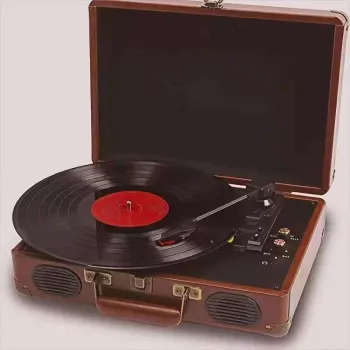
For many modern belt-drive and direct-drive models, a common “standard” size is roughly 17 inches wide by 13 inches deep. That extra room beyond the platter diameter accounts for the tonearm assembly, controls, and the outer plinth. Portable suitcase-style players can be smaller, while DJ-style units with heavier platters and added controls may be a little wider or deeper.
Why the size varies
Record players aren’t standardized the way a rack-mount component is. Size changes based on the drive type, tonearm length, whether speakers are built in, and whether the unit includes extras like Bluetooth, USB output, or multiple speed controls. Integrated-speaker turntables often add depth or height to fit speaker chambers, while minimalist audiophile decks can be flatter but still wide enough to stabilize the platter and arm.
How much space to allow on a shelf
For comfortable day-to-day use, plan for more than just the base dimensions. Leave at least 2–4 inches of clearance behind the unit for cables (RCA, power, or USB) and for opening the dust cover. If the cover hinges upward, you’ll also want enough vertical clearance so it can open fully without hitting a wall or shelf above.
Need a reference model?
If you’re comparing sizes while shopping for a versatile vintage-style 3-speed unit with modern connectivity, see the guide here: https://candoral.com/guide-vintage-3-speed-bluetooth-turntable-rca-usb-aux/.
FAQ
Will a record player fit in a standard 13-inch cube shelf?
Many full-size turntables are wider than 13 inches, so they may not fit. Measure the shelf’s interior width and depth, then compare it to the turntable’s stated dimensions and add a couple inches for cables and airflow.












Leave a comment