Rectangular Pizza Stone for Grill & Oven: Crisp Crust Tips
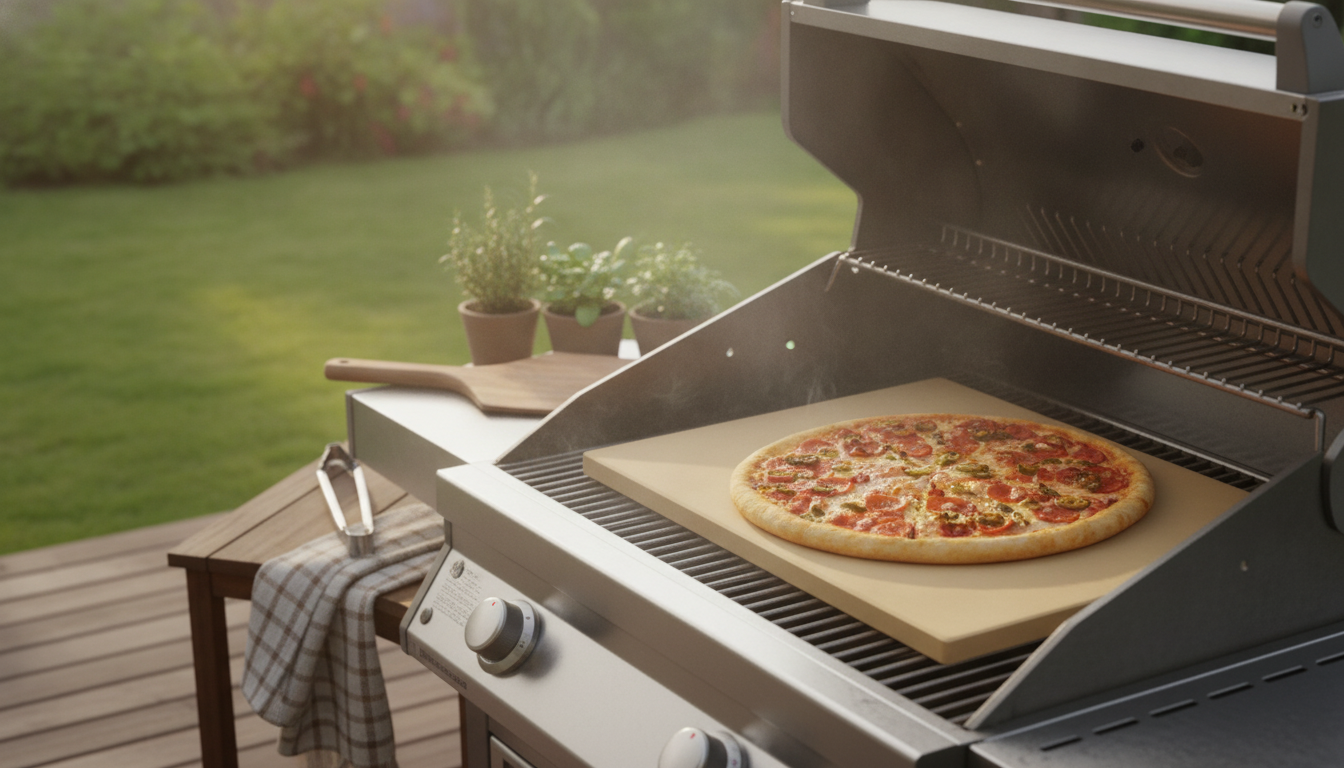
A rectangular pizza stone turns a regular oven or backyard grill into a hot, steady baking surface that helps deliver a crisp bottom, airy edges, and more even browning. The rectangular shape also fits common grill layouts and sheet-pan-style workflows, making it useful for pizza nights, flatbreads, and roasted foods.
Why a Rectangular Stone Changes Pizza Results
Great pizza is mostly heat management. A rectangular stone improves results by behaving like a thermal “battery” that stores energy during the preheat and releases it quickly into the dough when you launch your pie.
- Heat retention for better bottom browning: A fully preheated stone helps set the crust fast, so the base browns without needing extra bake time that can overcook toppings.
- Buffers temperature swings: Opening a grill lid or oven door dumps heat. The stone’s stored heat helps stabilize the surface temperature, keeping bakes more consistent across multiple pizzas.
- Moisture management: Compared with a metal pan, a hot porous stone can reduce sogginess by encouraging faster evaporation at the dough-stone contact point.
- More usable space: The rectangular footprint is practical for larger pies, multiple personal pizzas, breadsticks, or reheating several slices at once.
- Not just for pizza: Try it for flatbreads, reviving leftover slices, improving frozen pizza texture, or roasting vegetables with steadier heat from below.
Key Features to Look For in a Grill-and-Oven Stone
Not every stone behaves the same, especially when it’s asked to perform over a live flame one day and in a home oven the next. These details matter for durability and repeatable crust.
- Material: Cordierite and ceramic are common. Cordierite is frequently chosen for higher resistance to thermal shock, which is helpful when grilling.
- Thickness: Thicker stones hold heat longer; thinner stones warm faster but can cool more when a cold dough hits the surface.
- Size and clearance: Confirm it fits your grill grate or oven rack with a bit of breathing room for airflow and safe handling.
- Edge shape and finish: Smooth or beveled edges are easier on hands and pizza peels, especially when moving the stone on and off the grill.
- Temperature range: Grills often run hotter than many home ovens. Check manufacturer guidance so you don’t exceed safe limits.
- Care expectations: Stones typically aren’t meant for soap-soaking; plan on scraping and dry brushing, and expect darkened “seasoning” marks over time.
Using a Rectangular Pizza Stone on a Grill
Grilling pizza is all about controlling radiant heat and avoiding a scorched bottom before the top finishes. A stone helps, but setup is key.
- Cook with indirect heat: On gas grills, light side burners and leave the center lower or off. On charcoal, bank coals to one side. This reduces direct scorching under the stone.
- Preheat gradually: Put the stone on the grates while the grill warms, then close the lid and let the stone come up to temperature slowly.
- Use real temperature cues: Aim for a steady dome temperature; a grill thermometer is more reliable than knob positions.
- Launch quickly: Build your pizza with toppings ready to go, dust the peel lightly with flour or semolina, and minimize lid-open time.
- Rotate for hot spots: Many grills have uneven zones. A half-turn mid-bake can even out browning.
- Know when it’s done: Look for a firm, browned base and fully melted, bubbling cheese.
Using a Rectangular Pizza Stone in the Oven
Oven-baked pizza benefits from consistent preheat habits and a rack position that matches your oven’s personality.
Cooking Guide: Time and Temperature Ranges
Typical Ranges for Pizza on a Stone
| Style | Oven/Grill Temp | Approx. Time | Notes |
|---|---|---|---|
| Thin crust | 475–550°F | 6–10 min | Keep toppings light; rotate if hot spots develop |
| New York–style | 500–550°F | 7–12 min | Longer preheat helps; finish near top heat for browning |
| Pan-style on stone (in a pan) | 450–500°F | 12–18 min | Use a dark pan for more bottom color; stone acts as a steady heat base |
| Frozen pizza | 425–475°F | 10–16 min | No thawing needed; bake until center is fully hot |
Care, Cleaning, and Storage
Troubleshooting Common Pizza Stone Problems
Rectangular Pizza Stone for Grill & Oven (Product Snapshot)
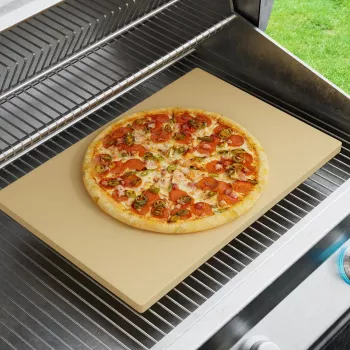
- Rectangular Pizza Stone for Grill & Oven: Designed for grill and oven use, with a rectangular footprint that fits flexible layouts—bigger pies, multiple small pizzas, or side dishes baked alongside.
- Weatherproof Heated Motorcycle Jacket: A practical cold-weather layer for riders when the season changes.
Food Safety Notes for Toppings
When using toppings like sausage, chicken, or leftovers, handle and store foods safely, and reheat thoroughly. For quick reference on safe minimum internal temperatures, see the USDA FSIS safe temperature chart. For broader temperature and holding guidance, the FDA Food Code is a helpful reference. For technique ideas on dough and baking, browse resources from King Arthur Baking.
FAQ
Can a pizza stone be used on a gas grill?
Yes, when used with indirect heat and a gradual preheat. Keep the lid closed to stabilize temperature, and avoid leaving the stone directly over the strongest flame for long stretches.
Do you need to oil a pizza stone?
Usually no. Most stones are used dry; oil can smoke at high heat and may create sticky spots. Prevent sticking by preheating fully and using a lightly dusted peel.
How long should a pizza stone preheat?
Often 30–45 minutes once the oven or grill reaches temperature, depending on thickness and heat output. The goal is a fully heated surface, not just hot air.














Leave a comment