Best Cat Trees for Older Cats: Safe, Easy Climbing
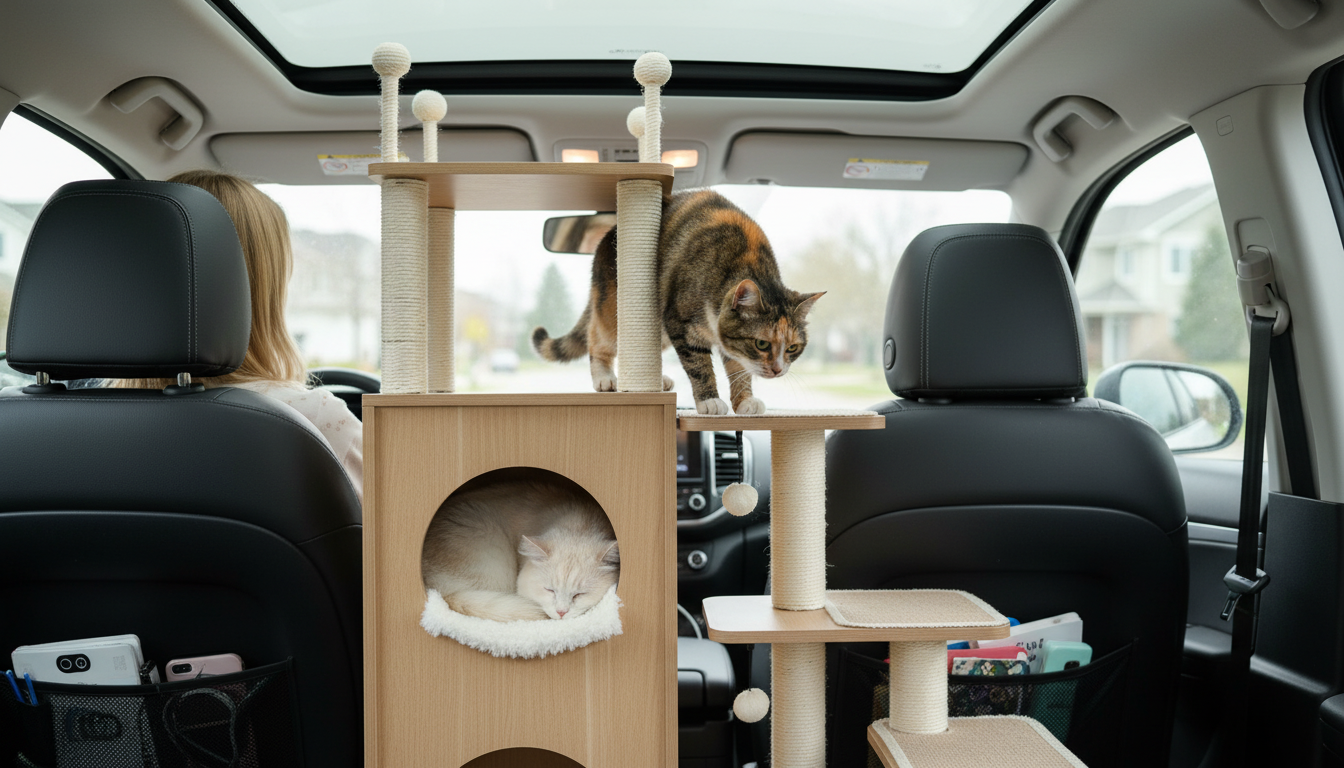
Are cat trees good for older cats?
Yes—cat trees can be great for older cats, as long as the design matches their mobility and comfort needs. Many seniors still enjoy perching, scratching, and having a dedicated spot that feels like “theirs,” but they benefit most from setups that are lower, steadier, and easier to climb.
What makes a cat tree senior-friendly?
Older cats often deal with stiffness, arthritis, reduced balance, or weaker vision. A good senior-friendly cat tree minimizes big jumps and slippery surfaces while still offering enrichment.
- Low to medium height: Shorter trees reduce the risk of awkward landings and missed jumps.
- Step-like platforms: Multiple levels that function like stairs let cats climb gradually.
- Wide, stable base: Wobble is a deal-breaker for seniors; stability boosts confidence.
- Supportive lounging spots: Hammocks and condos can work well if they’re easy to access and don’t sag too deeply.
- Grippy materials: Carpeted ramps or textured platforms help prevent slipping.
Benefits of cat trees for senior cats
A well-chosen tree can support an older cat’s daily comfort and routine. Light climbing encourages gentle movement, which may help maintain muscle tone. Scratching posts give a safe outlet for stretching and claw maintenance, and a familiar perch can reduce stress—especially in multi-pet homes where seniors may prefer a quiet, designated zone.
Potential downsides (and how to avoid them)
Tall, narrow, or “jump-heavy” cat trees can frustrate seniors or increase fall risk. Avoid steep leaps between platforms, flimsy posts, or very high top perches that require a big launch. If a favorite tree is already in the home, adding a small pet stair, ottoman, or sturdy box as a midway “step” can make access much easier.
Choosing the right setup
Look for a layout your cat can navigate confidently today—and still use comfortably as they age. For more ideas on styles like condos, hammocks, and scratch posts, see the detailed guide here: modern cat tree condos, hammocks, and scratch posts.
FAQ
Where should I place a cat tree for an older cat?
Place it near a warm, quiet area where your cat already likes to rest, and keep at least one level close to the floor. Avoid high-traffic spots and make sure there’s a stable “step” nearby if any platform requires a jump.













Leave a comment