Are New Balance Sport Shoes or Lifestyle Sneakers?
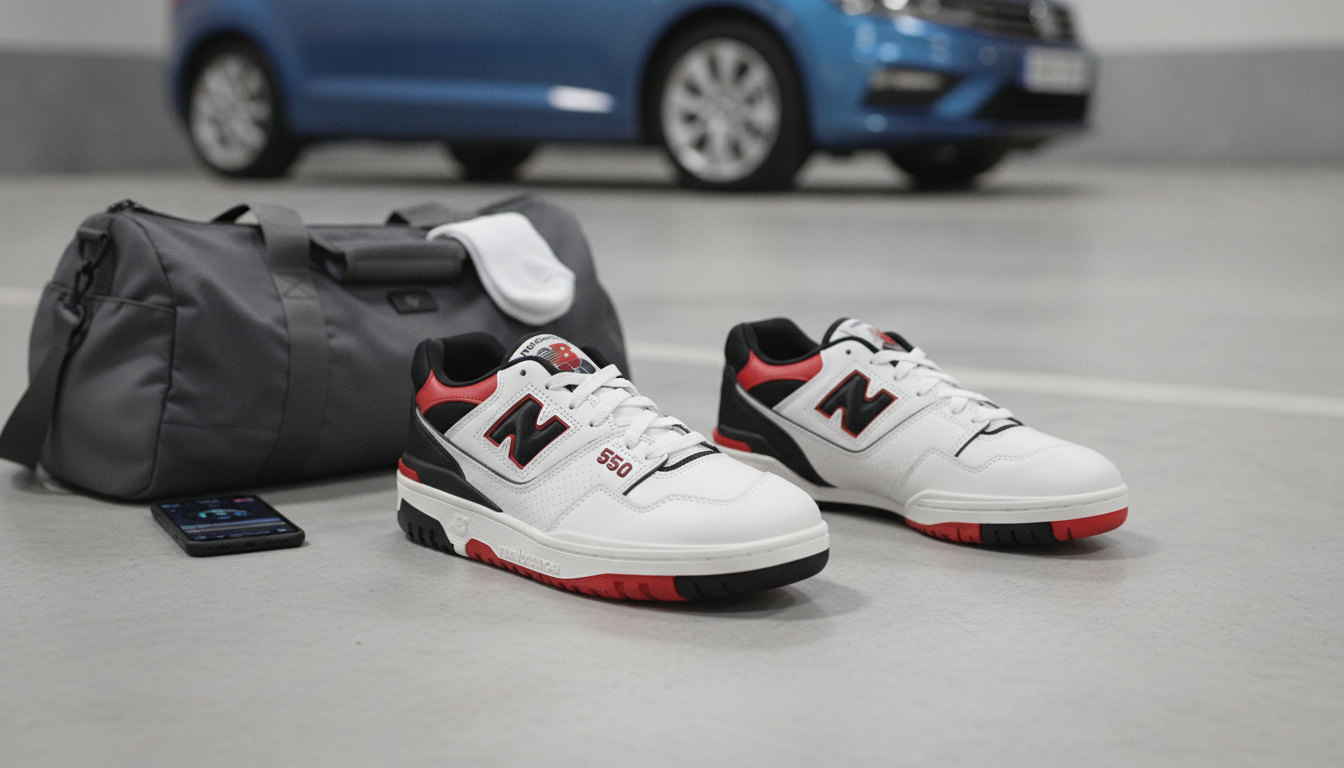
Are New Balance a sport shoe?
Yes—New Balance makes sport shoes, and many of its most recognizable models were originally designed for athletic use like running, training, basketball, tennis, and walking. The brand built its reputation on performance footwear with supportive cushioning, stable midsoles, and sizing options that suit different foot shapes.
That said, “New Balance” also covers plenty of lifestyle sneakers that are worn mainly for everyday style. Some pairs still include performance-minded features (like supportive heel structure or responsive foam), but they’re not always intended for high-impact training or competitive play. The simplest way to tell is to look at the product category (running vs. lifestyle), the outsole traction pattern, and the midsole tech listed by the manufacturer.
Sport vs. lifestyle: where do popular New Balance sneakers fit?
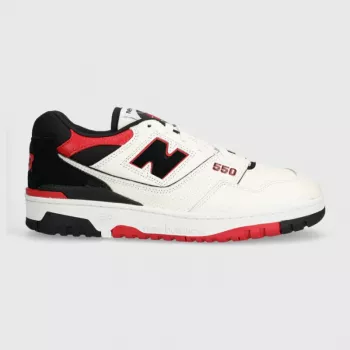
Many classics sit right on the line. For example, court-inspired shoes such as the New Balance 550 have clear athletic roots, but they’re most often worn today as casual sneakers. Their structured build and grippy rubber outsole can feel “sporty,” yet they’re typically not the best choice for distance running or intense gym workouts where specialized cushioning and flex grooves matter more.
If you’re styling or buying the 550 specifically, this guide covers fit, comfort, and care considerations in detail: New Balance 550 Red sneakers style, fit, and care guide.
How to choose the right New Balance for athletic use
Start with the activity. For running, look for a dedicated running line with engineered foam and a geometry that matches your gait. For training, prioritize lateral stability, a secure upper, and a flatter platform. For court sports, focus on a durable outsole and side-to-side support. If the shoe is labeled “lifestyle,” it can still be comfortable for walking and daily wear, but it may not provide the targeted performance features needed for sport-specific movement.
Bottom line
New Balance absolutely makes sport shoes—but not every New Balance sneaker is meant to be used as one. Match the model to the activity, and treat heritage styles like the 550 as primarily lifestyle unless you’re using them for light, casual wear.
FAQ
Are New Balance 550 good for walking?
They can be comfortable for everyday walking thanks to their supportive, structured feel, but they’re heavier and less cushioned than many modern running or walking shoes. For long-distance walks, a dedicated New Balance running or walking model may feel softer and more efficient.














Leave a comment