1500W Stainless Meat & Bone Bandsaw for Fast Portioning
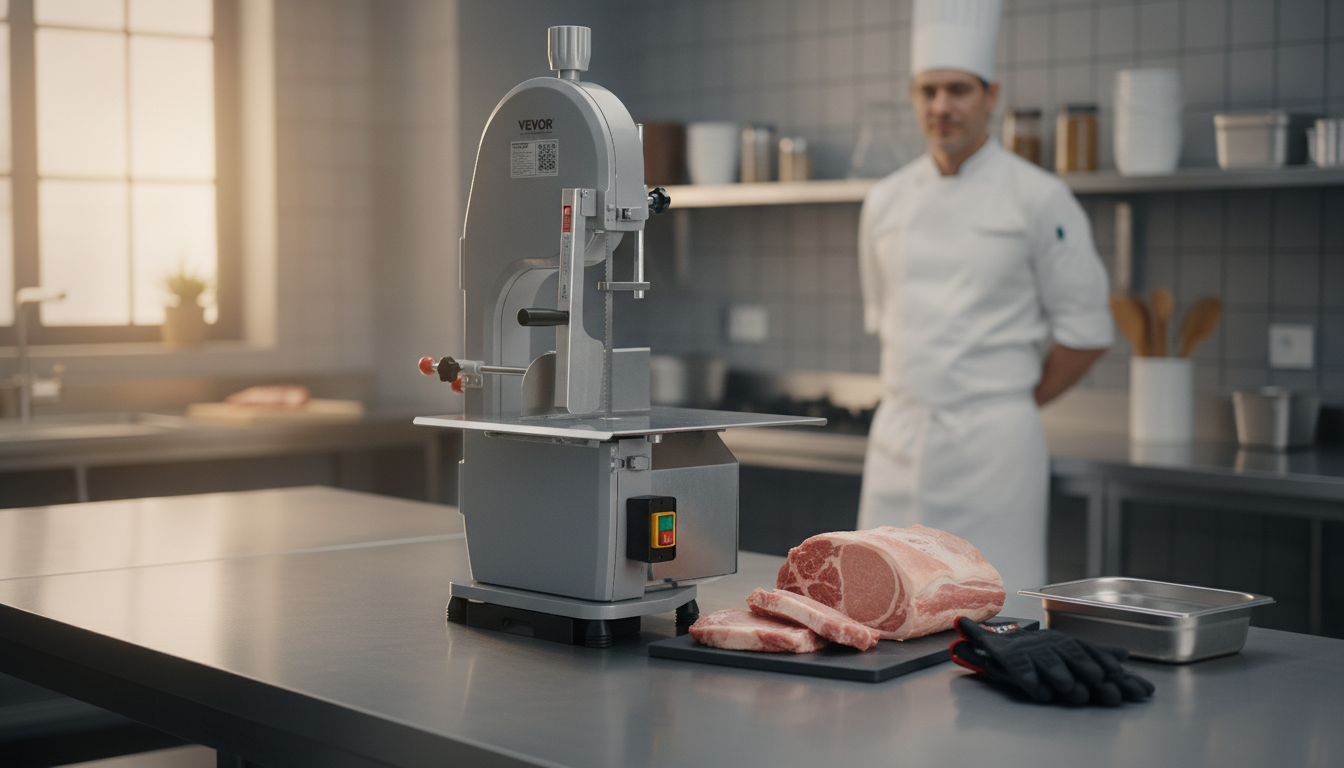
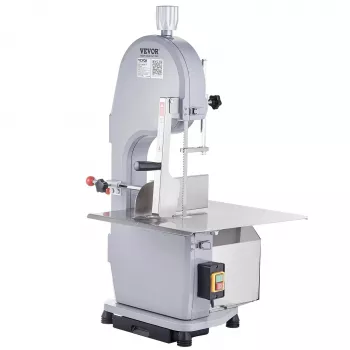
Commercial Electric Meat & Bone Cutting Bandsaw (1500W) Stainless Steel Machine
Designed for fast, consistent portioning in busy prep environments, a commercial meat and bone bandsaw helps turn large cuts into retail-ready portions with less strain and cleaner edges. This stainless steel 1500W machine is suited for butcher shops, restaurants, and processors that need repeatable cuts, easy cleanup, and dependable power for daily service.
What This Bandsaw Is Used For
A dedicated meat and bone bandsaw earns its place when speed and consistency matter, especially for bone-in proteins that are slow to portion by hand. Instead of relying on cleavers or hand saws that can splinter bone and vary from cut to cut, a commercial bandsaw supports a steadier workflow and more uniform results.
- Portioning bone-in cuts such as ribs, chops, shanks, and soup bones into uniform sizes
- Breaking down larger frozen or semi-frozen blocks of meat for faster prep (within safe operating limits)
- Producing consistent thickness cuts to improve portion control and reduce trim waste
- Supporting back-of-house workflow when a cleaver or hand saw is too slow or inconsistent
For shops selling retail packs, repeatable portion sizes can reduce customer complaints and simplify pricing. For kitchens, consistent cuts help timing on the line (bone-in portions cook more evenly when thickness is predictable).
Power, Build, and Hygiene Advantages
Commercial cutting is less about “raw power” and more about controlled power delivered consistently. A 1500W class motor helps maintain blade speed so the operator can feed product smoothly without forcing it through the blade.
- 1500W motor output supports steady blade speed to reduce binding and tearing on tougher, bone-in cuts
- Stainless steel construction helps resist corrosion and makes sanitizing easier in wet prep areas
- Designed for commercial settings where surfaces must be cleaned frequently without degrading
- More controlled cutting compared with chopping methods, improving repeatability and presentation
Hygiene is also a practical efficiency issue: easier cleaning means fewer end-of-shift delays and less residue buildup in creases and corners. For sanitation expectations, align procedures with current regulatory guidance such as USDA FSIS sanitation performance standards (9 CFR 416) and the FDA Food Code used by many local health authorities.
Specifications at a Glance
Before installing any commercial saw, confirm power, placement, and cleaning access. A well-chosen setup keeps operators safer and prevents bottlenecks during peak production.
- Confirm electrical requirements and placement before installation (dedicated circuit, stable surface, clearance)
- Match cutting capacity to typical product sizes handled daily
- Plan for cleaning access: removable components and open surfaces reduce downtime
- Keep spare blades on hand to maintain cut quality during peak service
Quick comparison of key buying checkpoints
| Checkpoint | What to verify | Why it matters |
|---|---|---|
| Motor power | 1500W class motor | Helps maintain speed through bone-in cuts and reduces stalls |
| Material | Stainless steel contact surfaces | Improves corrosion resistance and simplifies sanitation routines |
| Footprint & placement | Bench/floor space and clearance | Prevents cramped operation and supports safer handling |
| Cleaning access | Tool-less or simple disassembly areas | Shortens end-of-shift cleanup and reduces residue buildup |
| Blade management | Blade availability and tensioning method | Sharp, properly tensioned blades cut straighter and safer |
Cut Quality and Consistency Tips
Even a powerful saw can produce rough results if the blade, temperature, or setup is off. Small adjustments often make the difference between clean retail cuts and ragged edges.
- Use the correct blade type and tooth pattern for bone-in vs. boneless products to reduce ragged edges
- Keep products evenly chilled; overly soft meat can smear, while overly hard frozen blocks can stress the blade
- Let the saw do the work—steady feed pressure helps maintain a straight cut line
- Calibrate guides and fences regularly to keep thickness consistent across batches
Operationally, consistency improves when one person “owns” setup checks at the start of each shift (guide alignment, fence squareness, blade condition). This quick routine can prevent drift that otherwise becomes noticeable only after a stack of portions is already cut.
Safety Practices for Daily Operation
Meat bandsaws demand disciplined habits. The safest shops treat procedures as non-negotiable: correct guarding, clean floors, and no improvising around the blade path.
- Train operators on safe hand positions, use of push tools, and avoiding loose sleeves or gloves near the blade
- Verify guards are installed and adjusted before each shift; never bypass safety components
- Keep the cutting area dry and uncluttered to prevent slips and sudden contact with the blade path
- Power down and unplug (or lock out) before blade changes, cleaning, or clearing jams
For lockout/tagout requirements and best practices during servicing and cleaning, reference OSHA’s Control of Hazardous Energy (29 CFR 1910.147).
Cleaning and Maintenance Routine
Daily cleanup protects both food safety and machine life. Residue left on guides, wheels, and contact surfaces can harden, harbor bacteria, and shorten blade performance.
Who This Machine Fits Best
Available Products
- Commercial Electric Meat & Bone Cutting Bandsaw 1500W Stainless Steel Machine
- Scandinavian Modern Luxury TV Stand
FAQ
Can a commercial meat bandsaw cut through frozen meat and bone?
Many commercial units can handle frozen or semi-frozen product depending on thickness, blade type, and the machine’s rated limits. Use the correct blade and feed steadily to avoid binding, and follow the manufacturer’s guidance for what “frozen” conditions are acceptable.
How often should the blade be replaced?
Replace the blade when you see wandering cuts, burn marks, increased feeding effort, or fraying—these are common signs the blade is dull or damaged. Replacement frequency depends on volume and whether you cut mostly bone-in or boneless products, so keeping spare blades and tracking change intervals helps maintain consistent results.
What is the safest way to clean a meat and bone bandsaw?
Power down and unplug the machine (or follow lockout/tagout procedures), then remove accessible components for wash, rinse, and sanitizing. Avoid spraying motors and electrical areas, and fully dry surfaces and parts before reassembly to reduce corrosion and help prevent contamination.














Leave a comment