6.5L Smart LCD Air Fryer: Touch Presets, Crisp Results
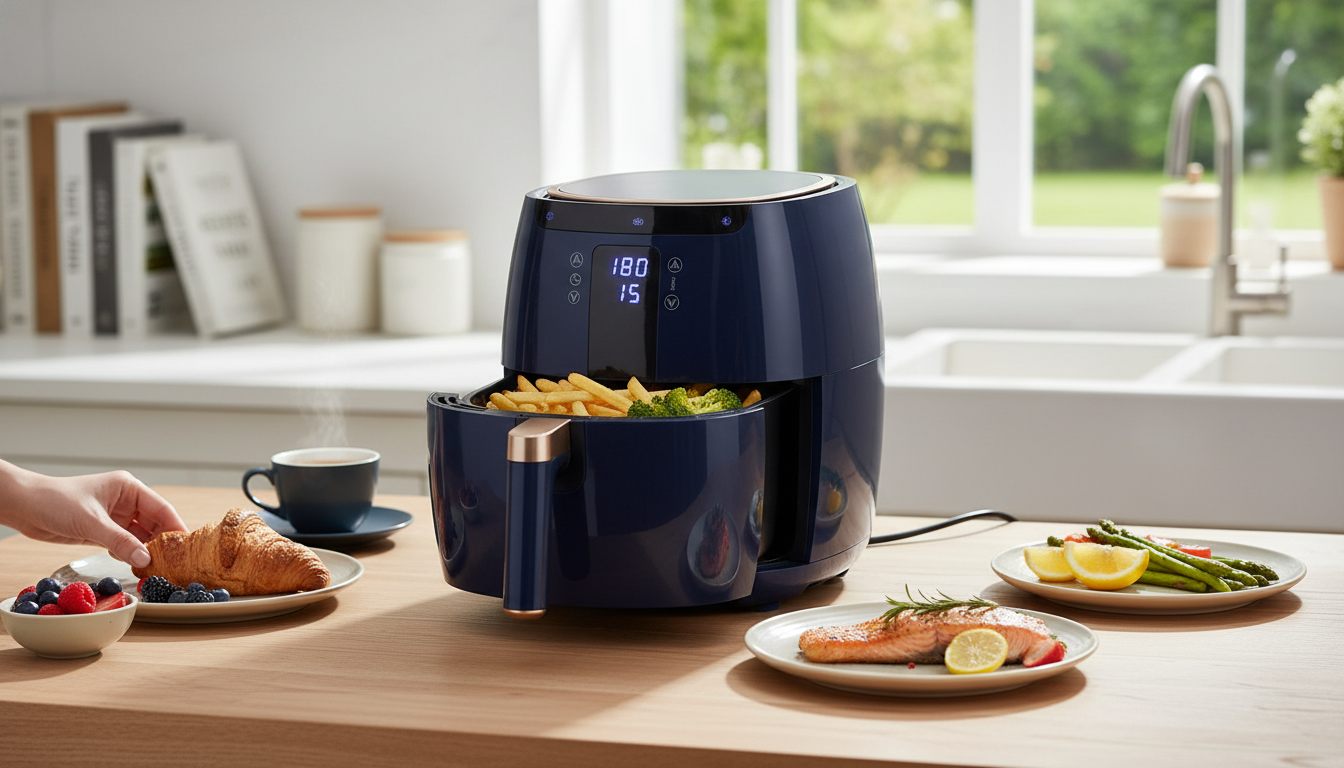
6.5L Smart LCD Fully Automatic Air Fryer with Touch Control
A 6.5L air fryer built for hands-off everyday cooking, combining a smart LCD display, touch controls, and multi-function programs to help deliver crisp results with less oil, less monitoring, and easier cleanup. It’s a practical fit for busy weeknights, small-batch roasting, and reheating leftovers without turning on a full-size oven.
What Makes This 6.5L Smart LCD Air Fryer Different
Day-to-day cooking gets easier when the appliance does more of the “remembering” for you. Fully automatic programs help reduce guesswork on common foods, while the smart LCD keeps key info visible at a glance.
- Fully automatic programs designed to reduce guesswork for common foods
- Smart LCD screen for clear visibility of time and temperature
- Touch control panel for fast adjustments mid-cook
- 6.5L capacity suited to families, batch cooking, and meal prep
- Multi-functional cooking for frying-style crisping, roasting, reheating, and more
For everyday convenience, the biggest upgrade is control: quick taps to adjust time and temperature without fiddly knobs, plus a clear display that’s easy to read from across the kitchen.
Capacity and Fit: Who the 6.5L Basket Works Best For
A 6.5L basket is often the “sweet spot” for households that want room to cook dinner portions without taking up as much space as oversized appliances. Exact capacity depends on how much airflow your food needs.
- Comfortable portion range for 2–5 people depending on the dish
- Helpful for cooking a main and sides in back-to-back batches
- Better airflow and browning when food is arranged in a single layer
- Ideal use cases: wings, fries, vegetables, frozen snacks, small roasts, and reheating leftovers
- Countertop considerations: leave clearance around vents and keep away from overhead cabinets when running
As a rule, flatter foods (fries, nuggets, veggies) should be spread out. If food is piled too high, the outside can brown before the center heats through, and you’ll miss out on that signature crisp finish.
Touch Controls and Smart LCD: Everyday Advantages
Touch controls aren’t just about style—they make small corrections easy. That matters when you notice browning faster than expected or when frozen foods vary by brand and thickness.
- One-tap program selection for repeatable results
- Precise time/temperature changes without interrupting the workflow
- Clear, glanceable status during cooking (time remaining, set temperature)
- Useful for shared kitchens where multiple people cook and need simple controls
- Consistency improvement when cooking frozen foods with minor adjustments
For weeknight routines, the ability to make quick mid-cook tweaks is the difference between “almost perfect” and “exactly how you like it.”
Multi-Functional Cooking Modes to Use Most Often
Many households end up using the same few air fryer tasks repeatedly. The most-used modes tend to be crisping, roasting, and reheating—especially when speed matters.
- Crisp cooking for fries, wings, breaded items, and frozen appetizers
- Roasting vegetables and proteins with better browning than many ovens on small batches
- Reheating pizza, fried foods, and leftovers to restore texture
- Quick cooking for weeknight meals where preheating a full oven feels excessive
- Finish-and-crisp step after microwave heating (warm first, then crisp briefly)
If reheating is a priority, lower temperatures for a few minutes can bring back a crisp exterior without drying the inside—especially for pizza slices and leftover fried foods.
Quick Settings Guide for Common Foods
Use these as starting points, then adjust for thickness, load size, and preferred crispness. For best results, avoid overcrowding and shake or flip once for more even browning.
| Food | Temperature | Time | Notes |
|---|---|---|---|
| Frozen fries | 200°C / 390°F | 12–18 min | Shake halfway; cook in single layer |
| Chicken wings | 200°C / 390°F | 18–25 min | Flip halfway; drain fat if needed |
| Chicken breast (boneless) | 190°C / 375°F | 12–18 min | Check internal temp; rest 3–5 min |
| Salmon fillet | 190°C / 375°F | 8–12 min | Light oil; avoid overcooking |
| Mixed vegetables | 190°C / 375°F | 10–16 min | Toss with oil and seasoning; shake halfway |
| Reheat pizza slice | 160°C / 320°F | 3–6 min | Lower temp keeps cheese from over-browning |
For poultry and larger cuts, confirm doneness with safe internal temperatures from the USDA and use a thermometer for accuracy.
USDA Food Safety and Inspection Service: Safe Minimum Internal Temperatures
How to Get Even Crisping (Without Drying Food Out)
Cleaning and Care for Long-Term Performance
U.S. Consumer Product Safety Commission (CPSC): Home Kitchen Safety
Common Issues and Simple Fixes
Product Details and Where to Buy
Product: 6.5L Smart LCD Fully Automatic Air Fryer – Touch Control, Multi-functional Cooking Companion
More In-Stock Picks
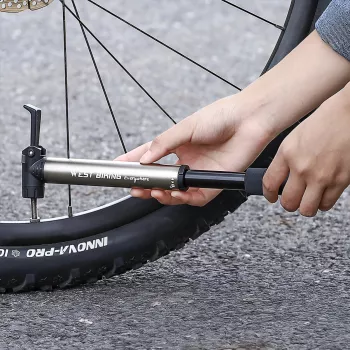
- 80 PSI Portable Bike Pump with Dual Valve & Tool Kit
- Carbon Fiber–Style Steering Wheel Cover with Honeycomb Anti-Slip Grip
FAQ
Does an air fryer need preheating?
Preheating helps most when cooking raw proteins or fresh potatoes because it improves browning and can shorten cook time. For many frozen foods and simple reheating, it’s often optional, but a quick 2–4 minute preheat can still boost crispness.
How much food can a 6.5L air fryer cook at once?
It depends on the food and whether you can keep it in a single layer for airflow. A 6.5L basket can handle a family-size batch of wings or vegetables, but fries and nuggets may need two rounds if you want the crispiest results without stacking.
How is an air fryer different from a convection oven?
An air fryer typically moves hot air more intensely in a smaller cavity, so it heats faster and can crisp small batches more efficiently. A convection oven can still be better for large trays or multiple dishes at once, but it often takes longer to preheat and cook smaller portions.














Leave a comment