Bluetooth 5.4 Earbuds: 75H Battery, ENC Calls, IPX7
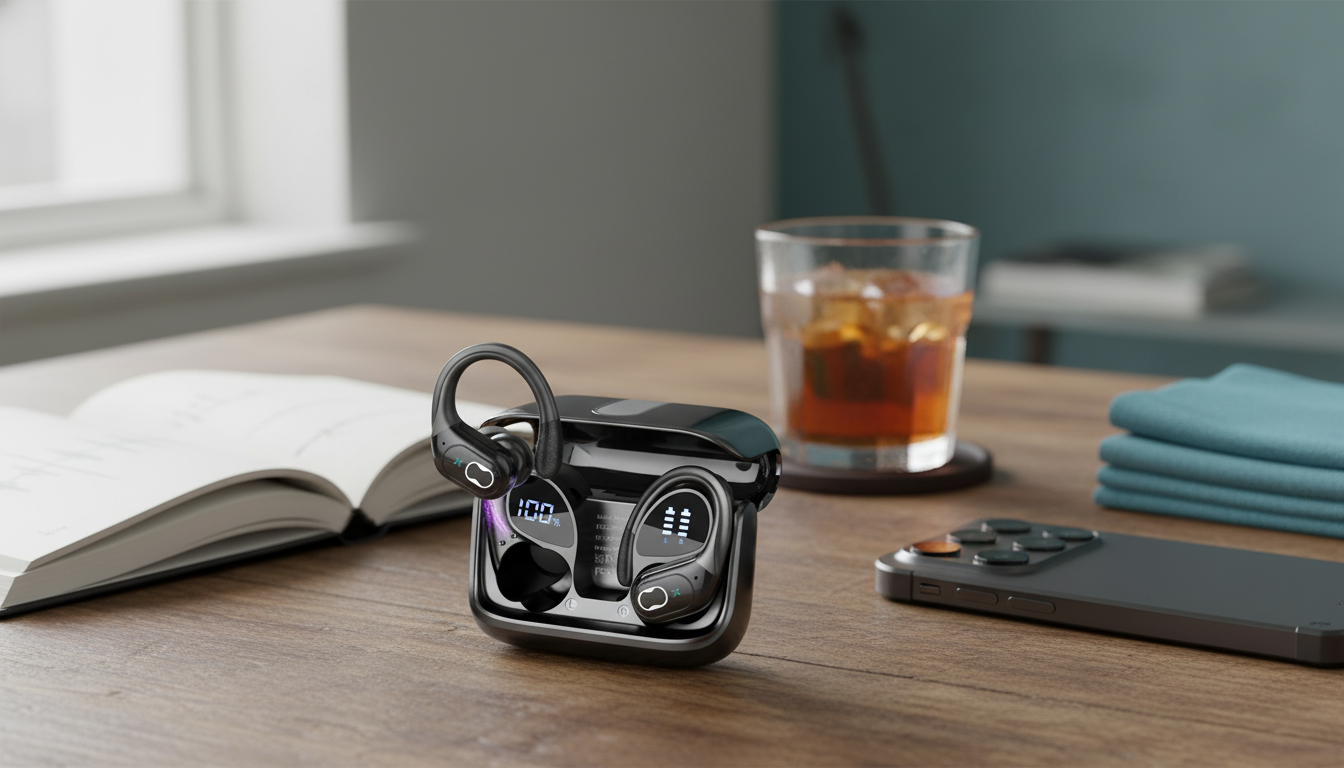
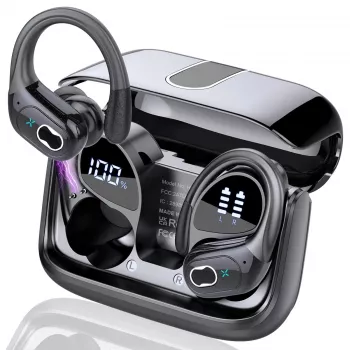
Wireless Earbuds with Bluetooth 5.4, 75H Playtime, ENC Mic, IPX7 Waterproof: Everyday Audio That Keeps Up
Reliable wireless earbuds should handle commutes, workouts, and calls without constant charging or connection hassles. The best experience comes down to a few practical factors: connection stability (especially in busy areas), battery life that matches how you actually listen, microphones that keep your voice intelligible, a fit that stays put, and water resistance that stands up to sweat and rain. Below is a straightforward guide to what these features do, what to expect day to day, and small habits that help you get consistent performance. For more guidance, see Reviews by regancipher – Head-Fi.
Quick specs at a glance
- Bluetooth 5.4 for modern connectivity and efficient power use
- Up to 75 hours total playtime with the charging case (usage varies by volume and features)
- ENC microphone support to help reduce background noise on calls
- IPX7 water resistance for sweat and rain-ready use (not for swimming)
- Designed for daily listening, travel, and exercise
Feature overview
| Feature | What it does | Why it matters day to day |
|---|---|---|
| Bluetooth 5.4 | Wireless connection standard | Helps maintain stable pairing and efficient battery usage |
| 75H playtime (with case) | Total listening time across charges | Fewer plug-ins during the week; better for travel |
| ENC mic | Filters some environmental noise on calls | Clearer voice in streets, offices, and public transit |
| IPX7 waterproof rating | Resistance to water exposure | Better durability for workouts and wet weather |
| Charging case | Stores and recharges earbuds | Portable power and protection in a pocket or bag |
Bluetooth 5.4: stable pairing and smoother switching
Bluetooth 5.4 is the underlying connection standard that helps earbuds stay reliably paired and responsive as you move through real-world environments. After the first setup, most users can expect quick reconnect behavior—open the case, and the earbuds typically rejoin your phone without extra tapping. For further reading, see OHPL Application – Digital Commons@Kennesaw State.
- Expect quick pairing after the first setup, with automatic reconnect when the case opens.
- Better efficiency can translate into longer time between charges, especially at moderate volume.
- For fewer dropouts: keep the phone on the same side as the primary earbud when in crowded areas.
- If audio stutters: toggle Bluetooth off/on, forget the device, then re-pair for a clean connection.
If you like the “why” behind the spec, the Bluetooth SIG maintains the official Bluetooth Core Specification, which outlines how Bluetooth versions evolve over time: Bluetooth Core Specification (Bluetooth SIG).
Battery life: making “75 hours” work in real life
“75 hours” is a total-playtime figure that assumes you’re using the charging case to refill the earbuds multiple times. In daily use, the case is what keeps you from hunting for outlets—especially if you listen in shorter bursts across workdays.
- Total playtime is usually measured with the case topping up the earbuds multiple times.
- Volume level, call time, and noise-processing features can reduce runtime.
- Practical routine: top up the case every few days; use short “case breaks” to extend long listening sessions.
- Battery-saving habits: lower volume slightly, pause playback when not listening, and store earbuds in the case to prevent drain.
A helpful mindset: treat the case like a power bank for your ears. Even a quick return to the case while you refill your water bottle or switch tasks can stack up into noticeably longer all-day performance.
Call quality with ENC mic: what to expect and how to improve it
ENC (Environmental Noise Cancellation) for microphones aims to make your voice easier to hear by reducing steady background sounds. It’s especially useful when you’re talking near traffic, in an office with HVAC hum, or during transit where constant noise can mask speech.
- ENC is designed to reduce steady background sounds so the voice stands out more clearly.
- Best-case environments: indoor rooms, moderate street noise, commuting with controlled wind exposure.
- Wind tip: turn your head so the mic side is shielded, or move to a sheltered spot for important calls.
- Phone settings: confirm the earbuds are selected for both audio output and input; test in a voice memo before a meeting.
IPX7 water resistance: workouts, rain, and care basics
For a deeper look at what IP ratings represent in general, the IEC provides the reference framework for the IP code: IEC 60529 IP Code overview (International Electrotechnical Commission).
Fit and comfort: small tweaks that boost sound and stability
Who these earbuds suit best
Setup and daily use checklist
In-stock picks to bundle with your routine
- Wireless Earbuds with Bluetooth 5.4, 75H Playtime, ENC Mic, IPX7 Waterproof
- Modern Nightstand with Storage – 2 Fabric Drawers, Wood Top, Steel Frame (easy bedside charging + storage)
- Bamboo Breakfast Tray with Folding Legs for Sofa Bed, Adjustable Serving Laptop Desk (a simple lap desk for calls and playlists)
FAQ
Does IPX7 mean the earbuds can be used for swimming?
No. IPX7 supports water resistance for sweat, rain, and brief accidental exposure, but it’s not intended for swimming or showering, and you should never charge the earbuds while they’re wet. Wipe them down after workouts and let them fully air-dry before placing them back in the case.
How is the 75 hours of playtime measured?
It’s measured as total listening time when the charging case recharges the earbuds multiple times. Real-world results vary based on volume, how often you take calls, and whether audio processing features are active, so expect the total to shift with your routine.
Why do callers sometimes hear background noise even with ENC?
ENC can reduce certain steady noises, but it can’t remove everything—especially wind gusts or sudden loud sounds close to the mic. For better results, shield the mic from wind, confirm the earbuds are selected as the call input device, and re-pair if the connection or mic routing seems glitchy.















Leave a comment