Cordless Wall-Climbing Pool Robot: Features & Routine
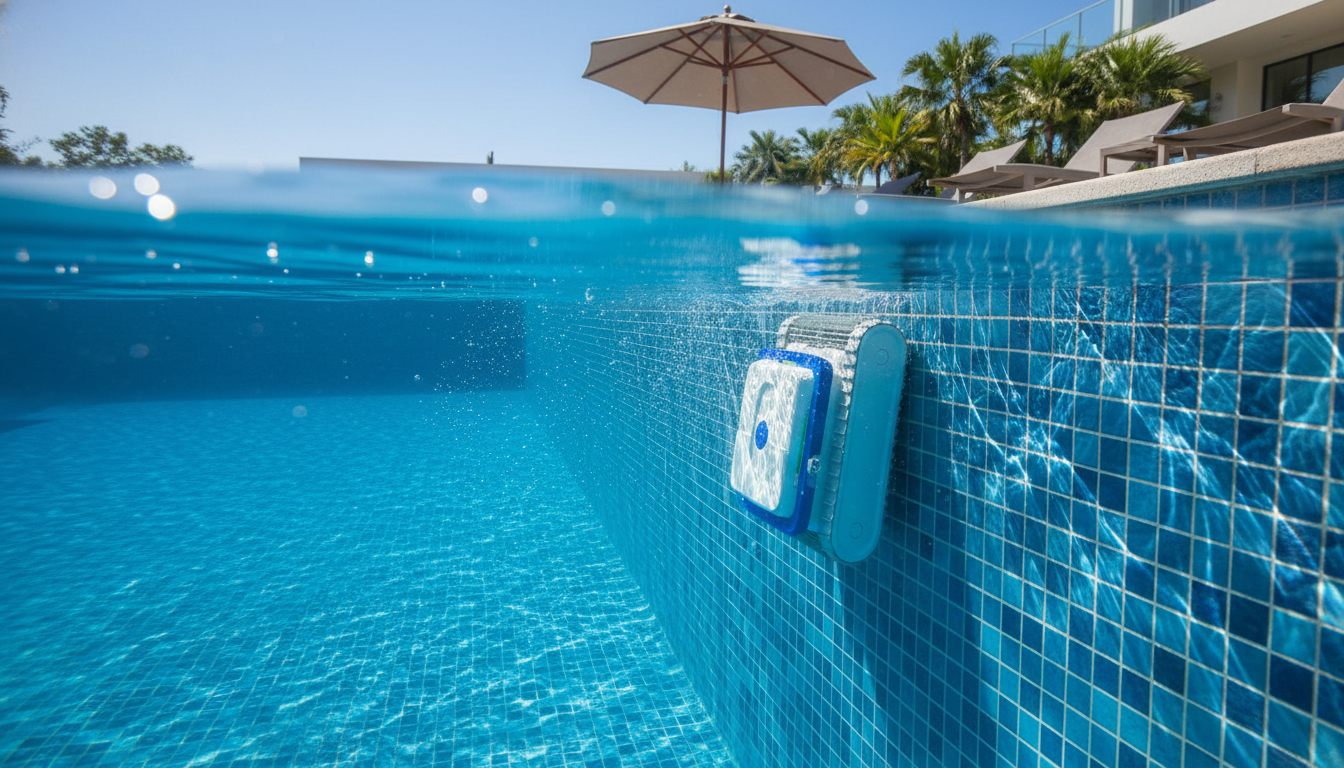
Advanced Cordless Underwater Robot Pool Cleaner with Wall-Climbing Capability
A cordless robotic pool cleaner can cut daily maintenance time by handling routine debris pickup and surface scrubbing with minimal setup. This guide breaks down what to expect from an advanced cordless underwater robot that climbs walls, how it fits into regular pool care, and what to check before each cleaning cycle.
What Makes a Cordless Wall-Climbing Pool Robot Different
Cordless operation keeps the pool deck cleaner and eliminates the frustration of cable tangles during a cycle. Because the robot is self-contained, it doesn’t rely on a long floating cord that can snag on ladders, corners, or pool features. For many pools, that alone makes quick weekday cleaning feel much more “set it and forget it.”
Wall-climbing capability is the other major differentiator. Dirt and oils often accumulate on vertical surfaces and near the waterline, especially in high-use seasons. A robot that can climb helps reduce how often you need to manually brush walls, and it can support a more consistent clean between deeper maintenance sessions.
Most underwater robots combine three actions into one pass: suction to pull in debris, brushing to loosen fine grit and film, and internal filtration to trap what’s collected. That filtration is important because it means the robot can gather leaves, sand, and fine debris without requiring you to run the pool pump strictly for manual vacuuming.
Where It Helps Most: Pools, Surfaces, and Common Messes
Day-to-day, a robotic cleaner is most valuable for the “constant” mess: leaves, insects, dust, sand, and small twigs (exact performance depends on filter design and your pool conditions). For the best results after storms, it helps to do a quick pre-skim so the robot isn’t forced to chew through heavy leaf piles that can overload the intake and fill the filter immediately.
Robots shine as part of a routine upkeep loop: skim, test and adjust chemistry, run the robot, then rinse the filter. They’re not a replacement for good water balance or periodic manual detail work (like brushing tight corners, checking the waterline, and maintaining your pool filter system), but they can drastically reduce the frequency and effort of those tasks.
Before purchasing any wall-climbing unit, confirm surface compatibility. Pool finishes vary—plaster, vinyl liner, fiberglass, and tile all have different traction and abrasion considerations. A robot’s brush material and traction system should be appropriate for your finish so it climbs reliably without being overly aggressive.
Core Features to Look For in an Advanced Cordless Robot
Not all cordless wall-climbers behave the same. The details below tend to separate a robot that gets used weekly from one that ends up parked in storage.
Feature Checklist for Day-to-Day Convenience
| Feature | Why it matters | What to check before checkout |
|---|---|---|
| Cordless battery system | Faster setup and fewer trip hazards | Runtime aligns with pool size; clear charging process |
| Wall-climbing traction | Cleans vertical surfaces and reduces brushing time | Surface compatibility; stable climb behavior |
| Internal filtration | Captures debris without relying on pool pump | Filter access is easy; rinse time is short |
| Navigation/coverage pattern | More even cleaning with fewer missed spots | Cycle options and coverage claims |
| Serviceability | Lower hassle across seasons | Replaceable wear parts; clear care instructions |
Wall traction and stability come down to grip and balance. A well-balanced robot is less likely to “peel off” walls mid-climb or struggle at transitions between floor and wall. Filtration design matters just as much: top-access, easy-rinse baskets or cartridges remove friction from regular cleanouts, which helps maintain suction and consistent performance.
Navigation is another practical differentiator. Smarter coverage logic can reduce missed patches and limit repeated passes over the same area. Finally, consider battery runtime and charging speed. If your pool needs longer cycles, you’ll want a robot that can finish without fading late in the run.
Typical Cleaning Routine and Best Practices
Building a repeatable routine prevents most “why didn’t it clean well?” moments.
For pool chemical safety basics—especially when shocking or adjusting sanitizer—follow public guidance like the CDC’s Healthy Swimming: Pool Chemical Safety.
Wall-Climbing Performance: What Affects Results
For broader pool safety guidance, including supervision and drowning prevention basics, review the U.S. Consumer Product Safety Commission’s pool and spa safety information.
Care, Storage, and Battery Longevity
Recommended In-Stock Picks
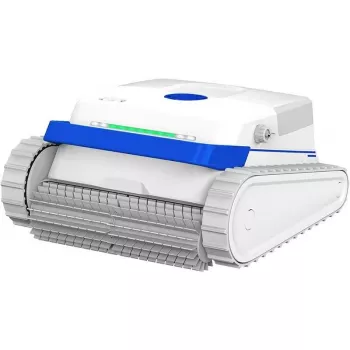
- Advanced Cordless Underwater Robot Pool Cleaner with Wall-Climbing Capability — A hands-off option for routine floor and wall cleaning with cordless convenience.
- Bamboo Breakfast Tray with Folding Legs for Sofa Bed, Adjustable Serving Laptop Desk — A practical poolside surface for test kit notes, a drink, or a towel while the robot runs.
Product Snapshot
| Item | Detail |
|---|---|
| Product | Advanced Cordless Underwater Robot Pool Cleaner with Wall-Climbing Capability |
| Price | 1414.99 USD |
| Availability | In stock |
FAQ
Can a cordless robot pool cleaner climb walls and still clean the pool floor effectively?
Yes—wall climbing complements floor cleaning by expanding coverage to vertical surfaces while still maintaining routine pickup on the pool bottom. Traction depends on surface type and how slick the walls are (algae or biofilm can reduce grip), and a heavily loaded filter can lower suction and climbing strength. Keeping water balanced and rinsing the filter regularly helps maintain consistent results.
How often should the filter be cleaned on an underwater robotic pool cleaner?
Rinse the filter after each cleaning cycle to keep suction strong and prevent odors. During heavy debris periods (storms, nearby trees, spring opening), it may need a quick rinse mid-cycle or between back-to-back runs. A clogged filter can reduce pickup performance and wall-climbing ability.
Is it safe to run a robotic pool cleaner while people are swimming?
It’s best to keep swimmers out while the robot is operating for safety and to avoid interfering with coverage. Follow general pool safety practices and always defer to the manufacturer’s instructions for your specific model.















Leave a comment