Organize Your Closet by Outfit for Effortless Daily Style
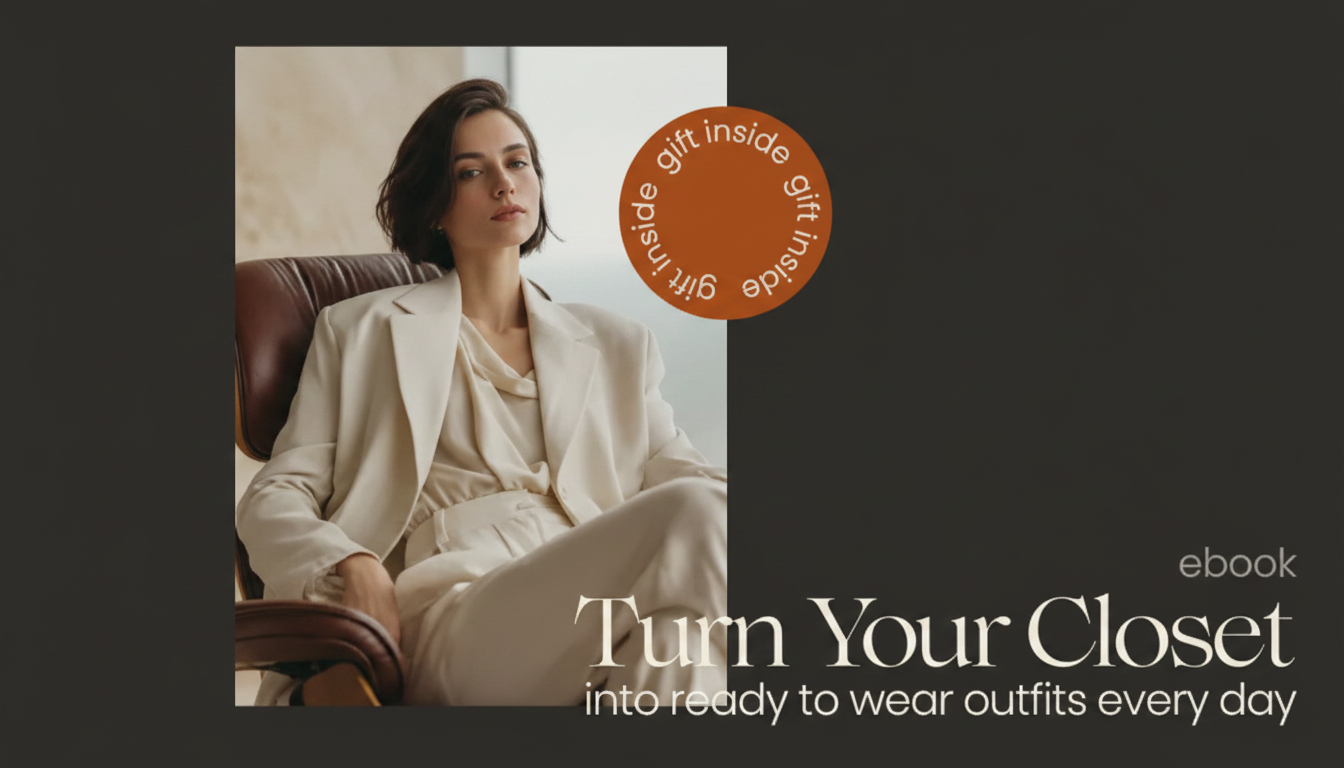
Turn Your Closet Into Ready-to-Wear Outfits Every Day
A closet that’s organized by outfit (not just by item type) makes mornings faster, reduces repeat buying, and helps every piece earn its place. The goal is simple: create a system where complete looks are easy to grab for work, errands, events, and downtime—without digging, overthinking, or starting from scratch. If you’ve ever had plenty of clothes but still felt stuck, this approach replaces “more options” with “better options,” already assembled and ready to go. For more guidance, see [PDF] The Curated Closet Discover Your Personal Style A – extnag.tacc ….
What “organized by outfit” really means
Most closets are organized by categories (all jeans together, all tops together). Outfit-based organization flips that logic so dressing becomes a quick pick, not a scavenger hunt. For further reading, see How To Start A Capsule Wardrobe (with Colors & Patterns).
- Group complete looks together: Store clothing so a top + bottom + layer + shoes + accessories live as a set, not scattered across the closet.
- Rely on repeatable outfit formulas: Create a small menu of combinations that work reliably (for example: knit top + tailored pants + blazer; tee + jeans + jacket). Your closet becomes a “formula library.”
- Make what you own visible: When outfits are grouped, duplicates (three nearly identical black tees), gaps (no comfortable shoes for work outfits), and rarely-worn items show up immediately.
- Create a quick-grab zone: Keep the week’s most likely outfits in a prime spot; everything else can live in a secondary area.
For extra inspiration on closet zones and layout ideas, Good Housekeeping’s guide to closet organization ideas can help you visualize what’s possible even in tight spaces.
Set up for success in 30–60 minutes
This doesn’t require a full-day overhaul. A short, focused setup session is enough to get traction.
- Clear a staging area: Use a bed or open floor space where you can lay out full outfits and see them as a unit.
- Gather basic tools: Slim hangers, a few small bins, and one “maybe” bag for pieces that need tailoring, repair, or a decision later.
- Do a fast reset first: Remove empty hangers, turn all hangers the same direction, and return anything obviously out of place. This makes the next steps smoother.
- Choose lifestyle categories that match real life: Pick 3–5 that reflect your actual week (work, casual, gym, dressy, travel), not an aspirational fantasy calendar.
If you want a simple, proven framework for narrowing categories and editing efficiently, the principles behind the KonMari Method are a helpful mindset anchor: keep what supports your life now, not what guilt says you “should” wear.
Build outfit groups that actually get worn
Outfit organization only works when the outfits are realistic. Prioritize comfort, fit, and routine—then make the system easy to maintain.
Outfit Station Plan (simple layout that supports daily dressing)
| Zone | What goes there | How many outfits to keep ready | Best for |
|---|---|---|---|
| Today/Tomorrow Rail | 1–2 complete outfits with shoes and accessories chosen | 1–2 | Fast mornings, busy weeks |
| Work Outfit Section | Ready-made work looks grouped together | 3–7 | Office days, meetings, client calls |
| Casual Uniform Section | Reliable everyday combos (tee + jeans + layer, etc.) | 3–5 | Errands, school runs, weekends |
| Dressy/Occasion Section | Event outfits plus clutch, shapewear, or special accessories | 1–3 | Weddings, dinners, parties |
| Seasonal Swap Bin | Off-season pieces and backups | As needed | Small closets, fewer decisions |
Smart wardrobe planning: fill gaps without overbuying
For a straightforward, step-by-step baseline on sorting and keeping your closet functional, The Spruce offers a clear guide on how to organize a closet that pairs well with an outfit-first approach.
Keep it effortless: maintenance habits that prevent closet drift
eBook guide: a step-by-step system for ready-to-wear outfits
If you want a structured method you can follow (and repeat each season), the Turn Your Closet Into Ready to Wear Outfits Every Day eBook guide walks through grouping clothing into wearable outfits, planning rotations, and building outfit formulas that make daily dressing feel automatic. It’s especially useful for small closets, busy schedules, travel prep, and anyone rebuilding style after a life change.
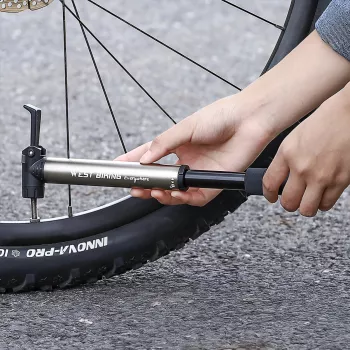
To support the lifestyle categories you create, a couple of practical add-ons can make routines smoother: if cycling is part of your “gym/travel” rotation, the 80 PSI Portable Bike Pump with Dual Valve & Tool Kit is an easy grab for commutes or weekend rides; if driving is a big part of your day, the Carbon Fiber–Style Steering Wheel Cover with Honeycomb Anti-Slip Grip adds comfort for the in-between moments when you’re moving from outfit to outfit.
FAQ
How many ready-to-wear outfits should be prepped at a time?
Aim for 5–10 dependable outfits spread across your main lifestyle categories, with 1–2 staged for immediate wear in a “Today/Tomorrow” spot. Adjust based on how often you do laundry and how many days you need work-ready looks.
What if one item belongs to multiple outfits?
Give the item a “home” outfit group based on where it’s worn most often, then keep a simple note (or an alternate hook) to remind you of the other pairings. This prevents the piece from floating around and breaking several outfits at once.
How does organizing by outfit help reduce shopping?
It makes gaps and duplicates obvious, so purchases become targeted instead of random. When buying is tied to completing two or more ready-to-wear outfits, fewer items enter the closet without a clear role.











Leave a comment