Pocket DAB/DAB+ FM Radio with Bluetooth & MP3 + LCD
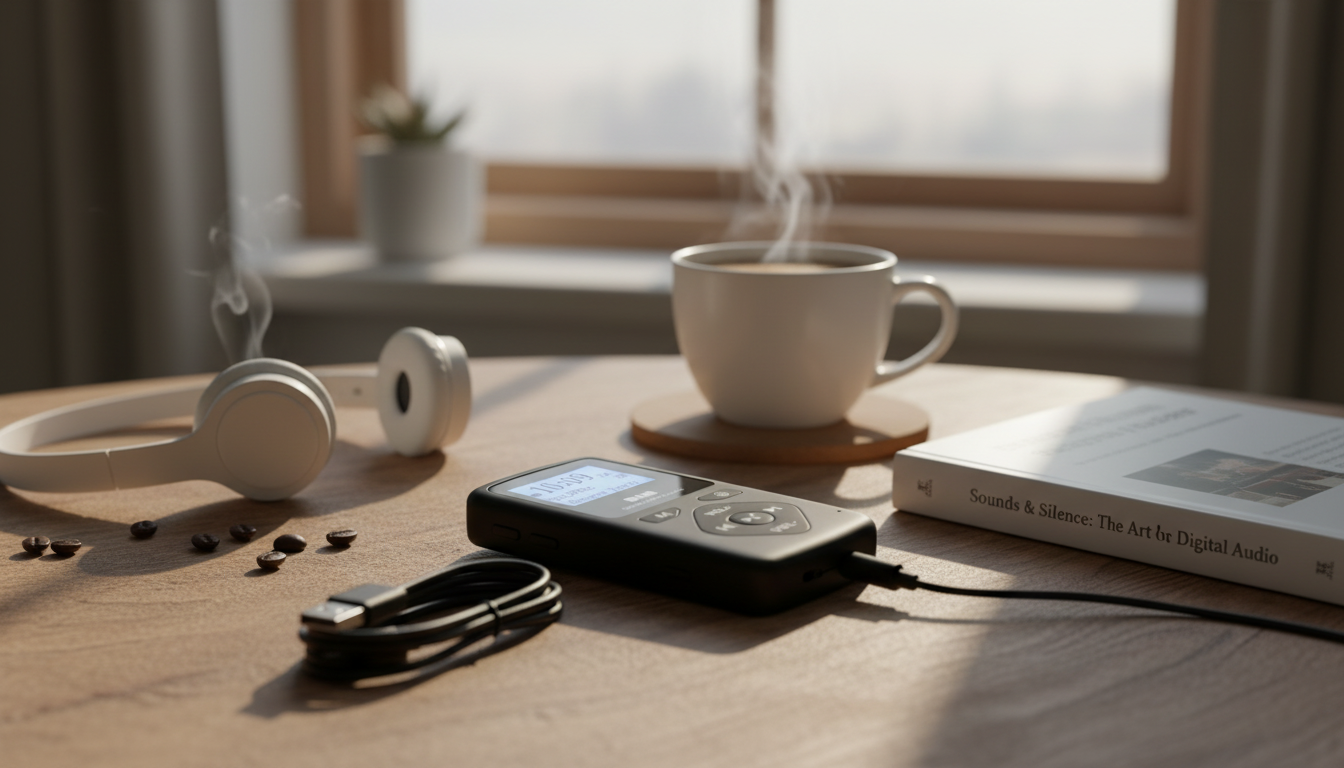
Pocket DAB/DAB+ FM Digital Radio with Bluetooth MP3 Player and LCD Display
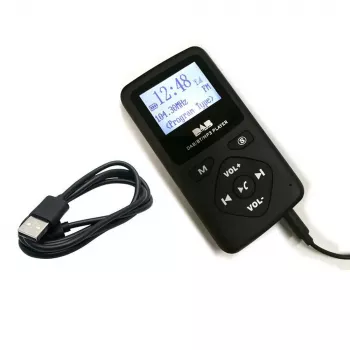
A pocket radio is most useful when it’s quick to tune, easy to read, and flexible enough to play more than live broadcasts. This compact DAB/DAB+ and FM radio adds Bluetooth streaming and MP3 playback, pairing modern listening options with a simple LCD display for everyday use at home, on walks, or while traveling.
What this pocket radio does
Small radios earn their keep by doing the basics well—then adding a few conveniences that fit real routines. This model is built around four listening paths (digital radio, FM, Bluetooth, and MP3), with an LCD display that keeps you oriented as you switch between them.
- Receives DAB/DAB+ digital stations and traditional FM broadcasts for wider coverage.
- Bluetooth mode enables wireless audio streaming from a phone or tablet.
- MP3 playback support for listening to saved tracks and spoken-word files.
- LCD display helps with station info, mode visibility, and basic status checks.
- Pocket-friendly format suited to commuting, bedside listening, or outdoor use.
When DAB/DAB+ makes the biggest difference
DAB/DAB+ is designed to make tuning and station selection more straightforward, especially where digital coverage is strong. Instead of slowly stepping through frequencies, you typically scan once and choose from a station list. That means less fiddling when you just want a reliable station for news, sports, or music.
- Digital tuning can reduce hiss and improve clarity compared with weaker FM signals.
- Station lists on DAB/DAB+ can make discovery easier than manual FM scanning.
- Useful in areas where digital coverage is strong; FM remains a fallback where it isn’t.
- Great for talk radio and music stations where consistent audio matters.
Digital radio availability varies by country and region. For general background on DAB adoption and how it works, see Ofcom’s overview of digital radio (DAB) and the coverage and standards information at WorldDAB.
Bluetooth and MP3 playback: simple ways to listen
A pocket radio becomes more useful when it doesn’t stop at broadcast reception. Bluetooth turns the radio into a compact speaker, while MP3 playback gives you a no-signal option for saved audio—helpful on trips, during outdoor time, or anywhere cellular reception is inconsistent.
- Bluetooth is ideal for streaming playlists, podcasts, and radio apps without headphones.
- MP3 playback is handy for offline listening during travel or when conserving phone battery.
- Switching between broadcast radio and personal audio keeps a single device in rotation.
- For spoken audio, MP3 files can be easier to manage than relying on signal coverage.
If you regularly bounce between live news in the morning, a podcast at lunch, and a playlist after work, having all three sources in one device can simplify the daily carry. It also makes the radio useful even when a favorite station is out of range—FM or MP3 can keep the audio going.
Quick feature snapshot
Use this overview to match the radio’s modes to how it will be used day to day.
| Mode | Best for | Typical use case | Notes |
|---|---|---|---|
| DAB/DAB+ | Clearer digital broadcasts and easy station selection | Home, office, urban travel | Coverage varies by region; scanning helps build the station list |
| FM | Local stations and backup reception | Rural areas, quick tune-in | Signal quality depends on location and interference |
| Bluetooth | Streaming from a phone/tablet | Playlists, podcasts, radio apps | Phone controls content; radio acts as the speaker |
| MP3 playback | Offline music and spoken audio | Travel, kids’ audio, language learning | Best when files are organized clearly for quick browsing |
| LCD display | At-a-glance info | Checking mode, station details, status | Improves usability versus radios without a screen |
Practical setup tips for smoother daily use
A few small setup habits can make a pocket radio feel much faster and more dependable. The goal is to build a stable station list, improve reception where you listen most, and avoid mode confusion when switching between radio, Bluetooth, and files.
- Run an initial DAB/DAB+ scan in the location where the radio will be used most.
- If reception is inconsistent, try moving closer to a window or changing orientation.
- For Bluetooth, pair once and confirm the phone’s volume is set to a comfortable level before playback.
- Keep MP3 folders tidy (by artist, album, or topic) so files are easier to find on a small device interface.
- Use the LCD display to confirm you’re in the intended mode before adjusting volume or tuning.
For everyday convenience, it helps to think in “default modes.” For example: set DAB/DAB+ as the morning default (news and weather), Bluetooth as the afternoon default (podcasts), and MP3 as the travel fallback (offline). The LCD display makes those quick checks easier, especially in low light or when you’re multitasking.
Who it’s a good fit for
Shop in-stock picks
- Pocket DAB/DAB+ FM Digital Radio with Bluetooth MP3 Player and LCD Display (In stock)
- Weatherproof Heated Motorcycle Jacket (In stock)
Pocket DAB/DAB+ FM Digital Radio with Bluetooth MP3 Player and LCD Display
FAQ
Does DAB/DAB+ work everywhere?
No—coverage depends on your region and local signal strength. Run a DAB/DAB+ scan where you plan to use the radio most, try positioning it near a window if reception is weak, and use FM as a reliable fallback in areas with limited digital coverage.
Can it play audio from a phone over Bluetooth?
Yes. Put the radio in Bluetooth mode, select it from your phone’s Bluetooth list to pair, then play audio from your phone—your phone controls what’s playing while the radio outputs the sound.
What’s the benefit of MP3 playback on a pocket radio?
MP3 playback lets you listen offline without depending on broadcast coverage or streaming data. It’s especially useful for podcasts, audiobooks, or saved music during travel, and keeping files organized in clear folders makes browsing faster on a compact device.










Leave a comment