Touch-Sensor Bathroom Faucet with Temp Display: Fit & Use
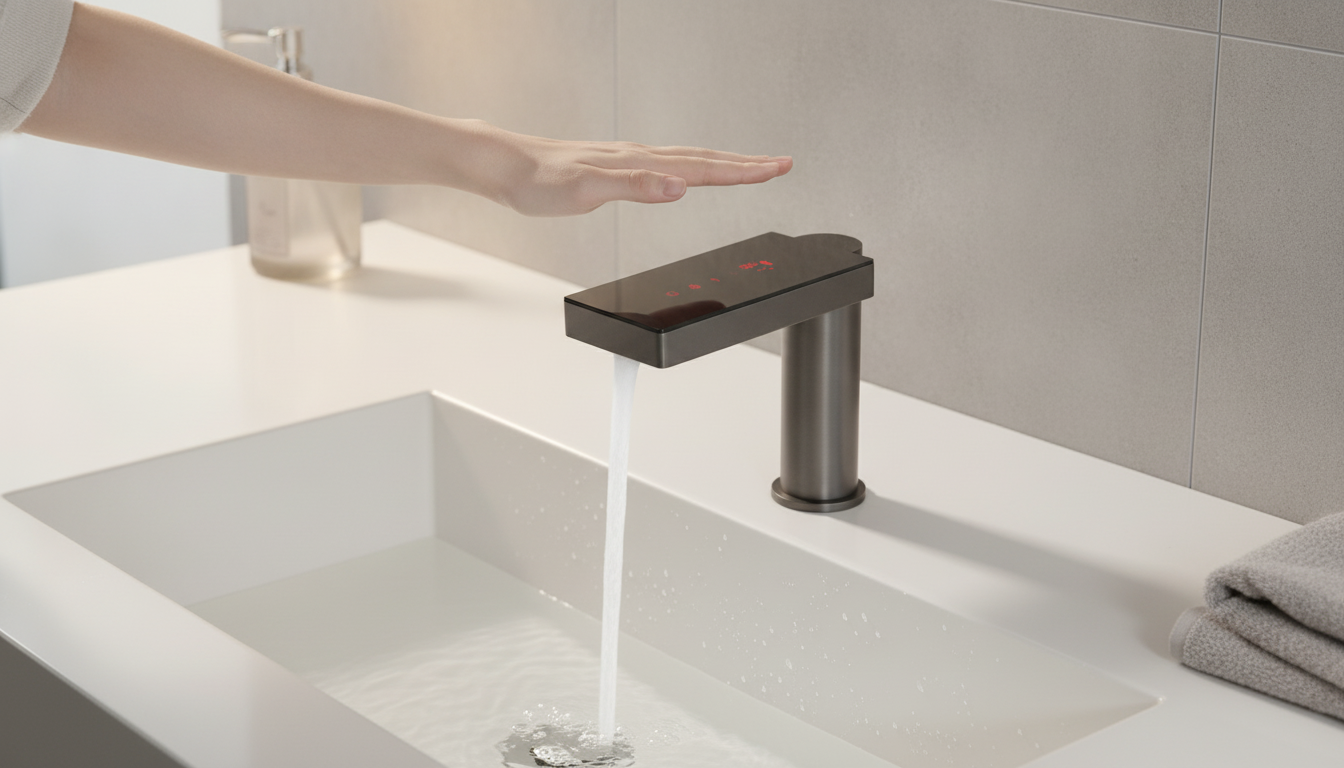
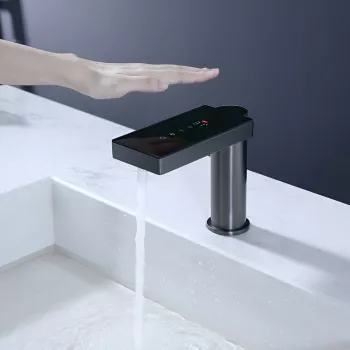
Smart Touch Sensor Bathroom Faucet with Digital Temperature Display (5.39 × 4.53 in): Cleaner Control and Confident Temperature Checks
A touch-activated bathroom faucet with a built-in digital temperature readout can make everyday sink time feel noticeably simpler. Instead of reaching for a handle with wet or soapy hands, a light touch turns water on or off, while the temperature display offers quick reassurance before a face rinse or kids’ handwashing. Below is a practical breakdown of how this style of faucet works, what the 5.39 × 4.53 in size means in real bathrooms, and what to confirm so installation goes smoothly.
What makes a touch-sensor faucet different
Touch-sensor faucets are designed around quick, low-contact control. Rather than twisting a handle multiple times during routines, you can tap the faucet body to start or stop the flow, which helps keep the handle area cleaner and reduces smudges during tasks like brushing teeth, shaving, and rinsing.
A key advantage on this model is the digital temperature display. That at-a-glance readout helps avoid uncomfortable “surprise” swings—especially helpful for households with kids, guests, or shared plumbing where temperatures can fluctuate between uses.
Touch faucets are generally best for vanity sinks where hygiene and convenience matter more than maximum flow for filling large buckets or containers. They also pair well with modern bathrooms and minimalist counters because the faucet becomes the primary control point and can visually simplify the sink area.
Size and fit: understanding 5.39 × 4.53 in
The listed size (5.39 × 4.53 in) is most useful as a planning reference for tight vanities and busy countertops. Before ordering, it’s smart to think in terms of clearances and where the water stream lands in the bowl.
Clearance behind the faucet
If your sink sits close to a backsplash or mirror, confirm there’s enough room to comfortably touch the faucet without scraping knuckles against the wall. This is especially important in small powder rooms where the faucet often sits near vertical surfaces.
Spout reach and splash control
Measure the spout reach relative to the bowl so the water hits near the drain zone (not on the front slope of the basin). When the stream lands too close to the rim, splashing increases and the countertop gets wet faster.
Handle-free operation and countertop “traffic”
Because the faucet is touched directly, nearby accessories matter more than usual. Soap dispensers, toothbrush holders, and décor placed too close can lead to accidental touches or crowding. Leave a comfortable “touch zone” around the faucet body.
Sink hole compatibility
Confirm whether your sink is single-hole or multi-hole. Some installations may require a deck plate to cover unused holes or to properly seat the faucet on wider openings.
| What to measure | Why it matters | Quick check |
|---|---|---|
| Back clearance | Prevents contact with backsplash or mirror | Leave space for hand access behind/around the body |
| Spout reach to bowl center | Reduces splash and improves rinsing | Aim for water stream to hit near the drain |
| Countertop height and sink depth | Affects comfort and splash behavior | Deeper bowls tolerate higher spouts better |
| Nearby accessories | Avoids accidental touches or crowding | Keep soap/holders slightly offset from touch areas |
Digital temperature display: what it does in daily use
For safer routines, the display can be a practical layer of awareness, but it shouldn’t replace safe hot-water settings. For scald prevention guidance, review the U.S. Consumer Product Safety Commission (CPSC) burn and scald prevention resources. If you’re planning upgrades, it can also be useful to know how fixture efficiency and labeling work through EPA WaterSense.
Installation notes and what to confirm before ordering
- Shutoff valves: Make sure they’re accessible and in good working condition. Stable supply pressure supports consistent operation.
- Included hardware: Confirm mounting parts are included and check whether adapters are needed for your existing supply lines.
- Service access: Choose a setup where the faucet can be serviced from below without removing the vanity top, especially if electronics are involved.
- Local compliance: If local code requires certifications for plumbing fixtures, verify compliance before purchase. For a general reference point on code frameworks, see the International Code Council overview of the International Plumbing Code (IPC).
Care and maintenance for a clean look
Who this faucet is best for
Product overview and purchase details
If you’re ready to upgrade a vanity sink with touch control and a real-time temperature display, the Smart Touch Sensor Bathroom Faucet with Digital Temperature Display (5.39 × 4.53 in) is in stock at $315.51 USD. Before checkout, re-check sink hole configuration, clearance to backsplash/mirror, and any power requirements for the display so installation is smooth.
Other in-stock items to consider
FAQ
Does a touch-sensor bathroom faucet work with a standard sink setup?
Often yes, but you’ll want to confirm whether your sink is single-hole or multi-hole and whether a deck plate is needed. Also check your shutoff valves and supply line connections in case an adapter is required.
How accurate is the digital temperature display, and does it prevent scalding?
The display provides a helpful real-time indication of water temperature, but it’s not a substitute for safe hot-water settings. Set your water heater or tempering valve appropriately to reduce scald risk.
What should be done if the touch function becomes less responsive?
Clean the touch area to remove residue, then check that any power source or battery compartment (if applicable) is dry and secure. If issues continue, inspect connections under the sink and confirm stable water supply pressure.














Leave a comment