Folding Bike Tire PSI: Best Pressure for Comfort & Speed
How many PSI for a folding bike?
Most folding bikes ride best between 50 and 80 PSI, but the right number depends on the tire’s printed PSI range, tire width, rider weight, and the surfaces you ride. Start by checking the sidewall of your folding bike tire for the manufacturer’s minimum and maximum PSI, then choose a pressure within that window.
Recommended PSI ranges by folding bike tire type
Narrow, small-wheel folding bike tires (about 1.25–1.5 inches)
If your folding bike uses narrower tires, a common sweet spot is 65–85 PSI for a quick, efficient feel. Higher pressure reduces rolling resistance, which helps on smooth pavement, but it can feel harsh on rough streets.
Medium-width tires (about 1.75–2.0 inches)
For many everyday folding bikes, 50–70 PSI balances comfort and speed. This range can reduce vibration on mixed city surfaces while still keeping the bike lively and stable.
Wider, comfort-focused tires (2.1 inches and up)
Wider folding bike tires typically run lower pressures, often 35–55 PSI, for added grip and shock absorption. Running them too high can make the bike skittish and reduce traction on imperfect pavement.
How to fine-tune PSI for comfort, grip, and efficiency
Use the sidewall max PSI as a ceiling, not a default. If the ride feels bouncy and slippery over cracks, drop 5 PSI at a time. If the tire feels squirmy in corners or you notice frequent bottoming out on bumps, add 5 PSI. Heavier riders generally need a bit more pressure; lighter riders can usually run less for comfort.
A practical starting point is to set the rear tire 5–10 PSI higher than the front because it carries more weight. Recheck pressure weekly—small tires lose air faster, and even a 10 PSI drop can change handling.
Getting an accurate inflation with a compact pump
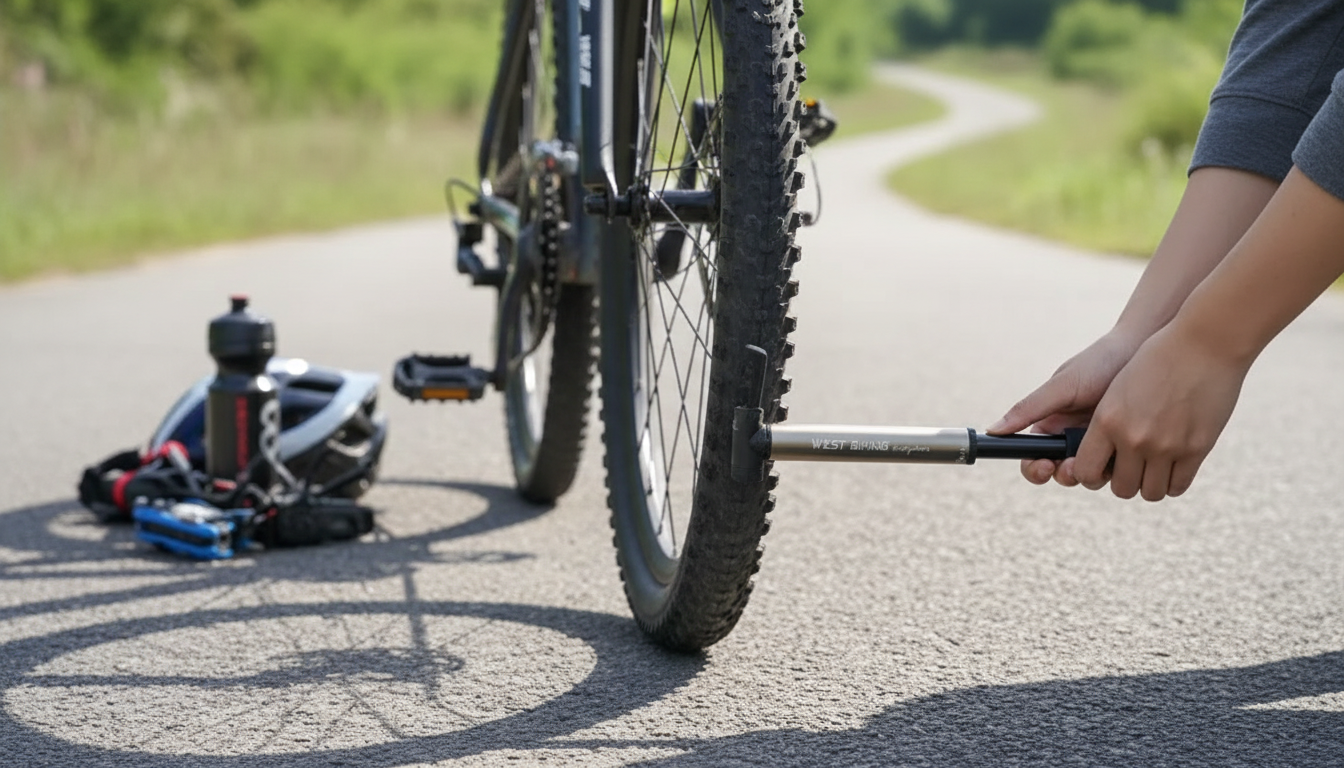
Folding bikes often rely on portable gear, so a pump with a gauge (and the right valve compatibility) makes hitting your target PSI much easier. For tips on choosing and using a compact pump that can reach higher pressures, see this guide to an 80 PSI mini bike pump and dual-valve setup.
FAQ
Should I inflate my folding bike tires to the max PSI on the sidewall?
Not usually. The sidewall max is a limit; many riders get better comfort and traction a bit below it while staying above the minimum recommended pressure.













Leave a comment