Kitchen Cart Drawer Weight Limits: Typical Capacity
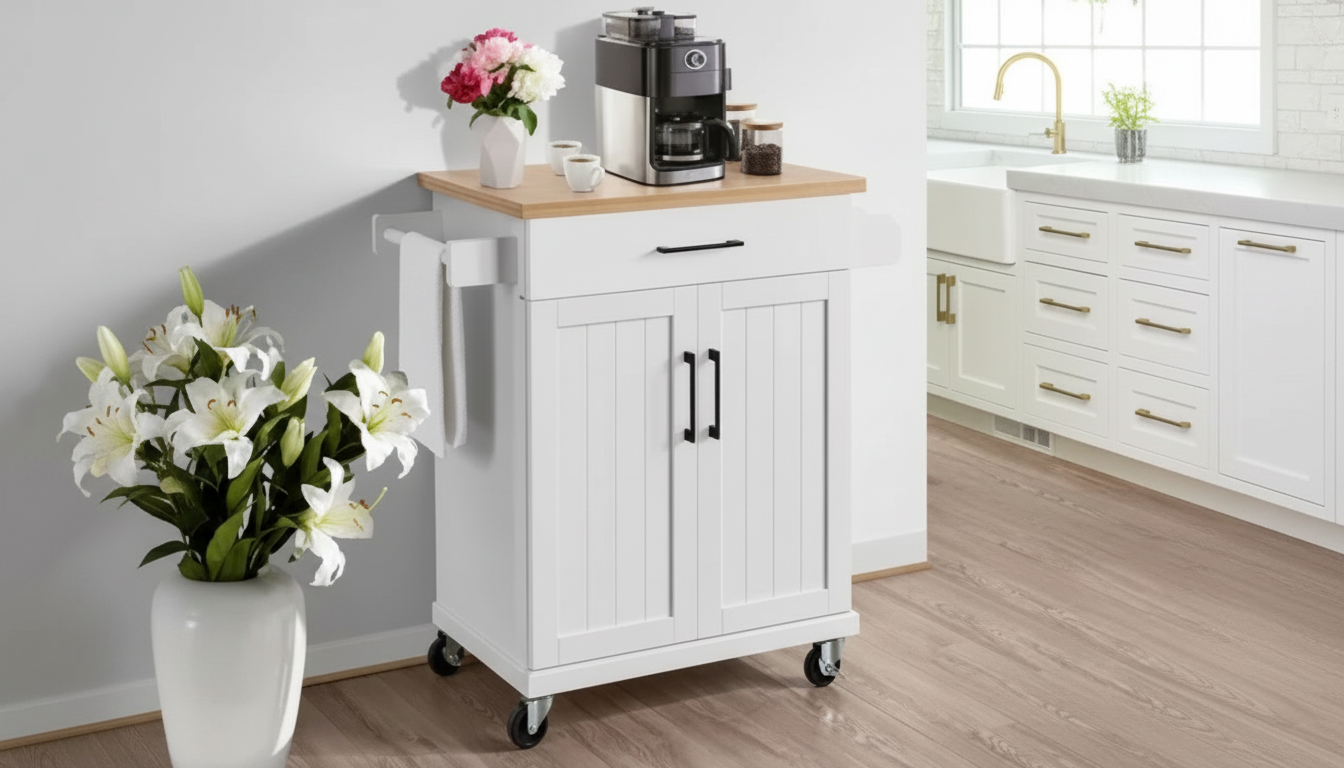
How much weight can a kitchen cart with drawers typically hold?
Typical weight ranges (and why they vary)
Most kitchen carts with drawers are built to handle light-to-moderate loads rather than heavy-duty storage. A common “real world” range is about 75–200 lb total across the cart, with the top surface often rated around 50–150 lb depending on materials and construction. That said, capacity isn’t one universal number—drawer hardware, wheel design, and frame strength can change what a cart can safely support.
What usually holds the most vs. the least
Weight limits are typically highest on the main countertop and lowest in the drawers. Many drawers are intended for utensils, linens, and small tools, and they commonly support roughly 10–25 lb per drawer (sometimes more with heavy-duty slides). Shelves and cabinets in the base often fall in between, frequently accommodating 25–75 lb per shelf when weight is spread evenly and the cart sits on a flat floor.
How to estimate safe loading without guessing
The most reliable number is the manufacturer’s listed capacity for the top, shelves, and each drawer. If specs aren’t available, use these practical cues: solid hardwood or thick butcher-block tops usually tolerate more than thin veneer; full-extension metal drawer slides tend to outperform light-duty runners; and a welded or bolted metal frame typically carries more than stapled particleboard panels.
Loading tips that protect the cart (and your floors)
For stability, place heavier items low (bottom shelf/cabinet), keep the top for prep appliances you use often, and avoid overfilling drawers so they don’t rack or bind. Also consider the casters: small wheels on soft flooring can struggle under heavier loads and may increase tipping risk when rolling over thresholds.
For more shopping and setup guidance—especially if you’re outfitting a small kitchen—see the full guide here: kitchen cart with drawer storage and small-space prep tips.
FAQ
What should you store in a kitchen cart drawer versus on the shelves?
Keep drawers for lighter items like utensils, towels, foil, and small gadgets, and reserve shelves for heavier or bulky items such as small appliances, mixing bowls, or pantry staples. This helps the drawers glide smoothly and improves overall stability.













Leave a comment