Must-Have Bed Tray Features for Comfort and Stability
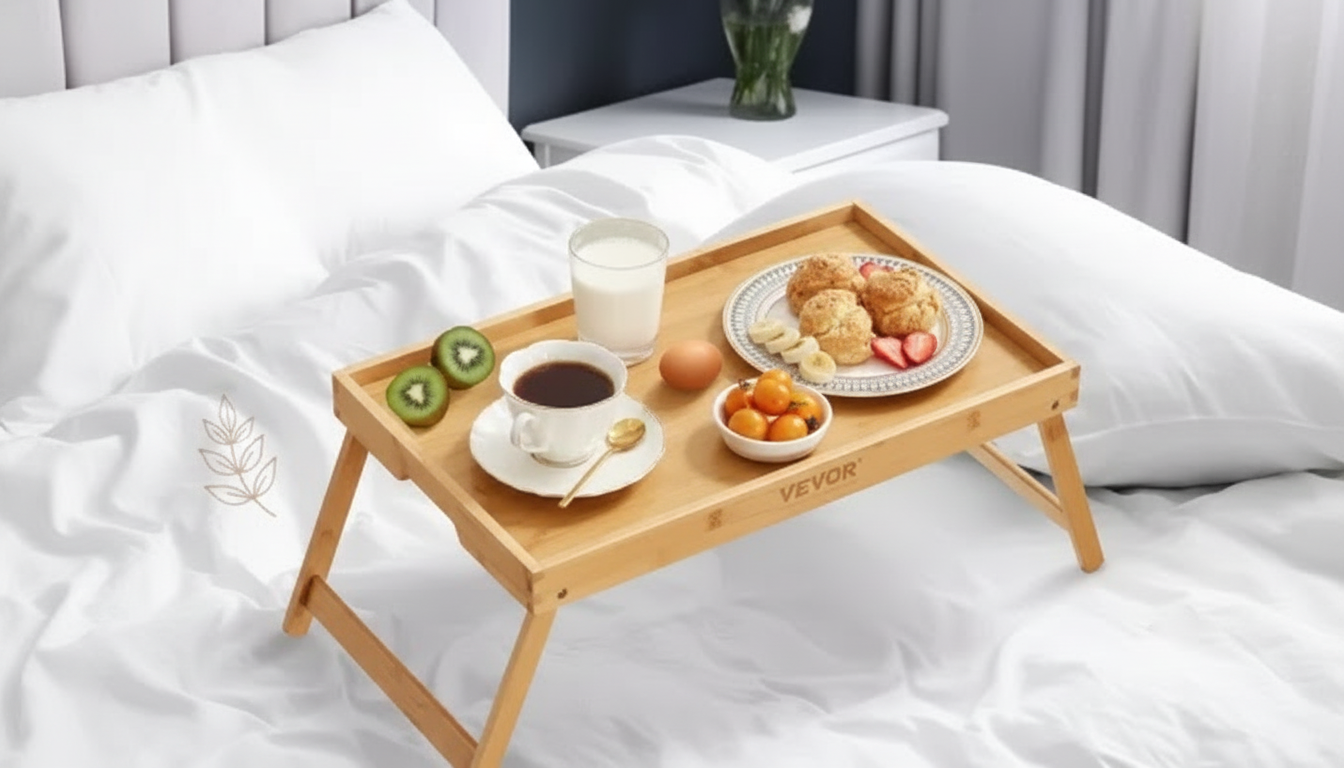
What features should a bed tray have?
A great bed tray should feel stable, comfortable to use for more than a few minutes, and easy to store when it’s not needed. Whether it’s holding breakfast, a laptop, or a book and drink, the best designs focus on safety, adjustability, and surfaces that are easy to clean.
Start with a sturdy, wobble-resistant frame. Look for solid materials (like bamboo or wood) and reinforced joints so the tray doesn’t flex when you rest your wrists, set down a mug, or type. Non-slip feet or grippy leg ends help keep it planted on bedding, where softer surfaces can cause shifting.
Foldable legs are another must-have for most homes. They make it easier to slide the tray under a bed or sofa, carry it between rooms, and keep it from taking up counter space. If the tray will be used on a couch as often as in bed, check that the folded profile is slim and that the hinges feel secure.
For work or long reading sessions, ergonomic adjustability matters. An adjustable height or tilting top can reduce neck and shoulder strain and help you get a better screen angle. If the surface tilts, a lip or ledge along the lower edge helps keep items from sliding off—especially important for tablets, notebooks, or a plate with utensils.
Pay attention to the tabletop layout. A raised edge around the perimeter helps contain spills and crumbs. Built-in handles make carrying safer, and a dedicated cup holder can add stability for drinks (though it should be deep enough to be useful). A smooth, sealed finish is easier to wipe clean and less likely to absorb stains from coffee, tea, or sauces.
For a deeper look at what makes a folding bamboo tray practical for bed, sofa, and laptop use, see this guide to folding bamboo breakfast trays.
FAQ
How do you choose the right size bed tray?
Choose a surface wide enough for your typical use (laptop plus mouse, or a full plate and drink) while still fitting comfortably across your lap or between the bed’s edges. Also confirm the leg width and clearance so it sits securely without pinching bedding or tipping.














Leave a comment