PSI Bike Meaning: Tire Pressure Basics for Every Ride
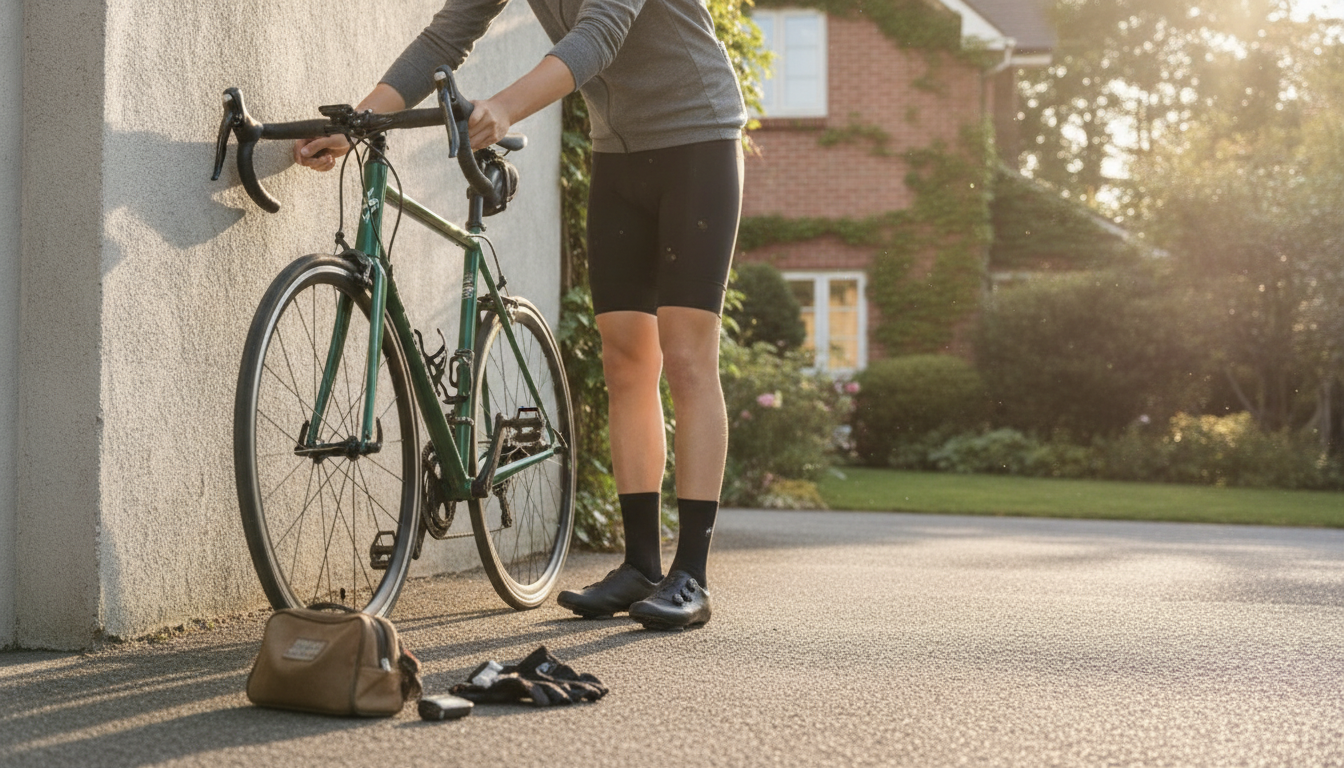
What is a psi bike?
On bikes, “PSI” (pounds per square inch) is the air pressure inside a tire. So when someone says a “psi bike,” they usually mean a bike (or a tire setup) that runs at a certain PSI range—like a road bike that needs higher pressure, or a mountain bike that uses lower pressure for traction. PSI isn’t a type of bicycle by itself; it’s a measurement that helps you inflate your tires to the right level for safety, comfort, and performance.
How PSI relates to different types of bikes
Different bikes are designed around different tire widths and riding conditions, which influences recommended PSI:
- Road bikes: Typically use narrower tires and often run higher PSI for efficiency and reduced rolling resistance.
- Mountain bikes: Use wider tires and usually run lower PSI to improve grip and absorb bumps on trails.
- Hybrid/commuter bikes: Often sit in the middle—moderate PSI for a balance of speed and comfort.
- Mini bikes and small-wheel bikes: PSI needs can vary widely based on the tire’s rating and the bike’s use; always follow the tire sidewall guidance.
Why the right PSI matters
Inflating to the proper PSI helps prevent pinch flats, reduces the chance of tire damage, and improves handling. Too low can feel sluggish and increase the risk of rim impacts; too high can make the ride harsh and reduce traction. The best starting point is the PSI range printed on the tire sidewall, then adjusting slightly based on rider weight, terrain, and comfort.
How to inflate to the correct PSI
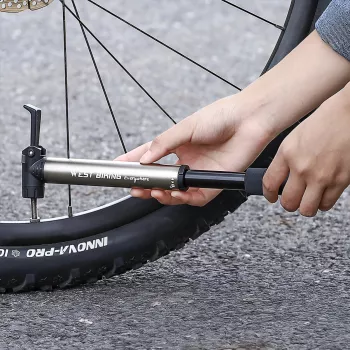
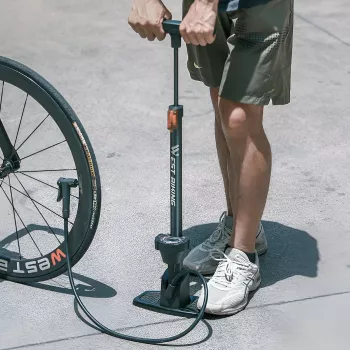
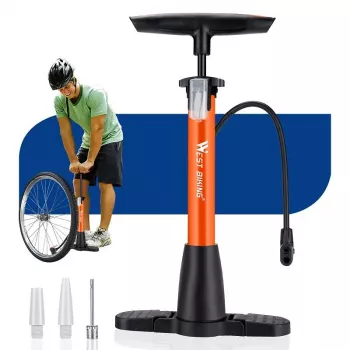
Use a pump that matches your valve type (Presta, Schrader, or both) and includes a pressure gauge so you can hit your target number accurately. If you’re pumping up smaller tires or want a compact option that still reaches higher pressures, this guide is a helpful reference: 80 PSI mini bike pump with dual valve tool kit.
FAQ
What PSI should I put in my bike tires?
Start with the PSI range printed on the tire sidewall, then fine-tune based on comfort and grip. Heavier riders and smoother pavement often need more PSI, while rough terrain typically benefits from slightly lower PSI.













Leave a comment