Best Fireplace TV Stand Makers: What to Look For
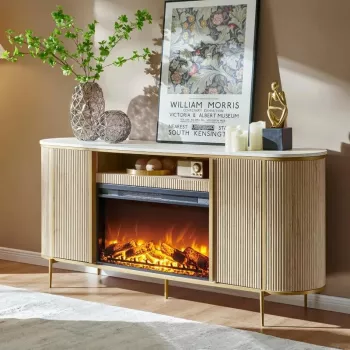
Who makes the best fireplace TV stand?
The “best” fireplace TV stand usually comes from a maker that nails three things at once: sturdy furniture construction, a safe and realistic electric fireplace insert, and a size/design that actually suits your room and TV. Instead of a single brand winning for everyone, the top choice depends on whether the priority is a premium furniture look, maximum storage, or a value-focused option that still feels substantial.
What to look for in a top-tier maker
Build quality first. The best manufacturers use thick panels, reinforced bases, and reliable hardware so the console doesn’t rack, wobble, or sag under a large TV. Details like clean seams, consistent finish color, and smoothly operating doors/drawers are quick telltales of better production.
Fireplace insert performance. A great maker pairs the console with an insert that offers adjustable heat, multiple flame brightness settings, and quiet operation. Look for overheat protection, a timer, and the ability to run flames without heat for year-round ambiance.
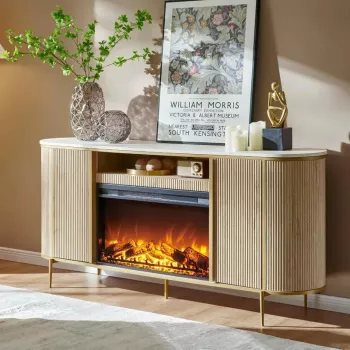
Design and proportions that feel intentional. “Best” often means the stand looks like real furniture—not just an insert dropped into a box. Fluted fronts, modern silhouettes, and well-balanced legs or plinth bases tend to read more upscale, especially in living rooms where the TV wall is a focal point.
When a luxury-style maker is the best choice
If the goal is a statement piece that elevates the room, choose a maker focused on modern luxury finishes and refined detailing (like fluted panels and clean, minimalist lines). These designs often prioritize visual cohesion, concealed storage, and a more furniture-forward presence—ideal for open-concept spaces or curated interiors.
How to pick the best option for a 70-inch class console
Start with TV width and mounting style, then confirm the console’s top weight capacity and overall stability. Next, check storage needs (soundbar clearance, game consoles, cable management) and match the fireplace insert size to the room. For a deeper dive into sizing, styling, and what makes a luxury fluted model stand out, see the full guide here: https://candoral.com/guide-70-inch-luxury-fluted-fireplace-tv-stand-guide/.
FAQ
What size fireplace TV stand should I get for a large TV?
Choose a stand that’s wider than the TV—typically several inches on each side for balance—and confirm the top weight rating. Also ensure the depth works for the TV base (if not wall-mounted) and that the layout accommodates a soundbar and cable routing.












Leave a comment