Fur-Removal Grooming Glove for Cats: De-Shed & Calm
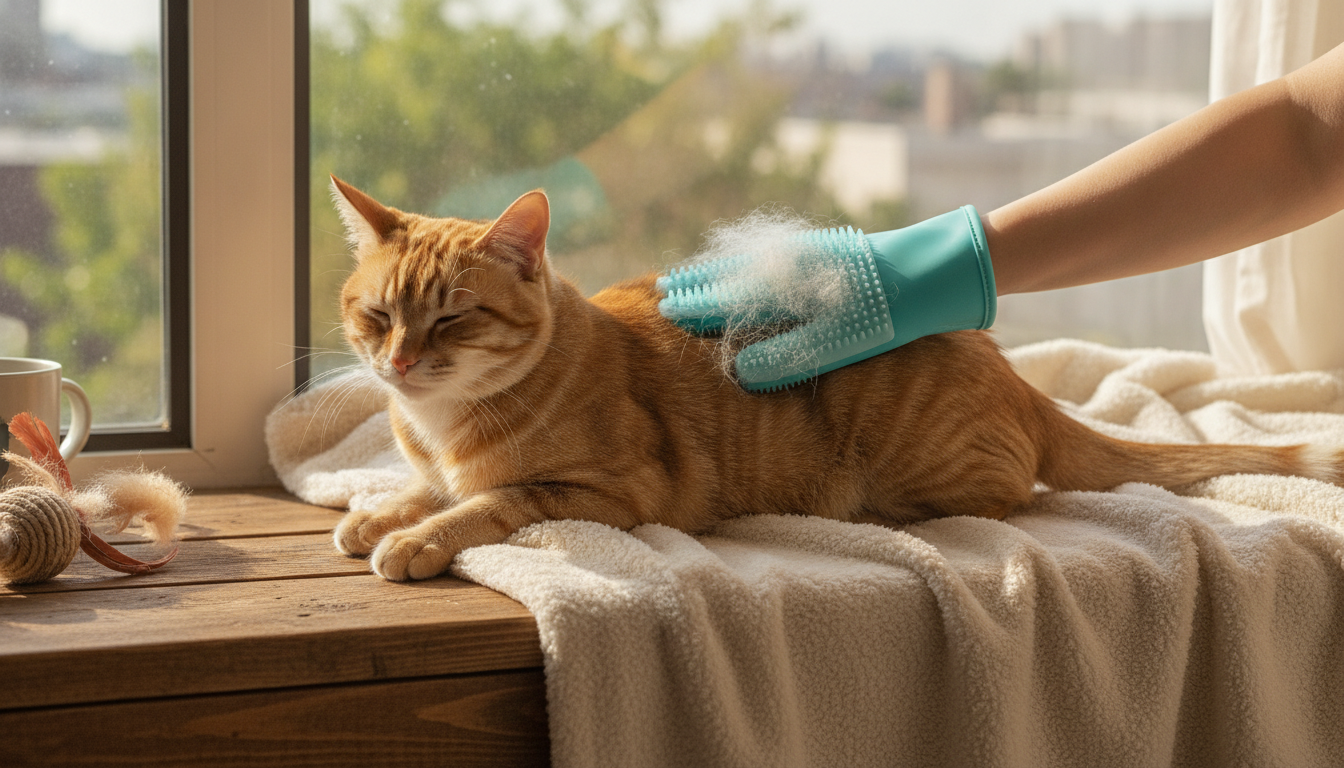
Cat Grooming Massage Brush & Fur Removal Glove: A Simple Way to De-Shed and Soothe
Regular brushing can cut down on loose fur around the home while supporting a healthier coat and a calmer grooming experience. A grooming glove combines gentle massage with fur lift-and-collect action, making it especially helpful for cats that dislike traditional brushes. If your cat tolerates petting but flinches at a stiff brush, a glove can be an easy way to build a consistent routine with less stress for both of you. For more guidance, see 6PCS Grooming & Bath Supplies for Dogs, Cats | Dog Washing Gloves.
What a Grooming Glove Does (and Why Cats Often Tolerate It Better)
A grooming glove is designed to feel like your hand—because it is your hand. That simple change can make grooming feel less like “a tool coming at me” and more like familiar touch. For further reading, see open thread – February 16-17, 2018 – Ask a Manager.
- Mimics petting: The hand-shaped design is often less intimidating than rigid tools.
- Lifts loose hair as you stroke: Helps reduce shedding on furniture, bedding, and clothing.
- Adds light pressure: Can double as a relaxing massage during short sessions.
- Helps distribute natural oils: Encourages a smoother, shinier look and feel over time.
For general grooming guidance and what’s normal by coat type, see the ASPCA’s cat grooming overview.
Key Features to Look For in a Fur-Removal Glove
Not all grooming gloves feel the same, and small design differences matter—especially for sensitive cats or thick coats.
- Soft, flexible grooming surface: Should pull loose fur without scratching skin.
- Secure wrist closure: Helps the glove stay snug while brushing.
- Easy-peel hair collection: Fur should lift off in a sheet or clump for quick cleanup.
- Comfortable fit and breathable materials: Reduces hand fatigue during longer sessions.
- Durable nubs and stitching: Important if you groom frequently or have multiple cats.
How to Use a Grooming Massage Glove (Quick Routine)
Think of glove grooming as “structured petting.” The goal is a calm, repeatable routine that ends before your cat feels overwhelmed.
- Start when your cat is relaxed: After a meal or play works well; keep early sessions under 2 minutes.
- Stroke with the coat: Use slow passes in the direction of hair growth across shoulders, back, and sides.
- Ease in for sensitive cats: Begin with gentle “petting only,” then gradually increase contact so the glove collects fur.
- Avoid tugging: If you hit resistance, don’t pull through knots—switch to a detangling approach instead.
- End on a positive note: A treat, praise, or a favorite toy helps build cooperation.
Coat Types: Where a Glove Shines (and Where It’s Not Enough)
For additional coat-care context and when grooming needs extra attention, Cornell’s feline grooming guidance is a helpful reference: Cornell Feline Health Center: Grooming.
Glove vs. Brush vs. Comb: What’s Best for Your Cat?
| Tool | Best for | Less ideal for | Comfort for sensitive cats |
|---|---|---|---|
| Grooming glove | Calm daily grooming, light de-shedding, bonding | Breaking up mats, deep undercoat removal | High (with gentle pressure) |
| Slicker brush | Undercoat removal, heavier sheds | Very sensitive cats, over-brushing delicate areas | Medium |
| Metal comb | Detangling, finishing long coats, checking for mats | Fast full-body de-shedding | Medium (depends on technique) |
| Undercoat rake | Seasonal shedding in thick coats | Short coats, sensitive skin, daily use | Low to medium |
Gentle Technique Tips for Common Trouble Spots
Cleaning and Care for Better Fur Pickup
When to Pause Grooming and Check With a Veterinarian
Hairballs can be normal at times, but patterns matter. Learn what’s typical and when to call your vet with VCA Hospitals: Hairballs in Cats.
Product Pick: Cat Grooming Massage Brush & Fur Removal Glove
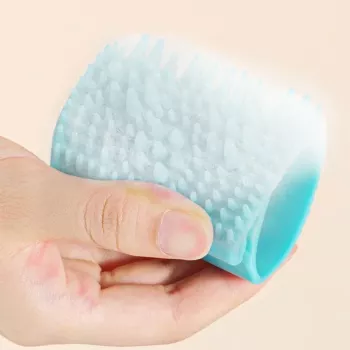
If you want a low-pressure way to manage everyday shedding, the Cat Grooming Massage Brush & Fur Removal Glove is designed for hands-on grooming that feels like petting while helping lift loose fur. It’s a practical add-on for quick sessions between deeper grooming with a comb or brush, and it’s a budget-friendly option for households that want less fur on couches and clothes.
Helpful Add-Ons for a Cleaner, Happier Home
- Create a predictable “grooming zone”: A favorite resting spot like the Luxury Plush Pet Cradle Bed: Deluxe Fleece & Velvet Sofa for Dogs & Cats can help keep shed fur more localized and make grooming time easier to anticipate.
- Reduce stress through enrichment: Scratchers and climbing options such as the Deluxe Cat Climbing Tree & Claw Sharpener can support calm routines, which often improves tolerance for handling and grooming.
- Pair grooming with downtime: A minute of glove grooming right before a nap can turn it into a ritual instead of a struggle.
FAQ
How often should a cat be groomed with a fur-removal glove?
Short-haired cats often do well with 2–4 short sessions per week, while medium and long coats may benefit from brief daily or near-daily glove grooming for loose topcoat. During seasonal sheds, you may need more frequent sessions, but keep them short for sensitive cats.
Can a grooming glove help with hairballs?
Yes—removing loose fur can reduce how much hair your cat swallows during self-grooming, which may help cut down on hairballs. If hairballs are frequent, worsening, or paired with vomiting or appetite changes, check with a veterinarian.
Is a grooming glove safe for cats with mats or tangles?
A glove isn’t ideal for mats because it can catch and tug; avoid pulling through knots. Use a comb and a gentle detangling approach instead, and seek professional grooming or veterinary help if matting is severe or close to the skin.













Leave a comment