Damaged Ratchet Strap Repair: What’s Safe (and Not)

Can I repair a damaged ratchet strap?
Sometimes, but only in very limited cases—and only if the load-rated components remain fully intact. A ratchet strap is a safety device, and once the webbing, stitching, or hardware is compromised, the safest “repair” is typically replacing the strap.
When a ratchet strap should NOT be repaired
Do not attempt to repair or keep using a strap if you notice cuts, frays, melted spots, chemical damage, stiff/brittle webbing, or any torn stitching near the hooks or end fittings. Also retire the strap if the ratchet mechanism slips, the teeth are rounded, the handle is bent, or the hooks are cracked or spread. These issues reduce strength in ways that are hard to verify without manufacturer testing.
What you can fix safely (and what you can’t)
The only “repairs” that are typically reasonable are basic maintenance actions: cleaning grime out of the ratchet so it fully engages, lightly lubricating pivot points (avoid soaking the webbing), and replacing a removable hardware part only if it’s an identical, manufacturer-approved component. Sewing a tear, tying knots, using tape, adding clamps, or heat-sealing a damaged section does not restore the original working load limit and can create sudden failure under tension.
Best practice: replace the damaged part or the whole assembly
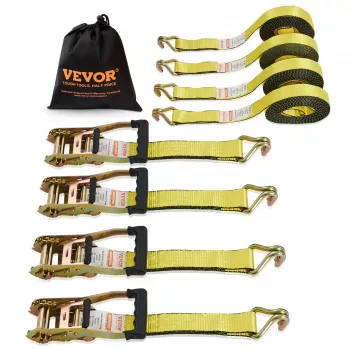
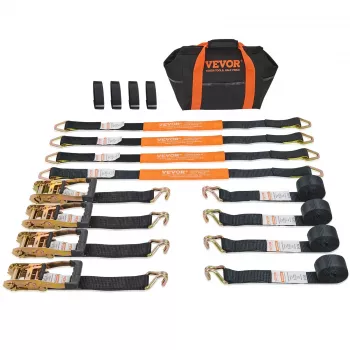
If the strap’s webbing is damaged, replace the strap. If the ratchet or hook is damaged, replace the ratchet assembly or strap set with the correct rating for your application. For guidance on selecting properly rated tie-downs and understanding features like heavy-duty webbing and double J-hooks, reference the main guide here: https://candoral.com/guide-4-pack-10000-lb-ratchet-tie-down-straps-double-j-hooks/.
Quick safety check before every use
Run your hand along the webbing (looking for nicks and fuzzing), inspect every stitch line, confirm hooks sit correctly and aren’t deformed, and cycle the ratchet to ensure it locks and releases smoothly. If anything looks questionable, swap it out before you haul.
FAQ
How do I know if a ratchet strap is still safe to use?
If the webbing is cut, heavily frayed, melted, chemically damaged, or has broken stitching, it’s not safe. If the ratchet slips, won’t lock positively, or the hooks are bent or cracked, retire it and replace the component or set.













Leave a comment