10×14 Steel Storage Shed: Setup, Foundation, and Tips
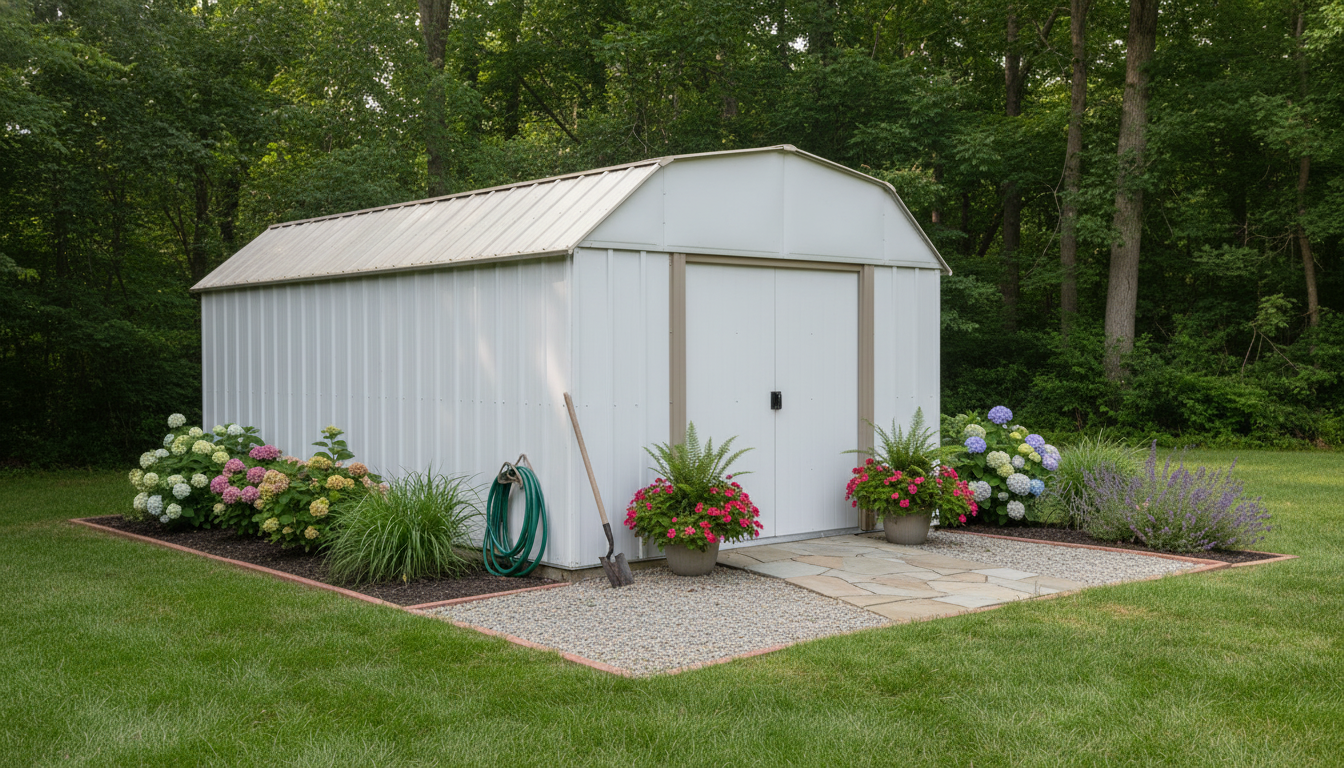
Sturdy 10×14 ft Outdoor Steel Storage Shed – Garden and Utility Storage
A 10×14 ft steel storage shed can turn cluttered outdoor areas into a clean, protected space for tools, equipment, seasonal items, and yard supplies. With the right placement, base, and layout, this size offers room to store bulky gear while keeping walkways clear and reducing weather exposure for valuable items.
What a 10×14 ft shed is good for
A 10×14 footprint hits a practical middle ground: large enough for big equipment, but still manageable to place in many backyards.
- Stores long-handled garden tools, wheelbarrows, ladders, and bulk bags of soil or mulch without stacking hazards.
- Creates a dedicated utility zone for lawn equipment, patio accessories, and seasonal décor in one place.
- Helps protect items from sun, rain, and wind-driven debris compared with open storage racks or tarps.
- Supports a simple “clean/dirty” split: one side for chemicals and fuel (in approved containers), the other for tools and accessories.
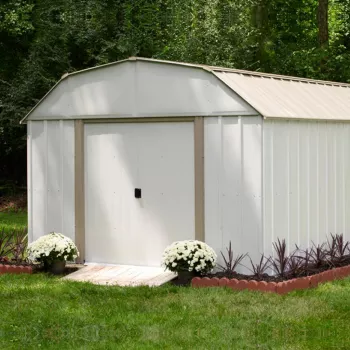
If you want a ready-to-use option sized for everyday yard and equipment storage, consider the Sturdy 10×14 ft Outdoor Steel Storage Shed – Garden & Utility Solution.
Planning the location and footprint
Site planning reduces water issues, improves access, and helps prevent door and panel stress over time.
- Choose a spot with natural drainage so water does not pool around the shed after storms.
- Leave working clearance: space to fully open doors, move large items, and perform maintenance along walls.
- Confirm local requirements for placement, setbacks, and whether a permit is needed for the footprint and height. Many jurisdictions reference standards published by the International Code Council (ICC).
- Consider sun and wind exposure: orient doors away from prevailing winds when possible to reduce gust pressure when opening. For regional wind guidance and preparedness, review resources from the NOAA National Weather Service.
Steel construction and weather resistance basics
Steel sheds are often chosen for a straightforward reason: stable structure with minimal routine upkeep when assembled and maintained properly.
- Steel panels are valued for rigidity and low routine upkeep compared with untreated wood that can warp or rot.
- Look for protected finishes and tight panel fit to help resist corrosion in wet or coastal climates.
- Keep stored items elevated with pallets or shelving to reduce moisture transfer from the floor during humid periods.
- Plan ventilation (passive vents or door-gap airflow) to reduce condensation that can form when temperatures swing.
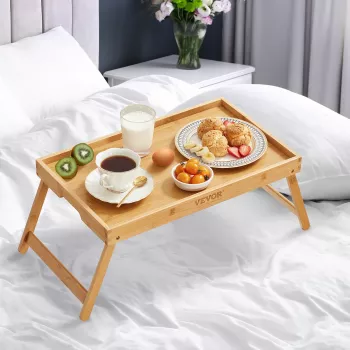
For extra day-to-day usability, a small surface for paperwork, gloves, or parts can be surprisingly helpful. A compact accessory like the Bamboo Breakfast Tray with Folding Legs can double as a quick “set-down” station while organizing bins, swapping mower blades, or sorting fasteners.
Access, ventilation, and security setup
A shed works best when it’s easy to enter, easy to find what you need, and hard for intruders to access.
- Measure the widest item (mower, cart, snow blower) and ensure door opening and approach path allow easy entry.
- Add interior lighting (battery, solar, or wired) so tools and fasteners are easy to find without leaving doors open.
- Use a lockable latch or compatible padlock system and consider a motion light for deterrence.
- Store flammables separately, keep a clear floor path, and place frequently used items near the entrance.
Ventilation deserves special attention with metal buildings. Even basic airflow reduces damp air pockets that can affect tool handles, cardboard packaging, and stored fabrics. If the shed will be opened frequently, organizing for “grab-and-go” access can also reduce how long doors stay open during rain or high humidity.
Foundation options and installation notes
A stable, level foundation is one of the biggest factors in long-term shed performance, especially for doors that need to stay aligned and easy to close.
- A stable base helps doors stay aligned and reduces panel stress; common bases include concrete slab, pavers on compacted gravel, or a framed platform.
- Keep the base level before assembly; uneven corners can cause gaps, hard-to-close doors, and accelerated wear.
- Anchor the shed to the base per guidance for wind-prone areas; check local recommendations for tie-downs and fasteners.
- Plan a dry assembly day and stage parts in order to reduce scratches and speed up panel alignment.
After the shed is anchored, walk the perimeter and confirm the door swing and clearance with your largest equipment. Catching tight turns early can save time before shelves, hooks, and bins are installed.
Simple organization that saves space
Material comparison for long-term ownership
| Material | Strengths | Watch-outs | Best fit |
|---|---|---|---|
| Steel | Rigid panels; low routine upkeep; pest resistant | Condensation risk without airflow; corrosion risk if finish is damaged | General utility storage; windy areas with proper anchoring |
| Wood | Easy to customize and insulate; classic look | Requires sealing/paint; can warp/rot; pest concerns | Workshops and custom shelving/heavy wall-mount needs |
| Resin/Plastic | No rust; lighter parts; quick cleaning | May flex; UV fading; anchoring still important | Light-to-medium storage in mild climates |
Care and seasonal maintenance checklist
FAQ
Does a 10×14 ft steel shed need a foundation?
A level, stable base is strongly recommended to keep doors aligned, support anchoring, and reduce long-term stress on panels. Common options include a concrete slab, pavers over compacted gravel, or a framed platform, and local rules may affect what’s allowed.
How can condensation be reduced inside a metal shed?
Improve airflow with vents or consistent door-gap ventilation, and keep items off the floor using pallets or shelving. Avoid storing wet equipment, and consider a moisture barrier under the base since temperature swings can drive condensation.
What should be stored near the door vs. deeper inside?
Keep frequently used tools and lighter items near the entrance for quick access, while placing heavy equipment low and closer to the center for stability. Store chemicals in a designated area away from heat sources and maintain a clear walkway for safer movement.














Leave a comment