1300W 6-Speed Burnishing & Polishing Machine Guide
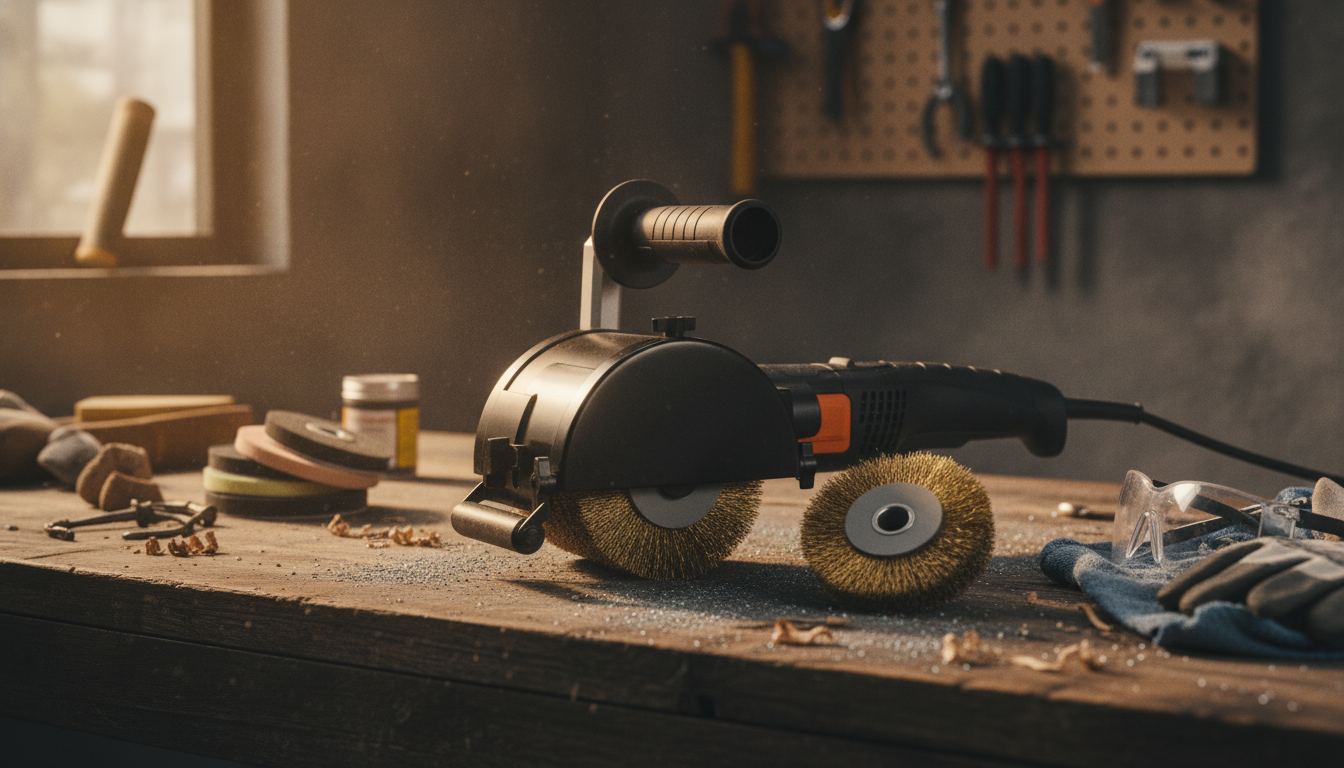
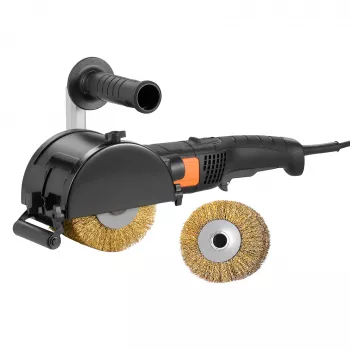
1300W Electric Burnishing & Polishing Machine with 6-Speed Surface Tool: Fast, Controlled Finishing for Metal and More
A burnishing and polishing machine can turn dull, oxidized, or lightly scratched surfaces into a clean, reflective finish while reducing hand fatigue. This 1300W corded unit pairs high power with a 6-speed control, making it suitable for controlled polishing on metal, stone, and other hard surfaces where consistent pressure and even motion matter.
What Burnishing and Polishing Are (and When Each Matters)
Burnishing and polishing often get lumped together, but they solve slightly different problems. Knowing which step you need helps you pick the right pad, compound, and speed—then stop before you create heat haze or chase defects that aren’t actually in the surface.
- Burnishing: compresses and smooths the top layer of a surface to improve sheen and reduce visible micro-scratches without heavy material removal.
- Polishing: refines the surface using compounds/pads to increase gloss and clarity; it can remove light defects depending on pad and compound choice.
- When to burnish vs polish: burnish for a quick shine and surface smoothing; polish for a clearer reflection and more visible defect correction on compatible materials.
- Common use cases: stainless steel trim, metal railings, stone countertops, automotive brightwork, and workshop fabrication cleanup.
Core Features of the 1300W 6-Speed Surface Tool
A surface finishing tool is easiest to like when it stays consistent: consistent rotation, consistent contact, and consistent control. This machine’s combination of corded power and multi-speed adjustment is built around that idea.
- 1300W motor output supports steady torque for maintaining pad rotation under moderate pressure.
- 6-speed control helps match surface type and compound: lower speeds for control and heat management, higher speeds for faster finishing passes.
- Corded power offers consistent runtime for longer sessions compared with battery tools.
- Surface finishing workflow compatibility: supports prep, refine, and final gloss steps when paired with appropriate pads and compounds.
Feature-to-Benefit Overview
| Feature | Why it helps | Best used for |
|---|---|---|
| 1300W motor | Maintains speed under load for more even results | Extended polishing passes on metal or stone |
| 6-speed adjustment | Controls heat and aggressiveness | Delicate finishes, edges, final gloss work |
| Corded operation | No downtime from charging; consistent power delivery | Workshop and garage detailing sessions |
| Surface tool format | Better contact on broad areas with controlled motion | Panels, countertops, rails, large trim pieces |
Where It Performs Best: Materials and Typical Projects
The best results come from matching the surface to the right pad and product—then using speed and pressure to keep the finish “clean” instead of smeared or overheated.
- Stainless steel and other metals: brighten, reduce haze, and even out finishing marks using the right compound and pad progression.
- Stone surfaces (where appropriate): refine and enhance shine using stone-compatible pads/compounds and conservative speed and pressure.
- Painted or coated surfaces: only when using compatible pads and products; avoid aggressive compounds that can cut through coatings.
- Typical projects: restoring luster on fixtures, smoothing fabrication marks, brightening metal furniture, and maintaining polished surfaces.
For broad, visible surfaces—like railings, panels, and countertops—consistent contact and repeatable passes tend to matter more than raw aggressiveness. That’s where a higher-power, adjustable-speed surface tool can save time while keeping the finish more uniform.
How to Dial In Speed, Pressure, and Pads for Cleaner Results
Clean results usually come from restraint: a slower start, lighter pressure than expected, and a pad/compound sequence that does the work in steps rather than one hard push.
- Start low: begin at a lower speed to spread compound and confirm stability; increase gradually only as needed.
- Use light-to-moderate pressure: let the machine and compound do the work; excess pressure can create heat and uneven haze.
- Keep the tool moving: overlapping passes prevent swirl concentration and reduce the risk of heat spots.
- Pad/compound progression: step from more corrective to finer finishing products rather than trying to finish in one step.
- Edge control: reduce speed and pressure near corners and transitions to prevent cut-in or uneven shine.
A practical way to judge whether settings are right is to wipe and inspect often. If the surface looks clearer after a wipe-down but hazes as it warms up, back off speed/pressure and move to a finer pad or polish.
Setup Checklist and Safe Operation
Surface finishing is safer and more predictable when the workpiece, the accessory, and the operator are all prepared. A few minutes of setup can prevent a pad from grabbing an edge, embedding grit, or throwing compound.
For additional safety guidance, refer to OSHA’s Eye and Face Protection eTool, NIOSH respiratory protection guidance, and the CPSC power tool safety guide.
Maintenance and Storage for Consistent Performance
When This Type of Tool Is a Better Fit Than Alternatives
In-Stock Picks
- 1300W Electric Burnishing & Polishing Machine with 6-Speed Surface Tool ($94.01)
- Weatherproof Heated Motorcycle Jacket ($360.01) — a practical add-on for cold garage or shop sessions where staying warm helps maintain steadier control.
FAQ
What speed should be used for polishing versus burnishing?
Start at a lower speed to spread compound and keep heat under control, then increase gradually for polishing passes if the surface is stable and stays cool. For burnishing, stick to controlled, moderate speeds with light pressure to smooth and brighten without overheating.
Can the same pad be used for cutting and finishing?
Using separate pads is strongly recommended because residue from a cutting step can contaminate a finishing step and reintroduce haze or micro-marring. A clean finishing pad paired with a finer product is the simplest way to keep the final surface crisp.
How can swirl marks or haze be reduced after polishing?
Wipe the surface clean, then switch to a finer compound and a softer finishing pad while lowering speed and pressure. Use slow, overlapping passes and inspect between sets so you can stop once the finish clears instead of building unnecessary heat.













Leave a comment