Ratchet Strap Life Expectancy: Signs It’s Time to Replace
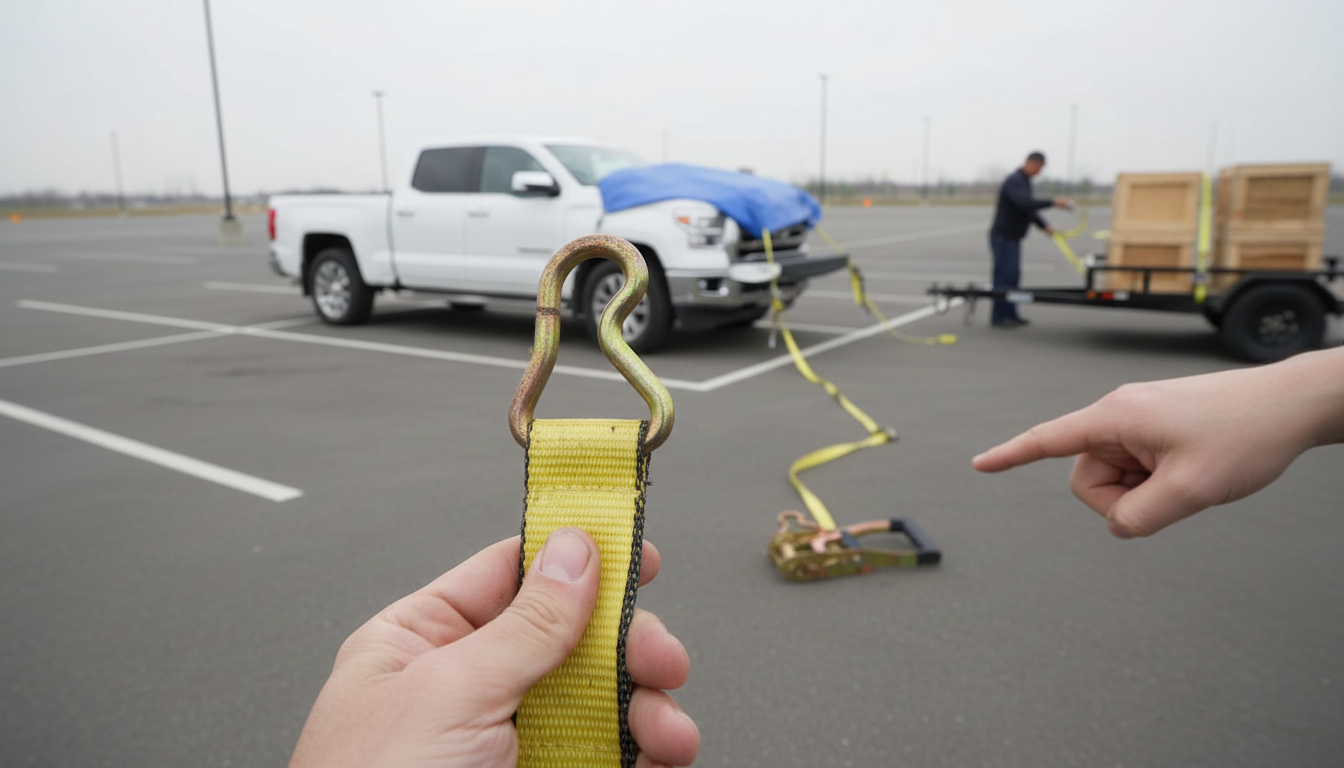
What is the life expectancy of a ratchet strap?
The life expectancy of a ratchet strap depends less on a fixed “expiration date” and more on how it’s used, stored, and inspected. With regular light-to-moderate use and good storage, many quality straps can last several years. In harsh conditions—constant sun exposure, abrasion on sharp edges, chemical contact, or frequent heavy loads—service life can drop significantly.
The webbing typically wears out before the ratchet mechanism. UV rays can fade and weaken polyester fibers over time, while rubbing against rough surfaces can cut or fray the strap. Dirt and grit can also work into the ratchet, accelerating wear and making it harder to lock and release smoothly.
What shortens a ratchet strap’s lifespan the fastest?
Overloading and shock loading (sudden jerks) are major strap killers because they stress both the stitching and fibers beyond their working load limits. Another common issue is edge damage: if the strap runs over corners without protection, even one trip can create serious cuts. Leaving straps outside—especially in direct sunlight or wet environments—also speeds up degradation and corrosion.
When should you replace a ratchet strap?
Replace a ratchet strap immediately if you see fraying, cuts, melted or glazed fibers (heat damage), broken stitching, knots in the webbing, or hardware that’s bent, cracked, heavily rusted, or not operating smoothly. If the strap smells strongly of chemicals or shows discoloration from solvents, it’s safer to retire it. When in doubt, replace—tie-down failure can damage cargo, vehicles, and people nearby.
How to help ratchet straps last longer
Keep webbing off sharp edges by using corner protectors, avoid dragging straps on pavement, and don’t store them wet. After use, let them dry, wipe off grit, and store them in a cool, dry place away from sunlight. Also avoid using tie-downs for lifting; ratchet straps are designed for securing loads, not overhead hoisting.
For a deeper look at choosing heavy-duty tie-downs and using them properly, see the main guide: https://candoral.com/guide-4-pack-10000-lb-ratchet-tie-down-straps-double-j-hooks/.
FAQ
How do you know if a ratchet strap is safe to use?
Check the webbing for cuts, fraying, melted spots, or damaged stitching, and confirm the ratchet and hooks aren’t bent, cracked, or heavily rusted. If the mechanism slips, won’t lock reliably, or the strap shows significant wear, replace it before securing any load.














Leave a comment