2L Pro Smoothie Blender: Stainless Steel Blades Guide
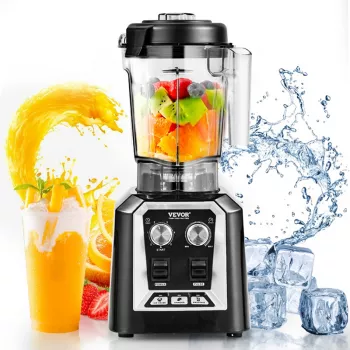
2L Professional Smoothie Blender with Stainless Steel Blades
A high-capacity blender can turn frozen fruit, ice, and leafy greens into smooth, drinkable blends in minutes. What separates an everyday blender from a professional-feeling one usually comes down to how confidently it handles tough ingredients, how consistently it circulates everything in the jar, and how easy it is to repeat results (and clean up afterward). Below is a practical breakdown of what to look for—especially when stainless steel blades and a 2L jar are on the checklist.
What Makes a Blender Feel “Professional” at Home
A “professional” experience at home is less about flashy features and more about reliable performance in real routines. These factors tend to matter most:
- Steady power under load: Frozen fruit, ice, and thick add-ins (like nut butters) should blend without constant stopping and stirring.
- Useful jar capacity: A larger jar supports both single servings and batch blends without frequent refills.
- Blade design that keeps ingredients moving: Good circulation helps prevent pockets of unblended greens or frozen chunks at the bottom.
- Controls you can “trust”: Pulse for chopping and controlled starts; longer runs for truly silky texture.
- Less friction in the details: A stable base, comfortable pour, and parts that rinse clean quickly make daily use more likely.
Stainless Steel Blades: Durability and Performance
Stainless steel blades are a staple in many higher-use kitchens because they’re built to handle moisture, repeated impact, and frequent washing. For smoothies, that translates to fewer frustrations over time—especially if citrus, berries, or pineapple show up often.
- Corrosion resistance: Helps blades hold up when blending acidic ingredients, reducing rust risk and discoloration.
- Edge retention: A well-made stainless edge tends to stay effective longer, supporting smoother texture for fibrous greens and frozen blends.
- Stronger blade assembly: A sturdier setup can reduce stalling and minimize the “unblended pocket” problem near the base of the jar.
- Care basics: Rinse soon after use, don’t let sugary blends dry on the blades, and dry thoroughly if hand-washing.
Blade Benefits at a Glance
| Feature | What it helps with | Best for |
|---|---|---|
| Stainless steel construction | Resists rust and staining with frequent use | Daily smoothies, acidic fruits |
| Multi-ingredient circulation | More even blending and fewer chunks | Leafy greens, thick shakes |
| Toughness under impact | Handles ice and frozen fruit more reliably | Frozen smoothie bowls, frappes |
| Easier cleanup after rinsing | Less residue buildup when cleaned promptly | Busy routines, batch prep |
2L Capacity: Who It Suits Best
A 2L jar is a sweet spot for households that want fewer blending cycles. It’s big enough to prep multiple servings at once, but still practical for everyday counter use in many kitchens.
- Batch prep for 2–4 servings: Blend once, pour portions, and refrigerate what you’ll use later.
- Family use and entertaining: One run can cover multiple smoothies, sauces, or crushed-ice drinks instead of repeating smaller batches.
- Meal prep flexibility: Beyond smoothies, a larger jar is handy for protein shake batches, pancake batter, or blended soups (where appropriate for your blender).
- Practical note for thick blends: Very dense mixes may need an extra splash of liquid or a quick pause to scrape down the sides so everything circulates evenly.
Everyday Uses Beyond Smoothies
Once a blender can reliably handle frozen ingredients, it becomes a multi-purpose tool instead of a single-task appliance.
How to Get Smoother Results (Blending Order and Technique)
Cleaning, Maintenance, and Food-Safety Habits
- Quick-clean method: Add warm water plus a drop of dish soap, run briefly, then rinse well.
- Deep clean: Wash removable parts per the manufacturer’s guidance; check around the blade area for trapped pulp.
- Avoid residue: Rinse immediately after sweet blends (banana, dates, honey) to prevent hard-to-remove film.
- Food-safety basics: Refrigerate perishable ingredients promptly and avoid leaving dairy-based smoothies at room temperature for extended periods. Refer to USDA FSIS leftovers guidance and the FDA food storage and safety overview for safe handling reminders.
- Inspect periodically: Look for dulling, jar cracks, or looseness in the blade assembly and address issues early.
Product Spotlight: 2L Professional Smoothie Blender with Stainless Steel Blades
If the goal is fewer blending cycles and consistent texture across frozen fruit, ice, and greens, a large jar plus stainless steel blades is a practical combination. The 2L Professional Smoothie Blender with Stainless Steel Blades is designed for batch smoothies, shakes, and blended drinks, with a capacity that supports multiple servings in one run.
Quick Specs to Check Before Buying
| Detail | What to confirm |
|---|---|
| Jar capacity | 2L total capacity and usable fill level for thick blends |
| Blade material | Stainless steel and blade assembly sturdiness |
| Cleaning approach | Whether parts disassemble easily; quick-clean compatibility |
| Footprint | Counter space and storage height with jar attached |
Other In-Stock Picks to Browse
- Carbon Fiber–Style Steering Wheel Cover with Honeycomb Anti-Slip Grip
- 80 PSI Portable Bike Pump with Dual Valve & Tool Kit
- Winter Luxury Striped Pet Jumpsuit
Who Should Choose This Style of Blender
FAQ
Do stainless steel blender blades stay sharper longer?
Stainless steel generally offers strong edge retention and better corrosion resistance, so blades can stay effective longer with regular smoothie use. Blending ice and very hard ingredients will still cause wear over time, so rinsing promptly, avoiding dried-on residue, and drying after hand-washing can help slow dulling.
Is a 2L blender too large for single smoothies?
A 2L blender can still handle single servings, but results are better when you meet the minimum liquid needed for circulation. Use liquids first, avoid under-filling with only frozen ingredients, and refrigerate leftovers if you prefer to blend a larger batch once.
How can frozen fruit be blended without the motor stalling?
Start with liquids, add softer ingredients, then top with frozen fruit and ice; pulse briefly to break big chunks before running continuously. If it stalls, pause to redistribute, add a small splash of liquid, and avoid overpacking so the mixture can circulate smoothly.













Leave a comment