Find Your Home Decor Style: A Printable Checklist Guide
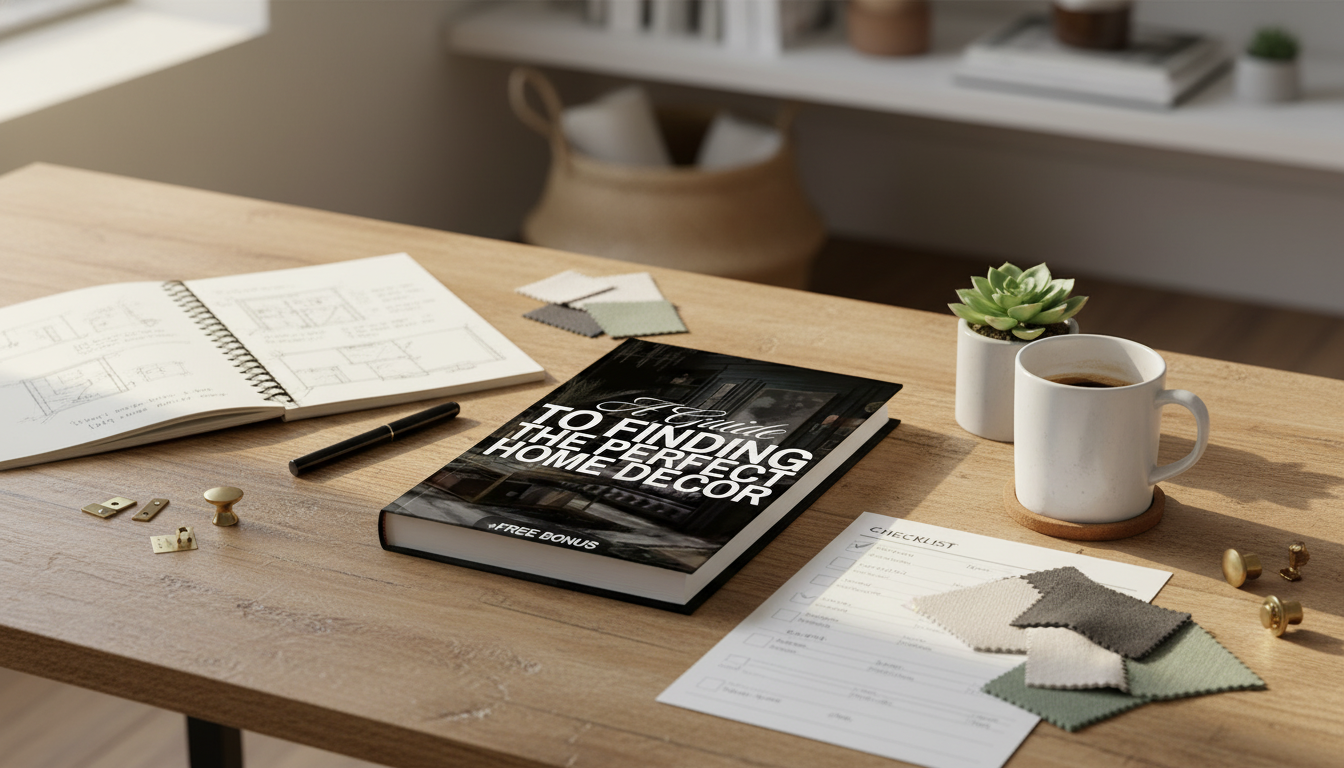
A Guide to Finding the Perfect Home Decor Style (With a Printable Checklist)
A cohesive home starts with a clear point of view. Instead of chasing trends or buying “pretty” pieces that don’t quite work together, use a simple, repeatable process to identify the styles, colors, textures, and shapes that feel right—then turn that clarity into confident purchases and room-by-room decisions.
Start with a 10-minute style snapshot
Speed matters here: quick choices reveal instinct. Set a timer and collect 10 images that consistently feel “right” (save from any source): 3 living rooms, 3 bedrooms, 2 dining areas, and 2 detail shots (lighting, textiles, shelving).
- Circle what repeats: light vs. dark woods, clean lines vs. curves, quiet vs. bold pattern, minimal vs. layered decor.
- Write 5 adjectives that describe the images (airy, grounded, tailored, warm, playful). These become your filter when you shop.
- If you’re stuck between “cozy” and “clean,” keep both—then use materials (linen, wool, wood) to soften a simpler silhouette.
Clarify how each room needs to function
Style works best when it solves a problem first, then adds beauty on top. Before picking colors or accessories, define what the room must do for daily life.
- List the top 3 activities per room (sleep + read + store clothing; host + work + relax).
- Identify the “pressure point” that causes clutter or frustration (no landing zone, not enough closed storage, poor lighting).
- Set one non-negotiable outcome per room (nightstand must hide cables; entry must hold shoes).
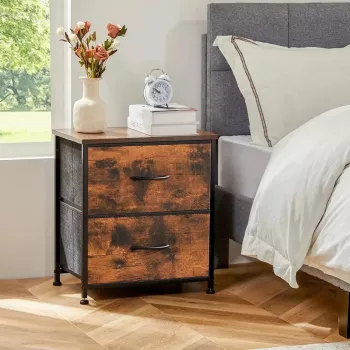
If a bedroom feels messy no matter how pretty the bedding is, the missing piece is usually closed storage and a true “end-of-day” surface. A compact option like a Modern Nightstand with Storage – 2 Fabric Drawers, Wood Top, Steel Frame supports both function (hidden charging cords, contained clutter) and style (a clean, modern outline).
Find your style mix (most homes are 2–3 styles, not one)
Most rooms look best when they’re anchored by one dominant style and gently energized by one or two supporting directions.
- Pick a base style that matches the architecture and big furniture (what’s hardest to replace).
- Add one accent style for personality (art, textiles, decor, lighting).
- Limit the mix to a 70/20/10 ratio: 70% base, 20% secondary, 10% accent to avoid visual “noise.”
Quick style decoder: what to look for in images and products
| Style direction | Shapes & lines | Materials | Typical color feel | Easy first purchase |
|---|---|---|---|---|
| Modern | Clean, straight, minimal detailing | Metal, glass, smooth wood, matte finishes | Neutral, high contrast, restrained accents | Simple lamp or streamlined side table |
| Scandinavian | Soft minimalism, light silhouettes | Light woods, linen, wool, ceramic | Light neutrals, gentle pastels, black accents | Textured throw + light wood tray |
| Boho | Relaxed mix, layered shapes | Rattan, macramé, carved wood, global textiles | Warm neutrals + earthy tones + pattern | Pillows/rug with a repeatable motif |
| Traditional | Classic proportions, curves, trim details | Dark woods, brass, tufting, framed art | Warm neutrals, deep heritage tones | Pair of framed prints or classic table lamp |
| Industrial | Sturdy, structural, utilitarian | Steel, reclaimed wood, concrete, leather | Charcoal, brown, muted neutrals | Metal-and-wood storage piece |
Build a color palette that stays consistent
A palette doesn’t mean every room matches. It means the colors relate, so the home feels intentional as you move from space to space.
- Choose a “core neutral” that appears in most rooms (warm white, soft greige, or a gentle taupe). Helpful references: Sherwin-Williams Color Education.
- Add one wood tone direction (light oak, medium walnut, or dark espresso) and keep it dominant across major pieces.
- Pick 2 accent colors: one calm (sage, dusty blue) and one energizing (terracotta, mustard, black).
- Use a simple ratio per room: 60% core neutral, 30% secondary neutral/wood, 10% accent.
If you want seasonal flexibility, keep your “10% accent” portable—pillows, throws, tabletop decor—so a refresh doesn’t require replacing anchor pieces. For color inspiration and naming conventions, Pantone Color Institute is a solid reference point.
Use texture and finish to make the space feel intentional
Texture is the difference between “nice” and “designed.” Even a neutral room feels rich when you balance tactile and smooth surfaces.
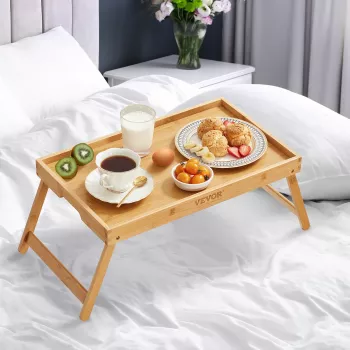
One easy texture layer that works across modern, Scandinavian, and relaxed transitional spaces is a warm wood accessory. A Bamboo Breakfast Tray with Folding Legs for Sofa Bed, Adjustable Serving Laptop Desk adds natural grain, doubles as a functional surface, and looks at home on a sofa, bed, or open shelving.
Room-by-room checklist to avoid impulse buys
Before purchasing decor, confirm: (1) it supports the room’s function, (2) it matches the palette, (3) it repeats a material/finish already present, and (4) it has a defined home. For space planning fundamentals (clearances, circulation), the National Kitchen & Bath Association (NKBA) Planning Guidelines are a practical reference even beyond kitchens and baths.
Turn inspiration into a shopping plan you can follow
If you want the process laid out step-by-step (with guided prompts and a printable room checklist), A Guide to Finding the Perfect Home Decor | Digital Download | How to Find Your Home Decor Style | eBook & Checklist for Interior Inspiration is designed to turn saved images into clear decisions you can actually follow.
Digital download: eBook + checklist for interior inspiration
FAQ
How do you figure out your home decor style if you like everything?
Use a constraint: choose 10 favorite images, extract repeating elements (palette, shapes, materials), then commit to a 70/20/10 style mix so decisions stay consistent as you shop.
How can a home look cohesive without matching every room?
Repeat a core neutral, one dominant wood tone, and one or two consistent finishes (like black metal or brass), then let accent colors and art vary by room for personality.
What should be bought first when decorating a room?
Start with function and scale: the largest anchors (rug/sofa/bed), then lighting, then storage—then add decor and finishing touches once the room works day to day.









Leave a comment