Cozy Hooded Knit Sweater Fit Guide for Small Pets
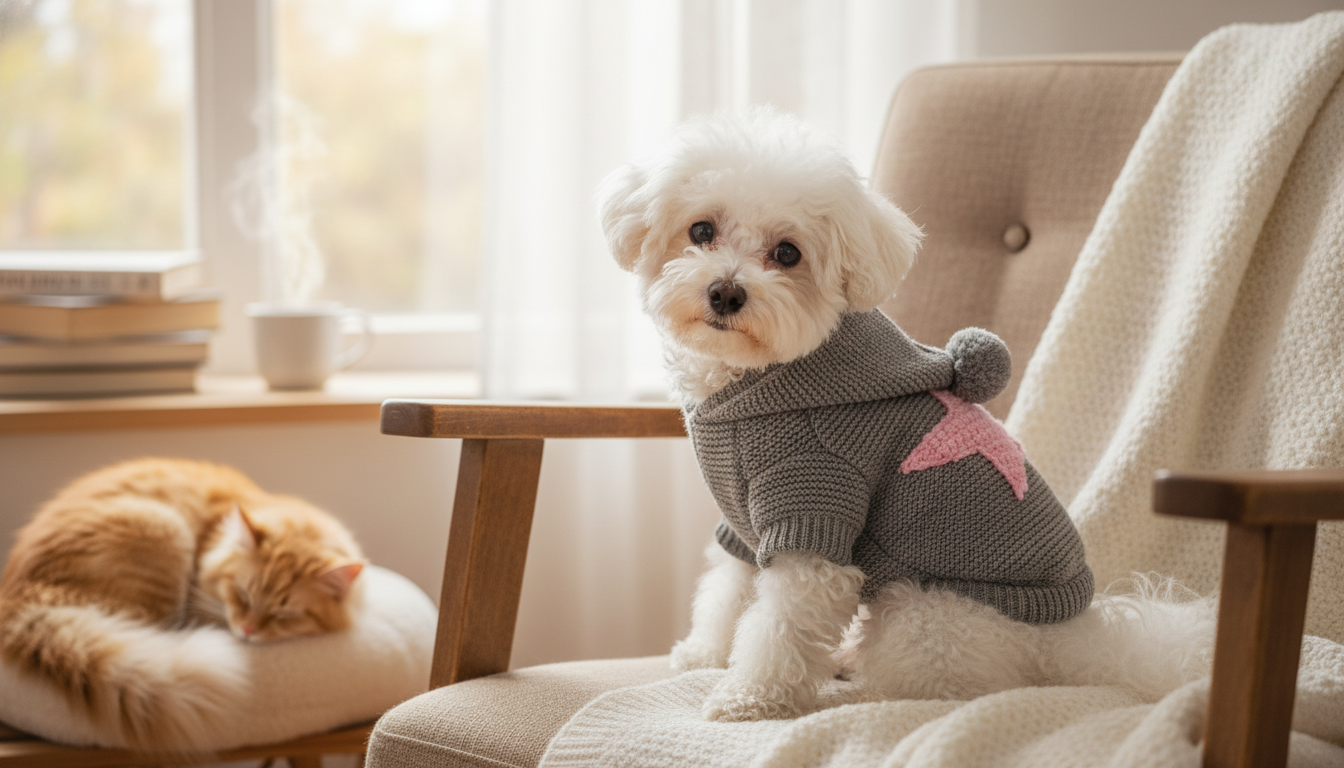
Warm Knitted Hooded Pet Sweater for Small Dogs and Cats: Cozy Coverage for Chilly Days
Cold weather can hit small pets fast, especially on short walks, drafty mornings, or in air-conditioned homes. A knitted hooded sweater adds warmth where it matters most—core and neck—while keeping movement easy for play and potty breaks. Below are practical ways to choose the right fit, keep your pet comfortable, and make a hooded knit sweater part of a low-fuss cold-weather routine.
What Makes a Hooded Knit Sweater Practical
Knitted sweaters are popular for a reason: the fabric naturally traps warm air while remaining flexible. That stretch matters for small dogs and cats who twist, hop, and zoom around the house—even when it’s chilly.
- Warmth without stiffness: Knit construction insulates while allowing a natural stride and easy shoulder movement.
- Extra coverage up top: A hood can help reduce drafts around the neck and ears during breezy walks or cold hallways.
- Easy layering: On extra-cold days, a knit sweater works neatly under a light jacket or coat.
- Great for “cold-sensitive” pets: Helpful for toy breeds, short-haired pets, seniors, and pets who get chilly after grooming.
For general winter safety reminders—like limiting time outdoors in harsh conditions and watching for discomfort—reliable guidance is available from the American Veterinary Medical Association (AVMA) and the ASPCA.
Fit and Comfort: Getting the Size Right
The best sweater is the one your pet forgets they’re wearing. Before buying, measure:
- Chest girth: Widest part of the ribcage, just behind the front legs.
- Neck: Where a collar naturally rests (not too high near the jaw).
- Back length: From the base of the neck to the base of the tail.
Aim for a snug-but-not-tight feel. A useful rule: at the chest, you should be able to slide two fingers between sweater and body without forcing it. If your pet has thick fur or a broad chest and measurements fall between sizes, sizing up usually prevents rubbing.
Pay close attention to the front leg openings. If the knit sits too close to the armpits, it can cause chafing on walks. For cats, prioritize a secure chest fit to prevent twisting during jumps, and keep the hood lightweight so it doesn’t limit head movement.
Quick Fit Check Before the First Walk
| Check | What to Look For | Fix If Needed |
|---|---|---|
| Chest | Breathing stays normal; no bulging or digging in | Size up or adjust placement so knit sits evenly |
| Armpits | No rubbing when the pet steps forward | Reposition sweater; consider a different cut/size |
| Back length | Covers core without blocking tail or potty area | Shorten fold at hem or size down if too long |
| Neck/hood | Neck sits flat; hood doesn’t press on throat | Keep hood down; ensure collar/harness isn’t trapped |
| Movement | Can sit, climb stairs, and play normally | Remove and re-check sizing and leg openings |
Warmth Without Overheating
Small pets can chill quickly, but they can also overheat indoors—especially in heated rooms or during active play. Use a sweater strategically:
- Indoors: Helpful on tile floors, near drafty windows, or after a bath. If your pet starts panting, seems restless, or seeks cool surfaces, remove it.
- Outdoors: Ideal for mild-to-cold weather. In wet snow or rain, add a water-resistant top layer to keep the knit from getting soaked.
- Hood control: Use the hood when the air is breezy; keep it off the head when your pet is sprinting, wrestling, or needs clearer peripheral vision.
- Safety first: Avoid leaving clothes on unsupervised pets that chew fabric or get anxious when dressed.
For more cold-weather precautions (including recognizing when it’s too cold for your dog), the American Kennel Club (AKC) offers practical tips.
Style, Visibility, and Everyday Convenience
A hooded silhouette isn’t just cute—it can reduce wind chill around the neck and give a cozy, casual look that works for quick outings. For daily convenience, a few details make a difference:
Care and Longevity
When a Sweater Is a Good (or Bad) Idea
Featured Picks for Cozy Days (In Stock)
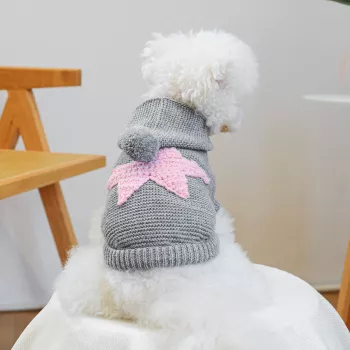
- Warm Knitted Hooded Pet Sweater for Small Dogs and Cats ($13.67) — a lightweight, hooded knit option for quick chilly walks and indoor lounging.
- Bamboo Breakfast Tray with Folding Legs for Sofa Bed, Adjustable Serving Laptop Desk ($29.82) — handy for keeping pet essentials (wipes, treats, lint roller) organized while you relax on the couch.
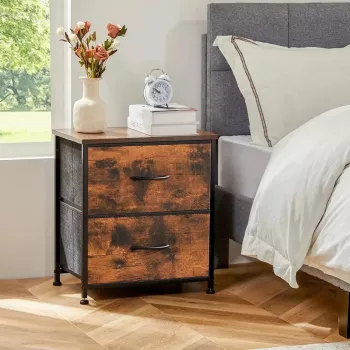
- Modern Nightstand with Storage – 2 Fabric Drawers, Wood Top, Steel Frame ($26.51) — an easy spot to store leashes, paw balm, and a spare sweater near the door.
Product Snapshot
| Detail | Info |
|---|---|
| Item | Warm Knitted Hooded Pet Sweater for Small Dogs and Cats |
| Availability | In stock |
| Price | 13.67 USD |
| Best for | Small dogs and cats in cool conditions |
| Use cases | Chilly walks, indoor drafts, post-grooming warmth |
FAQ
How do you measure a dog or cat for a sweater?
Measure chest girth (widest point behind the front legs), neck circumference, and back length from neck base to tail base. Choose a snug-but-not-tight fit—two fingers should slide under the sweater at the chest. If your pet is between sizes or has thick fur, sizing up usually prevents rubbing.
Can cats safely wear hooded sweaters?
Yes, many cats can wear them safely with supervision, as long as the sweater doesn’t restrict the shoulders, chest, or vision. If the hood annoys your cat, keep it down and ensure the neck area sits flat. Remove the sweater if your cat shows stress signals like freezing, excessive grooming, or frantic attempts to escape.
How long can a pet wear a knitted sweater?
Start with short sessions (10–20 minutes) and check for rubbing, panting, or restlessness. If your pet stays comfortable, you can extend wear time, but remove it for unsupervised sleep or if the sweater becomes damp. Regular skin checks at the armpits and neck help prevent irritation.














Leave a comment