Foot & Calf Massager Guide: Heat, Air Pressure & Shiatsu
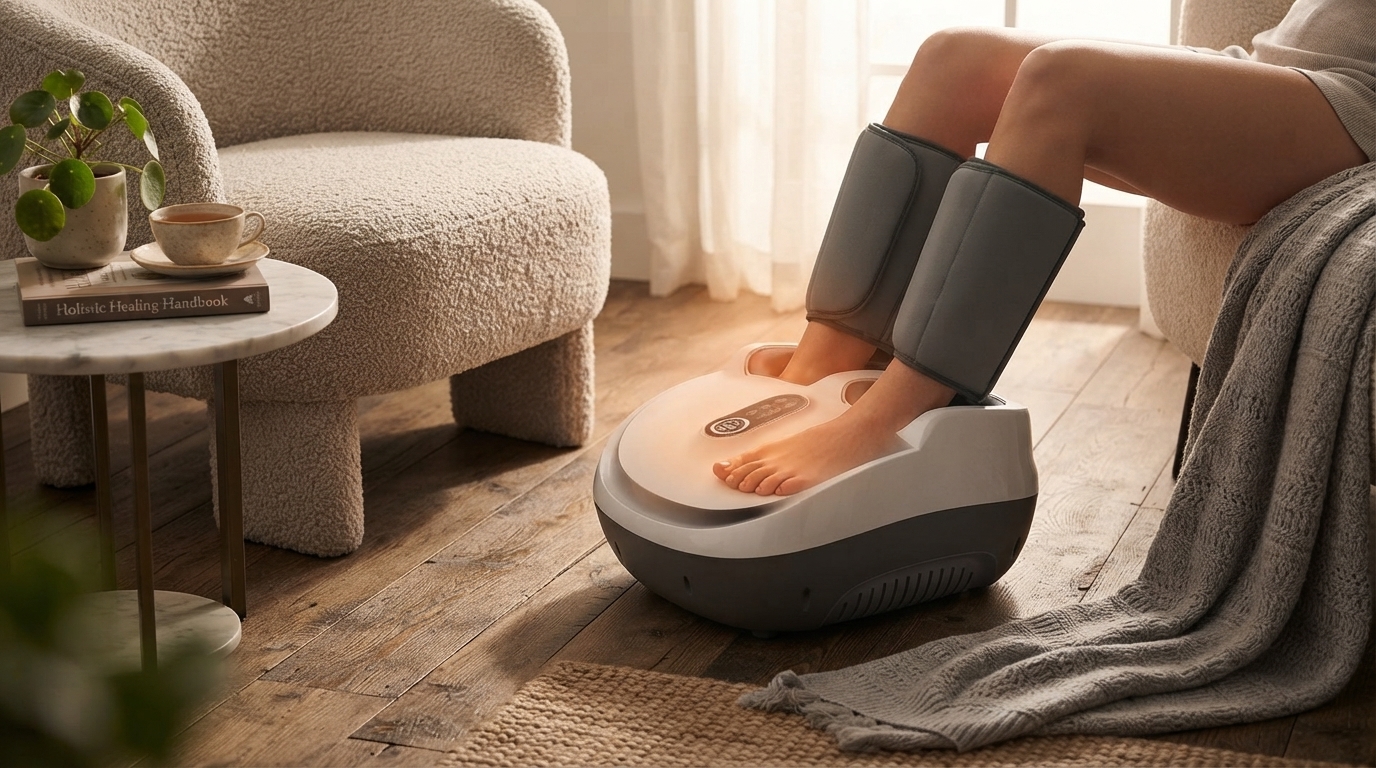
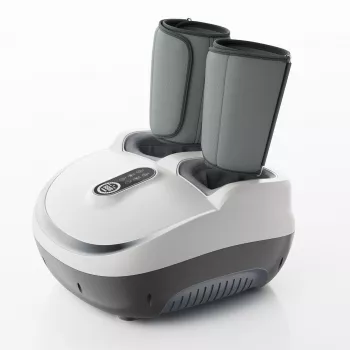
Ultimate Foot & Calf Massager with Heat, Air Pressure & Shiatsu Therapy
A foot-and-calf massager can turn end-of-day soreness into real relief by combining kneading, compression, and heat in one routine. The right blend of sensations helps when your legs feel heavy after long standing, your arches feel tight after a walk, or your calves feel “locked up” after training. This guide explains how heat, air pressure, and shiatsu-style rollers work together, what to expect from sessions, and how to use the Ultimate Foot & Calf Massager with Heat, Air Pressure & Shiatsu Therapy safely and comfortably at home.
What This Massager Is Designed to Do
This style of massager is built for everyday comfort and recovery—especially when your feet and calves need attention at the same time. Instead of switching between separate devices, one unit can address multiple “hot spots” in a single session.
- Targets common lower-leg discomfort from long standing, running, travel, or desk work by working the feet and calves in one unit.
- Combines three sensations—shiatsu-style kneading, air-pressure compression, and heat—to address both surface tightness and deeper muscle fatigue.
- Supports daily recovery routines: a pre-bed wind-down, post-workout cooldown, or a mid-day reset.
- Intended for comfort and wellness use; not a replacement for medical care when pain is severe, sudden, or persistent.
How Heat, Air Pressure, and Shiatsu Therapy Work Together
Relief often feels best when the experience is layered. Each component targets a slightly different “type” of discomfort, and combining them can make sessions feel smoother and more tolerable.
Shiatsu-style kneading
Rotating nodes or rollers mimic firm thumb pressure. This can be especially satisfying for arch fatigue and calf knots where tight tissue benefits from focused contact. For some users, rollers can feel intense at first—adjustability matters.
Air pressure compression
Inflatable chambers create rhythmic squeezing around the feet and calves. Many people describe it as a gentle “hug” that helps when legs feel heavy after standing or sitting too long. It’s also a great option for users who prefer less direct pressure than rollers.
Heat
Warming the area can improve comfort and help muscles feel less guarded so the rest of the massage feels smoother. For general guidance on safe heat use, see MedlinePlus: Heat therapy.
Layered use for better comfort
A practical approach is to start with compression and heat, then add kneading once your feet and calves feel more receptive. This “warm-up first” flow can reduce sensitivity and make higher settings feel less abrupt.
Quick Specs and What They Mean for Daily Use
Use the snapshot below to match features to the kind of relief you want—compression-forward, kneading-forward, or a balanced routine. When comparing settings, prioritize adjustability (intensity levels, heat on/off, mode changes) so you can avoid “too much, too soon.” Also look for a stable base and enough internal space to position both feet and calves comfortably.
| Feature | What it does | Best for |
|---|---|---|
| Heat function | Adds warming to increase comfort and help muscles relax | Cold feet, evening wind-down, stiffness after inactivity |
| Air pressure compression | Rhythmic squeeze around foot/calf areas | Swelling-feel discomfort, long-standing fatigue, users sensitive to rollers |
| Shiatsu-style kneading | Rolling pressure that mimics massage thumbs | Plantar tightness, arch fatigue, calf knots |
| Multiple modes/intensities | Lets sessions stay comfortable and progressive | Beginners, shared households, different recovery days |
| Foot + calf coverage | Treats both areas without switching devices | Post-walk soreness, runner recovery, workday leg fatigue |
Who It Tends to Help Most
- People on their feet all day: retail, hospitality, healthcare, teaching, and warehouse roles.
- Walkers and runners: supports recovery by easing the tight, heavy feeling in calves and arches.
- Desk workers: helps counter the dull ache and tension that can build with low movement.
- Frequent travelers: compression plus heat can feel especially soothing after long flights or drives.
- Anyone building a consistent self-care routine: guided, repeatable sessions make it easier to stick with.
If foot discomfort includes classic heel/arch symptoms, it may help to understand common causes and when to seek care; see Mayo Clinic: Plantar fasciitis.
How to Use It for Better Comfort (Sample Routines)
Comfort improves when you treat intensity like a dial, not a challenge. Plan for a short “acclimation week,” especially if your calves are tender or your arches are sensitive.
Comfort, Fit, and Placement Tips
Safety Notes and When to Check With a Clinician
For more context on massage therapy and general benefits/considerations, see Cleveland Clinic: Massage Therapy.
Getting the Most Value From a Premium Massager
Recommended In-Stock Picks
- Ultimate Foot & Calf Massager with Heat, Air Pressure & Shiatsu Therapy — a complete foot + calf routine with warming, compression, and kneading for at-home recovery.
- Weatherproof Heated Motorcycle Jacket — a practical add-on for cold-weather commuting or travel days when staying warm helps you feel looser before and after activity.
FAQ
How long should a typical session last?
A practical range is 10–20 minutes. If you’re new or feeling tender, start closer to 10 minutes on low intensity and increase gradually; stop immediately if you feel numbness, sharp pain, or worsening discomfort.
Is heat safe to use every day?
Daily heat is commonly fine when it feels gentle and comfortable, especially for relaxing tight muscles. Avoid excessive heat, use extra caution if you have reduced sensation, and check with a clinician if you have circulation or neuropathy concerns.
Can it help with tired calves after standing all day?
Yes—air-pressure compression plus kneading often helps ease the heavy, tight feeling that builds up after long standing. Start with compression and heat first, then add kneading as tolerated to avoid overdoing it.












Leave a comment