2-Pack Reusable Microfiber Mop Pads: Wet & Dry
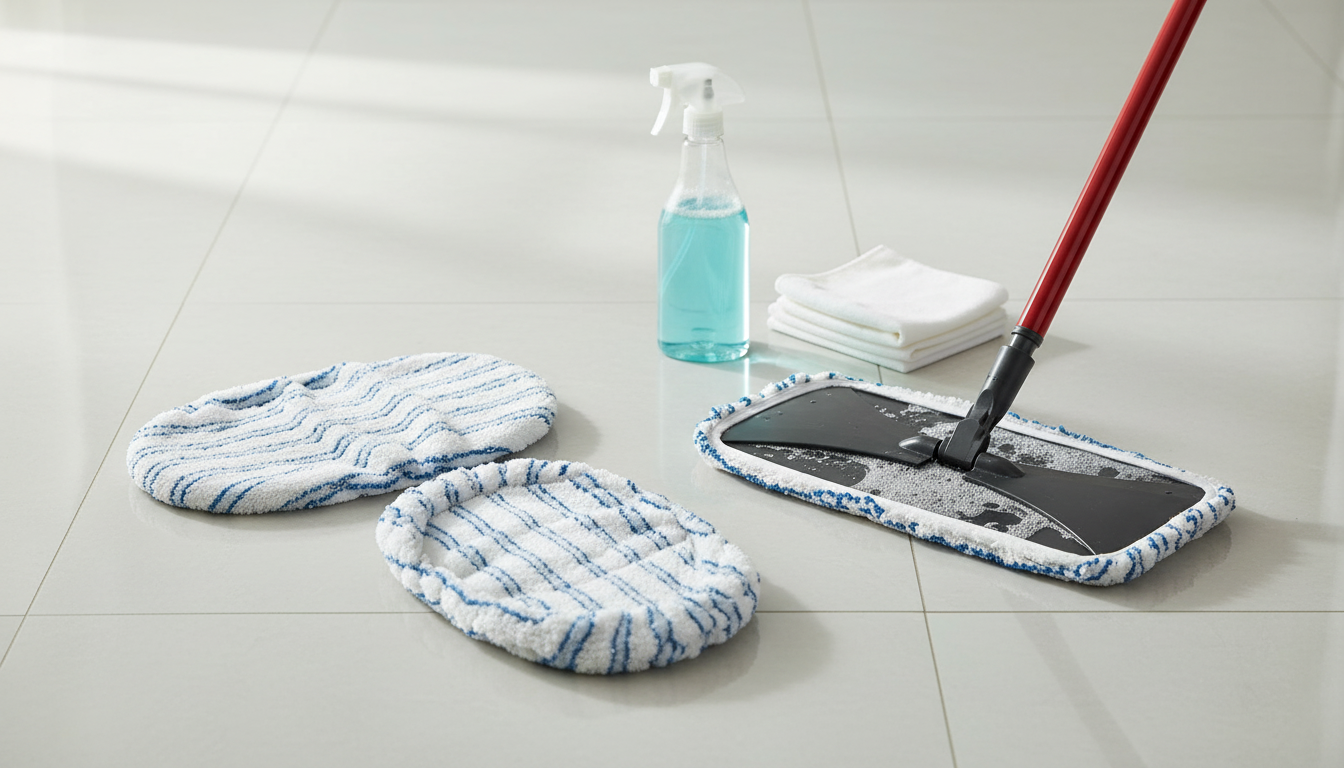
Reusable Microfiber Mop Pads for Wet & Dry Floor Cleaning – 2‑Pack: Cleaner Floors, Less Waste
Reusable microfiber mop pads make routine floor care simpler by handling both dry dust pickup and wet mopping with the same pad format. This 2‑pack is designed for quick swaps—one pad in use, one ready—while cutting down on disposable refills and supporting consistent, streak-minimizing results across common hard-floor surfaces.
What reusable microfiber mop pads do differently
Microfiber isn’t just “soft fabric.” The dense, fine fibers are built to grab what typical cloths and some disposable pads can push around.
- During dry passes, microfiber fibers lift and trap dust, hair, and fine grit, helping reduce the “crumb trail” effect that some pads leave behind.
- For wet cleaning, microfiber helps spread water and cleaner evenly, improving contact with the floor so soils release with fewer strokes.
- Reusable pads reduce ongoing waste compared with single-use refills and can be rotated through wash cycles for repeated use.
- A 2‑pack supports a simple routine: start with a dry pad for debris, then swap to a damp pad for stuck-on spots.
Wet vs. dry cleaning: when to use each
Most “dirty floor” problems are really two different jobs: removing loose debris (best handled dry) and dissolving or lifting films and sticky residue (best handled damp).
- Dry mopping works best for daily maintenance: dust, pet hair, tracked-in dirt, and crumbs on hard floors.
- Wet mopping is ideal for spills, footprints, kitchen grease haze, and sticky spots that dry passes won’t remove.
- A two-step approach (dry then damp) helps prevent turning gritty debris into scratch-prone slurry on sensitive finishes.
- Use minimal moisture on water-sensitive flooring and avoid leaving standing water along seams and edges.
| Task | Pad prep | Best for | Helpful tip |
|---|---|---|---|
| Dry dust pickup | Use pad completely dry | Dust, hair, light debris | Shake out debris into a bin before washing to protect the washer filter |
| Damp maintenance clean | Lightly dampen with water or a diluted cleaner | Footprints, light grime | Wring until the pad feels just barely damp to reduce streaking |
| Spot cleanup | Dampen a corner or targeted area | Sticky spots and spills | Let cleaner dwell 1–2 minutes, then scrub with short strokes |
| Post-wet drying pass | Use a clean, dry pad | Reducing streaks and water marks | Especially useful on glossy tile or sealed stone |
Where they fit in a simple weekly floor routine
A reusable two-pad setup works well because most homes need quick “reset” cleaning more often than deep cleaning. Rotating between dry pickup and damp wiping keeps grit down (which helps finishes last longer) and cuts the time you spend re-cleaning missed specks.
- High-traffic zones (entryway, kitchen, hall): dry mop most days to keep grit down; damp mop 1–2 times weekly.
- Bathrooms: damp mop more frequently due to residues; finish with a brief dry pass to reduce water spotting.
- Pet areas: dry mop daily for hair; damp mop as needed for paw prints and drool spots.
- Seasonal adjustments: increase dry passes during pollen season or winter salt/grit months.
For homes with shedding pets, pairing floor upkeep with a pet-friendly space can also help keep fur localized. If you’re upgrading pet lounging areas, the Luxury Plush Pet Cradle Bed: Deluxe Fleece & Velvet Sofa for Dogs & Cats can help concentrate pet hair to a washable zone rather than across the room.
Surface tips: tile, laminate, vinyl, sealed wood, and more
Microfiber is versatile, but moisture level and product choice should match the flooring type.
When choosing cleaning products, it can help to follow established safety and usage guidance. The U.S. EPA Safer Choice program offers helpful direction on selecting products with safer ingredients, and the CDC’s cleaning and disinfecting guidance clarifies when cleaning alone is sufficient versus when disinfection is appropriate.
Care and washing: keeping pads absorbent and effective
Getting better results with less cleaner
Featured in-stock picks for everyday cleaning (and pet-friendly homes)
- Reusable Microfiber Mop Pads for Wet & Dry Floor Cleaning – 2‑Pack — a practical two-pad setup for rotating between dry dust pickup and damp mopping without stopping to wash mid-clean.
- Luxury Plush Pet Cradle Bed: Deluxe Fleece & Velvet Sofa for Dogs & Cats — helps keep pet lounging (and shed fur) more contained, making daily dry mopping faster.
- Deluxe Cat Climbing Tree & Claw Sharpener — encourages scratching in one spot, which can reduce scattered debris and make quick floor touch-ups more predictable.
FAQ
How often should reusable microfiber mop pads be washed?
Wash after each wet-mopping session, and after a few dry uses (or sooner if they look dirty or you used them for heavy pet hair). If you notice odor or streaking, wash right away and skip fabric softener.
Can microfiber mop pads be used on laminate and hardwood floors?
Yes on most laminate and sealed hardwood as long as the pad is only lightly damp and you don’t leave standing water. When in doubt, follow your flooring manufacturer’s care guidance and finish with a dry pass if any moisture remains.
Why do floors look streaky after mopping with microfiber?
Streaks usually come from too much cleaner, detergent residue left in the pad, hard water, or using a pad that’s overly wet. Rinse pads thoroughly, reduce solution strength, and do a final pass with a clean, dry pad.













Leave a comment