Weatherproof Combination Bike Chain Lock: How to Use It
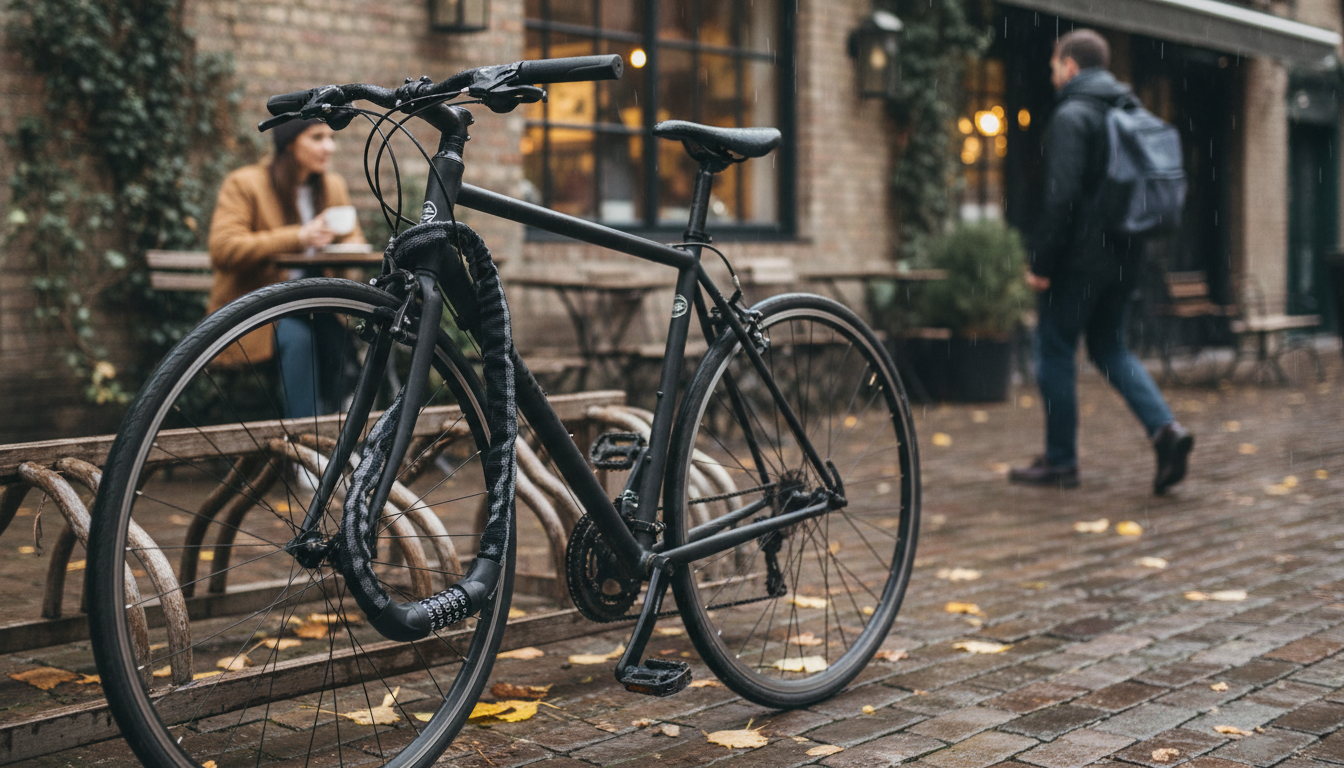
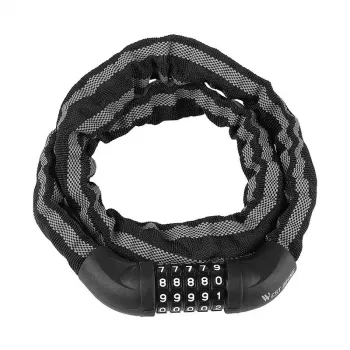
Heavy-Duty Anti-Theft Bike Chain Lock with Weatherproof Password Security
A chain lock with a resettable password offers a practical balance of strong cut resistance, flexible locking positions, and key-free convenience. This guide breaks down what to look for, how to use it correctly on real-world bike racks, and how weatherproof construction helps keep the lock working smoothly through rain, road grime, and temperature swings.
What this lock is designed to do
- Secure a bicycle or e-bike frame to an immovable object using a hardened chain plus combination mechanism.
- Reduce common theft methods like quick snips, leverage attacks, and opportunistic grab-and-go attempts.
- Stay usable in outdoor conditions with weather-resistant components and a protective covering that helps prevent scratching.
For daily riders, the biggest advantage of a chain-style design is flexibility: it can wrap around thicker posts, odd-shaped racks, or multiple anchor points while still letting you prioritize the frame.
Security fundamentals that matter most
Chain thickness and steel hardness
Chains generally outperform thin cable locks because each hardened link resists quick cuts and forces thieves toward louder, more time-consuming tools. A thicker, hardened chain doesn’t make theft impossible—it increases the time and effort needed, which is often the real deterrent.
Lock body strength at the closure point
The combination housing is the “decision point” for many attacks: pulling, prying, twisting, or trying to pop the mechanism under stress. A solid lock body with a tight, well-aligned closure reduces the odds of a fast failure.
Anti-pick advantage (and what it doesn’t solve)
Combination locks remove the risk of keyway picking because there’s no key cylinder. That said, overall security still depends on materials, build quality, and how you position the lock.
Attack-time reality
No lock is theft-proof. The practical goal is to increase time, noise, and tool requirements—especially in the real world where thieves prefer fast, quiet wins. For more on ratings and how locks are tested, see Sold Secure.
Weatherproof password security: what it should include
Moisture resistance
Rain, snow, and coastal humidity can cause internal corrosion that makes dials stiff or inconsistent. Weather-resistant construction helps keep the combination mechanism turning smoothly and reduces the chance of a lock “seizing” after repeated soak-and-dry cycles.
Dirt and grit tolerance
Outdoor locks collect dust, sand, and road salt. A better-sealed mechanism and protective design help prevent gritty buildup that can jam moving parts and make dialing frustrating when you’re in a hurry.
Protective sleeve for the chain
A durable outer cover helps reduce frame scratches and slows down corrosion by limiting direct exposure to water and grime. It also makes the chain quieter and less likely to chip paint on contact.
Cold-weather usability
When temperatures drop, poorly protected components can bind. A weatherproof combination mechanism is less likely to freeze up or become difficult to turn during winter commutes.
How to set and manage the combination
How to lock a bike correctly with a chain
| Step | What to do | Why it helps |
|---|---|---|
| 1 | Secure frame to an immovable object | Prevents lifting and carrying away the bike |
| 2 | Minimize slack and keep chain off the ground | Reduces leverage and makes tool use harder |
| 3 | Lock body facing down/inward when possible | Limits access and exposure to rain/grit |
| 4 | Add wheel security if needed | Stops easy wheel theft on quick-release setups |
For visual lock-up best practices and common rack scenarios, see Kryptonite’s guide to proper lockup. Pairing strong technique with smart parking (well-lit, high-traffic areas) increases real-world deterrence.
Fit, carry, and everyday usability
Care and maintenance for smooth dialing
For broader bicycle safety resources (including visibility and safe riding reminders that complement theft prevention), visit NHTSA’s bicycle safety page.
Who this lock is a strong match for
Product options
For a combination-based chain lock built for outdoor use and daily routines, consider the Heavy-Duty Anti-Theft Bike Chain Lock with Weatherproof Password Security. It’s a practical upgrade when you want solid deterrence without keeping track of keys. If you’re comparing similar styles, this weatherproof password chain lock is designed to stay usable through messy commutes.
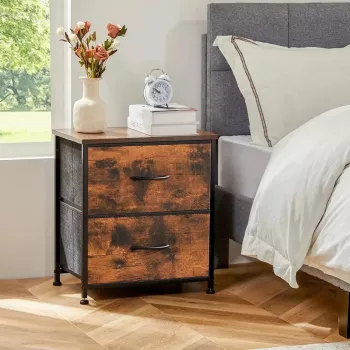
For at-home organization that keeps everyday carry items (helmet lights, gloves, chargers, and a spare cable) easy to grab, the Modern Nightstand with Storage – 2 Fabric Drawers, Wood Top, Steel Frame can work as a compact gear station near the door.
If your routine includes quick maintenance or device charging at your parking spot or balcony, the Bamboo Breakfast Tray with Folding Legs for Sofa Bed, Adjustable Serving Laptop Desk can double as a small, movable surface for tools, a pump, or a laptop while you keep an eye on your bike.
FAQ
Can a combination bike chain lock be used in heavy rain or snow?
Yes—weather-resistant construction helps reduce corrosion and dial stiffness, but performance improves when you wipe the lock after storms and occasionally apply a lock-safe dry lubricant. After snowy or salty conditions, a quick rinse and dry can prevent gritty buildup.
What should be locked first: the wheel or the frame?
Lock the frame to an immovable object first, because a secured wheel doesn’t stop someone from carrying off the bike. If chain length allows, loop in the rear wheel next; add a secondary lock for the front wheel when needed.
How can slack in a chain lock make theft easier?
Excess slack creates room for leverage and can allow ground-assisted attacks where tools gain power and stability. Keep the chain tight and off the ground, and position the lock body where it’s harder to brace tools against it.














Leave a comment