White Leather Vans for Fall/Winter: Fit, Grip, Care
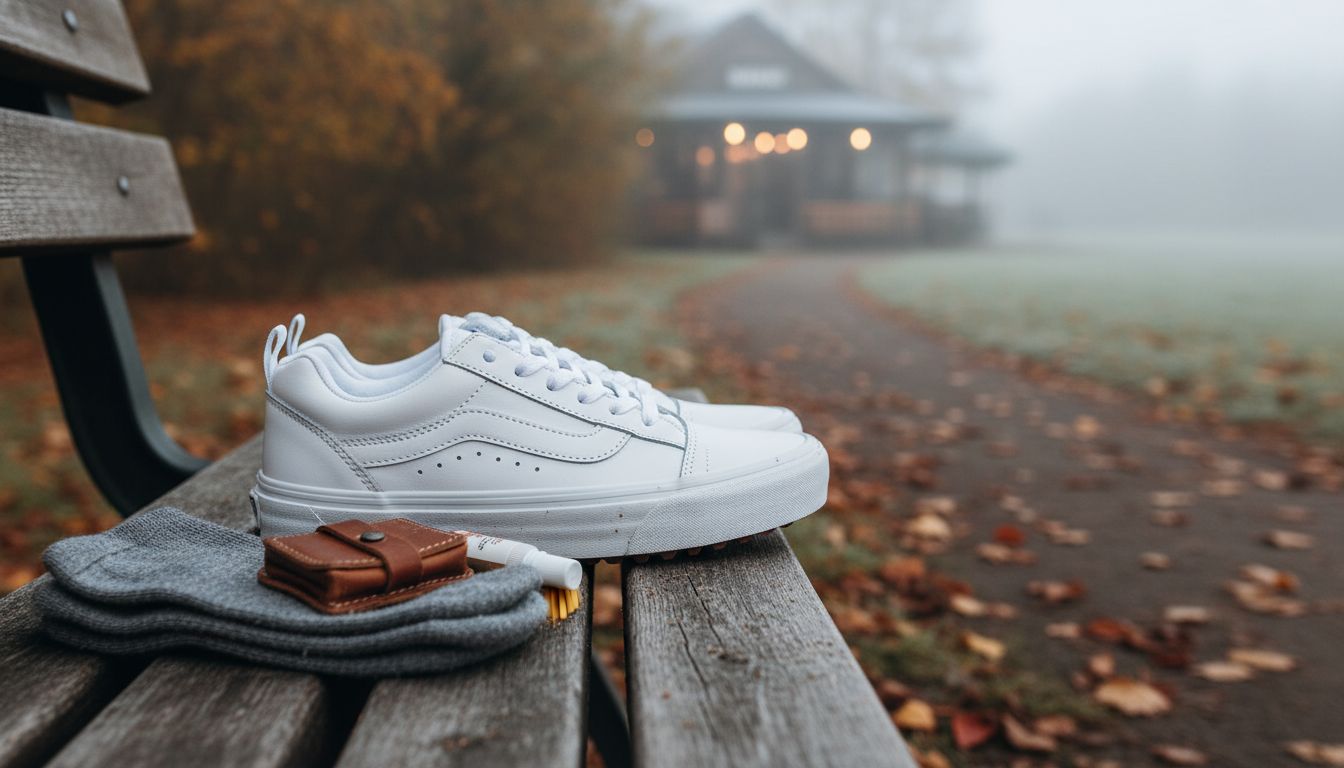
Vans Men’s White Leather Shoes for Fall and Winter: Comfort, Grip, and Clean Style
White leather Vans can work surprisingly well in colder months when the build, traction, and care routine match the weather. Leather tends to feel less drafty than canvas, it wipes down faster after messy commutes, and it keeps a crisp look that pairs easily with darker fall and winter layers. The key is treating white leather like an everyday essential: protect it up front, dry it correctly, and clean small marks before they become permanent. For more guidance, see The Bartender’s Guide to Taking Care of Your Feet, Part Two: Shoes.
Why leather makes sense when temperatures drop
When the air turns brisk, the upper material matters more than it does in summer. Leather is often a practical upgrade for shoulder season and mild winter days because it changes how the shoe feels and how it handles daily grime. For further reading, see Recommendation for shoes – InterNACHI®️ Forum.
- Less wind, fewer chills: Leather typically blocks wind better than canvas, so it can feel less drafty on morning walks or at the bus stop.
- Easier wipe-downs: A smoother leather upper is usually faster to clean after light rain, coffee splashes, or street grit.
- Better resistance with the right spray: With a leather-safe water and stain repellent, leather tends to resist water spots better than untreated fabric.
- Warmth without bulk: Pairing leather sneakers with thicker socks adds insulation without changing the low-profile silhouette that makes Vans easy to style.
If you’re prone to friction in new shoes, a smart break-in plan can help reduce blisters; the American Academy of Dermatology Association has practical blister prevention guidance here: How to prevent and treat blisters.
Vans Men’s White Leather Fall/Winter Shoes at a glance
For a clean, minimal sneaker that still feels season-appropriate, white leather is a strong option. This pair leans casual and classic, working with denim, joggers, and layered outerwear without looking out of place.
- Versatile look: A clean white leather upper pairs well with darker fall palettes and winter neutrals.
- Everyday wear: A low-profile shape fits commuting, campus days, and weekend errands.
- Simple upgrades help in wet weather: Add water-repellent spray and use a grippier lacing pattern on damp days.
Quick specs and purchase details
| Detail | What to expect |
|---|---|
| Model | Vans Men’s White Leather Fall/Winter Shoes |
| Price | $52.01 |
| Availability | In stock |
| Color | White |
| Upper material | Leather |
Comfort and fit tips for colder weather
Cold-weather comfort isn’t only about warmth—it’s also about fit changes caused by thicker socks and longer wear days. A few small adjustments can keep white leather sneakers feeling stable and comfortable on the move.
- Socks change fit: Medium-thick socks can reduce heel slip but may require a half-size change depending on foot volume and toe-box space.
- Plan a break-in: Leather often softens with wear. Start with shorter outings so any pressure points show up early, when they’re easiest to address.
- Consider a thin insole: If long walks are common, a low-profile insole can add support without crowding the forefoot.
- Lock the heel: A heel-lock (runner’s loop) lacing style can improve hold if the shoe feels loose when walking on damp pavement.
Traction and weather readiness
Leather sneakers can handle fall drizzle and cold sidewalks, but it’s best to think in terms of “weather-ready” rather than “waterproof.” Focus on traction underfoot and prevention on the upper.
- Prioritize grip: If sidewalks are slick, slow down on painted crosswalks and smooth stone, and keep the outsole clean of packed grime that can reduce traction.
- Avoid deep slush and puddles: Protected leather handles splashes better than untreated fabric, but saturation can still cause stiffness, staining, or misshaping.
- Dry naturally: Let shoes dry at room temperature. Direct heat can dry out leather and lead to cracking.
For safety, avoid drying footwear near combustion heaters or in enclosed spaces with fuel-burning devices; the CDC’s prevention guidance is a useful reminder for cold-weather routines: Carbon Monoxide Poisoning Prevention.
Keeping white leather clean through fall and winter
White leather looks best when you treat it like a jacket: protect it before the season, then do quick maintenance after rough days. The goal is to prevent water spots and salt lines from setting.
If sustainability matters when comparing leather options, the Leather Working Group is a widely recognized resource related to responsible leather manufacturing standards.
Outfit ideas that suit the season
When to choose leather Vans vs. boots
If winter forecasts are unpredictable, it’s handy to have a boot option ready to go alongside sneakers like Vans Men’s White Leather Fall/Winter Shoes. For stormier days and deeper slush, a sturdier alternative like Dr. Martens Women’s Black Boots can make sense when you need more coverage and weather protection.
FAQ
Are white leather Vans good for winter?
They can work well for cool, mostly dry winter days and city wear, especially when treated with a water- and stain-repellent spray. Avoid deep slush and puddles, and rotate with boots during storms for better protection and traction.
How do you protect white leather shoes from rain and salt?
Use a leather-safe water/stain repellent before wearing, wipe the shoes down after wet outings, and clean salt marks promptly with a slightly damp cloth. Once dry, a light leather conditioner can help prevent the surface from drying out.
Do leather Vans stretch over time?
Leather typically softens and can give slightly with wear, especially across the forefoot. A short break-in period helps, and sock thickness can affect fit—if you’re between sizes, plan around how you’ll wear them in colder weather.
















Leave a comment